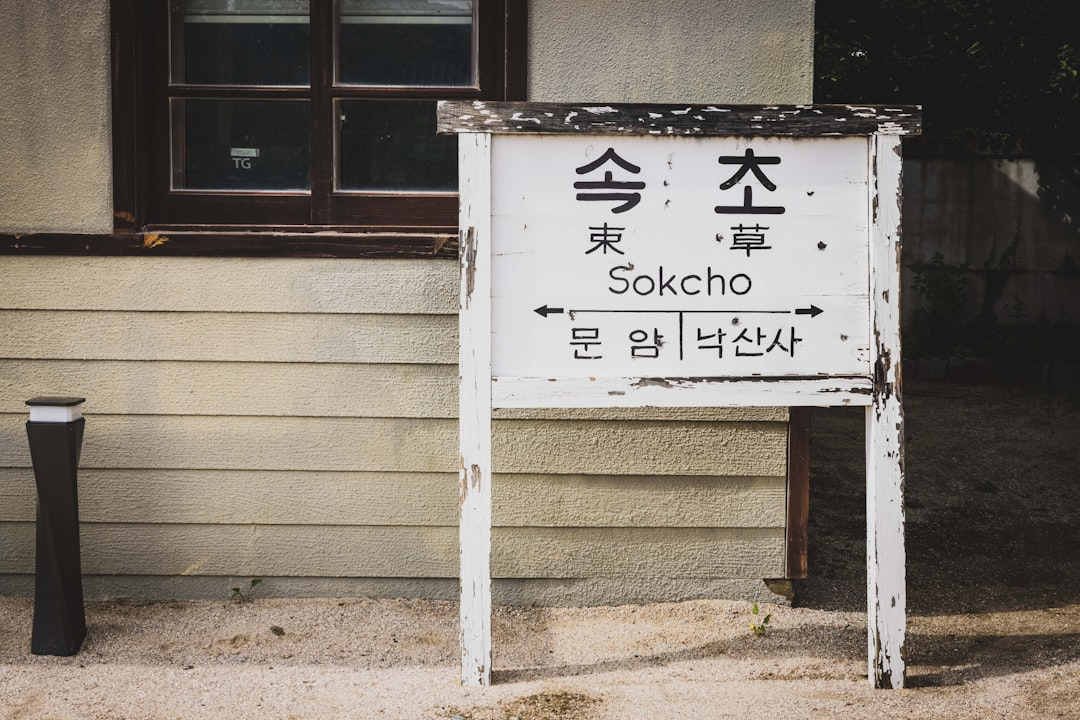
Day 1: Arriving in Sokcho and Exploring the Harbor
Getting There and Settling In
Sokcho is a coastal city on South Korea’s east coast, roughly 210km from Seoul. The most direct route is taking an Express Bus from Seoul’s Dong-Seoul Terminal (동서울터미널). The journey takes about 3.5 to 4 hours and costs 24,000 KRW. Buses depart every 20-30 minutes throughout the day. When you arrive at Sokcho Bus Terminal, you’ll find taxis readily available—a ride to most hotels in the city center costs 8,000-12,000 KRW.
For accommodation, budget around 60,000-120,000 KRW per night for mid-range hotels. The Sokcho Harbor area offers convenient locations, though rooms fill quickly during summer weekends (June-August) and autumn foliage season (September-October).
Fresh Seafood at Sokcho Fish Market
Head to Sokcho Central Fish Market (속초중앙시장) in the afternoon. It’s open daily from 6 AM to 5 PM, though the best selection appears before 10 AM. The market is a working fishery hub, not a tourist attraction, which means the seafood is genuinely fresh and prices are lower than restaurants. Expect to pay 15,000-25,000 KRW for high-quality raw fish (회). Don’t miss the snow crab (대게) if it’s in season—typically November through February—though prices jump to 40,000-80,000 KRW per portion.
A practical tip most guides omit: bring cash. Many vendors don’t accept cards, and the market’s ATM often runs out of cash during peak hours. Also, if you’re uncomfortable selecting raw fish yourself, the market has several adjacent restaurants where you can point to what you want and they’ll prepare it.
Evening Walk Along Sokcho Beach
Spend your evening strolling Sokcho Beach (속초해변). It’s free to access and offers a relaxed atmosphere as the sun sets. The beach isn’t ideal for swimming (the water is cold even in summer), but it’s excellent for walking and people-watching. Several casual cafes line the promenade where you can grab coffee (4,000-6,000 KRW) and watch fishermen preparing boats for night fishing.
Day 2: Seoraksan National Park Hiking Adventure
Planning Your Hike and Entry
Seoraksan National Park is 20km west of Sokcho and is one of Korea’s most visited mountains. The park entrance fee is 3,800 KRW. Several hiking trails exist here; for a full day, the Ulsanbawi Ridge Trail is popular but challenging, taking 4-5 hours for experienced hikers. For a moderate option, try the Biryong Waterfall Trail (비룡폭포), which takes 2-3 hours and costs nothing beyond the entrance fee.
Getting there requires either a taxi (25,000-35,000 KRW from central Sokcho) or a local bus. Bus 7 departs from outside Sokcho Terminal and reaches the park entrance in about 40 minutes for 2,000 KRW. Buses run every 30-40 minutes from 6:30 AM to 6 PM.
What to Bring and Realistic Expectations
Here’s what most travel guides gloss over: Seoraksan is extremely crowded during peak season. Weekends in September and October see thousands of visitors. Trails can feel more like busy pedestrian pathways than mountain experiences. Go on a weekday if possible, or start very early (6 AM) to beat crowds.
Essential items: sturdy hiking boots (the trails are rocky and can be slippery), 2+ liters of water, sunscreen, and a light jacket even in summer—the temperature drops significantly at higher elevations. There are convenience stores (GS25, CU) near the park entrance where you can purchase water bottles (2,000-3,000 KRW) and snacks, but prices are marked up 30-50% compared to the city.
Post-Hike Recovery
After hiking, your legs will appreciate a visit to one of the area’s outdoor public bath facilities (노천탕) or a proper Korean jjimjilbang (찜질방—a bathhouse with saunas). The Sokcho area has several; expect to pay 8,000-12,000 KRW for entry and an additional 3,000-5,000 KRW if you want to use a private room. This isn’t a luxury experience, but it’s effective for sore muscles. Many facilities serve simple meals (ramyeon, kimbap) for 5,000-8,000 KRW.
Day 3: East Coast Beaches and Coastal Drives
Naksan Beach and Nearby Spots
On your final day, explore the less-crowded beaches along the east coast. Naksan Beach (낙산해변) is 12km north of Sokcho and accessible by bus (bus 7-1, 20 minutes, 2,050 KRW). This beach is quieter than Sokcho’s main beach and features interesting rock formations. Nearby, you can visit Naksan Temple (낙산사), perched on a coastal cliff, with a 3,000 KRW entrance fee. The temple complex is small but offers clear views of the coastline.
Further along the coast is Jeongdongjin Beach (정동진해변), famous for its small train station café overlooking the water. Getting there requires a taxi (20,000-25,000 KRW from Sokcho) or combining buses. The café charges 5,000-8,000 KRW for drinks, and you can sit for as long as you want watching the ocean.
Local Seafood Lunch and Shopping
Stop at a coastal restaurant for lunch. Most establishments near the beaches serve grilled fish or spicy seafood soups (매운탕) for 12,000-18,000 KRW per person. Quality varies significantly—ask locals or check recent Google reviews written by Korean visitors for more reliable recommendations than tourist guidebooks.
Before leaving Sokcho, visit the Sokcho Traditional Market (속초관광수산시장) for souvenirs. Dried squid (오징어), seaweed (김), and various seafood snacks are genuinely good takeaways. Prices are reasonable: 8,000-15,000 KRW for quality dried seafood packages.
Departure Logistics
Express buses back to Seoul depart every 15-20 minutes from Sokcho Terminal from 6 AM to 8 PM. The return journey costs the same as arrival (24,000 KRW) and takes 3.5-4 hours depending on traffic, which can be heavy on Sunday evenings. Book your ticket at least 30 minutes before departure, especially on weekends.
Practical Tips for Your Visit
Weather and Packing Considerations
Sokcho’s weather changes rapidly. Even in summer, sea breezes make it cooler than inland areas. Layer your clothing. Bring rain gear year-round—the east coast receives more precipitation than Seoul. In winter (December-February), roads can be icy near Seoraksan, making hiking challenging.
Money and Communication
Most restaurants and shops accept card payments, but smaller vendors and markets prefer cash. ATMs are plentiful throughout the city. Download a Korean translation app—English signage is limited outside central Sokcho. A local SIM card or mobile hotspot is useful for navigation; rental costs 10,000-15,000 KRW daily from the airport.
Honest Notes About Sokcho