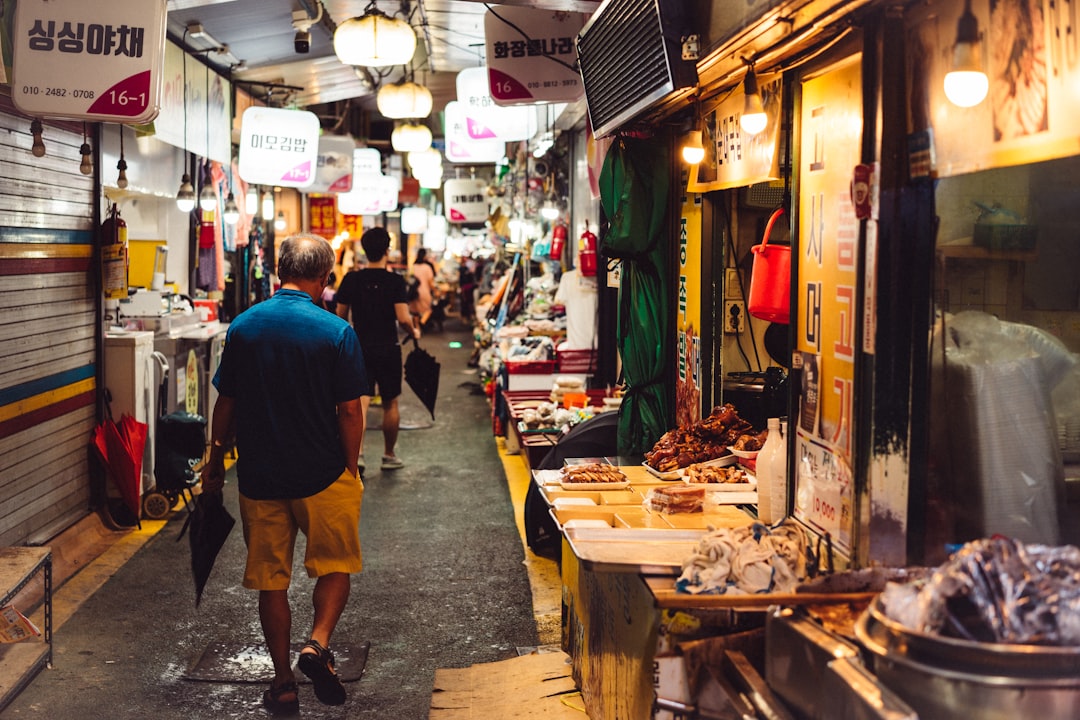
Opening
Look, I’ve made this trip from Seoul more than a few times, and honestly? It depends on what kind of person you are. If you’re the type who gets excited about pottery and traditional crafts, Cheongju Craft Museum is legitimately worth a few hours. But if you’re exhausted from city life and need to actually relax, Suanbo Hot Springs will do that for you in a way museums can’t. The real issue is that most people try to do both in one day, which is a mistake I made once and won’t repeat.
Getting There
From Daejeon (Your Starting Point)
Both places are basically equidistant from Daejeon, about 30-40 minutes depending on traffic. For the Cheongju Craft Museum, take bus 101 or 102 from Daejeon Bus Terminal directly to Cheongju — costs 3,000 KRW, takes about 50 minutes on a good day. You’ll get off at the terminal, then grab a local taxi or bus toward the museum (another 15 minutes, 1,500 KRW). For Suanbo, grab an intercity bus from the same terminal heading to Suanbo (3,500 KRW, about 45 minutes).
From Seoul
If you’re coming straight from Seoul, take the Gyeongbu Line KTX to Daejeon Station (50 minutes, around 12,000 KRW). From there, the buses I mentioned above work fine. Most guides will tell you to take Line 1 subway all the way — don’t. The subway is slower and you’ll still need a bus at the end. Just bite the bullet and take the intercity bus. Total time from Seoul: about 2.5 hours if you time it right, 3.5 if you don’t.
Cheongju Craft Museum
What You’re Actually Walking Into
This place is pretty small, to be honest. It’s focused specifically on Korean crafts — pottery, hanji (traditional paper), metalwork, that kind of thing. The main building has four floors, but you’re not going to need more than 2-3 hours here unless you’re genuinely obsessed. The permanent collection rotates occasionally, and they do host traveling exhibitions, so check their website before you go.
Practical Details
Hours are 9 AM to 6 PM, closed Mondays. Entry is 4,000 KRW. It’s never crowded — and I mean never. I’ve been there on weekends and seen maybe 20 people the entire time. The best time to visit is actually mid-week in the afternoon around 2-3 PM, when most Korean school groups have already moved on to somewhere else.
The ground floor has the most visually interesting stuff — pottery from different periods, some pieces are genuinely beautiful. Second floor has the hanji exhibition, which is less exciting unless you’re really into paper. Third floor usually has some temporary exhibition space. The fourth floor has a small café that makes decent coffee for 3,500 KRW, and honestly, it’s worth sitting up there for a bit just to decompress.
The Honest Part
Here’s what disappointed me: the audio guides are only in Korean and English, and the English translations are sometimes weird or incomplete. If you don’t speak Korean, you’ll miss some context. The museum also doesn’t do a great job explaining *why* you should care about any of this. A lot of the pieces are historically significant, but without that context, you’re basically just looking at old stuff. Also, there’s almost no information about contemporary Korean craftspeople, which seems like a missed opportunity.
Suanbo Hot Springs
Why People Actually Go Here
Suanbo is a small hot springs town about 40 minutes from Daejeon. The water temperature hovers around 55-60°C depending on which bath you’re in. It’s used for soaking, and there’s legitimate reasons — the water contains minerals like radon that people claim have health benefits. I can’t speak to the science, but I can tell you that soaking for an hour actually does make your muscles feel better, especially if you’ve been traveling.
Where to Actually Soak
There are dozens of small baths in Suanbo, mostly attached to small hotels. The big one that tourists always go to is Suanbo Grand Hotel’s spa facility — 15,000 KRW for a 3-hour pass. It’s clean, well-maintained, and they have both indoor and outdoor baths. The outdoor bath in winter is actually pretty nice, though it gets crowded between 6-8 PM.
My recommendation: skip the Grand Hotel and go to one of the smaller local baths near the town center. Most charge 8,000-10,000 KRW and are quieter. I usually go to Daesung Spa (8,500 KRW) — it’s older, less shiny, but actually feels more like a place locals go rather than a tourist trap. Bring your own toiletries or buy them there for markup prices.
Time of Day Matters
Go early in the morning, like 7-8 AM, if you want an actual relaxing experience. By evening, it gets packed with older Korean men, which is fine, but not what most Western travelers expect. Weekday mornings are essentially empty.
Where to Eat
In Cheongju
There’s not much around the museum itself. Walk about 10 minutes toward the main street and you’ll find normal Korean restaurants. Nothing special, but functional. Expect 8,000-12,000 KRW for a basic meal. The café inside the museum is probably your best bet if you don’t want to leave.
In Suanbo
Suanbo has a whole street of restaurants catering to health-conscious visitors. Most serve *yaksik* (medicinal food) or light, healthy Korean meals. There’s a place called Suanbo Jjimjilbang that serves decent bibimbap for 10,000 KRW. If you’re there in winter, find a restaurant serving *samgyetang* (ginseng chicken soup) — it goes for 15,000-20,000 KRW and feels right after soaking in hot water.
Honest Take
Go to Cheongju if you genuinely care about Korean crafts or you have spare afternoon time and want a quieter cultural activity. Skip it if you’re on a tight schedule or museums feel like work to you. Suanbo is for people who need to actually relax — if that’s you after a hectic few days in Seoul, book a bath and stay for a few hours. The best time to visit either place is off-season (September-October or March-April) when weather’s nice and crowds are minimal. One thing I wish I’d known: don’t try to do both in one day. Pick one. You’ll actually enjoy whichever you choose instead of rushing between them.