Opening
Look, if you’re in Daegu for more than a day, you’re probably wondering whether to head to Gumi for the industrial stuff or escape to Yeongchuk for riverside peace. I’ve done both multiple times, and honestly? They’re solving completely different problems. Gumi works if you’re into manufacturing history or want something genuinely different from Seoul’s tourist circuit. Yeongchuk is the move if you just want to sit by water, eat fresh river food, and not think too hard about logistics. I’ll break down which one actually makes sense for you.
Getting There
Gumi Industrial Heritage
From Daegu, take Line 1 subway toward Beomeo and transfer at Chilseong to the Gumi Line. The train hits Gumi station in about 50 minutes. Cost is around 3,400 KRW. From Seoul, it’s roughly 2.5 hours via KTX to Gumi station (around 35,000 KRW), then a taxi or local bus.
Here’s what most guides miss: the industrial sites aren’t actually clustered near Gumi station like you’d expect. You’ll need either a rental car or to take local buses (like routes 41 or 50) to reach the actual heritage zones. I wasted an hour my first time thinking I could walk it. Get a taxi instead—it’s only about 7,000-10,000 KRW to the main areas and saves serious frustration.
Yeongchuk Riverside Villages
This one’s trickier. You’re looking at a bus from Daegu—not a direct train option. Take express bus 700 from Daegu Bus Terminal to Yeongchuk (about 70 minutes, 8,900 KRW). It’s slower than Gumi but actually way more peaceful because fewer tourists know about it. Some local buses leave from Chilseong station too, but they’re infrequent.
What to Do / See
Gumi Industrial Heritage Sites
The main draw is the old factories and production lines from the 1970s-80s when Gumi was basically South Korea’s industrial engine. The Gumi Industrial History Museum (open 10 AM to 6 PM, closed Mondays) has actual machinery displays and costs 4,000 KRW entry. It’s small—maybe 45 minutes inside—but genuinely interesting if you care about how Korea industrialized so fast.
The real experience is touring the remaining textile and electronics factories. Some still operate or have been converted into arts spaces. When I visited last year, there was a photography exhibition in an old spinning mill on the east side of town. No fixed hours, honestly—you have to ask locals or check Korean tourism websites closer to your trip. The vibe is authentically industrial, not sanitized for tourists, which I actually appreciated.
That said, the disappointment: don’t expect dramatic architecture or Instagram moments. These are concrete boxes. The town itself feels economically stalled—there’s a faint sadness to it. If you’re hoping for renovated heritage districts with trendy cafes, you’ll be let down. This is more about understanding Korean history than enjoying a picturesque day out.
Yeongchuk Riverside Villages
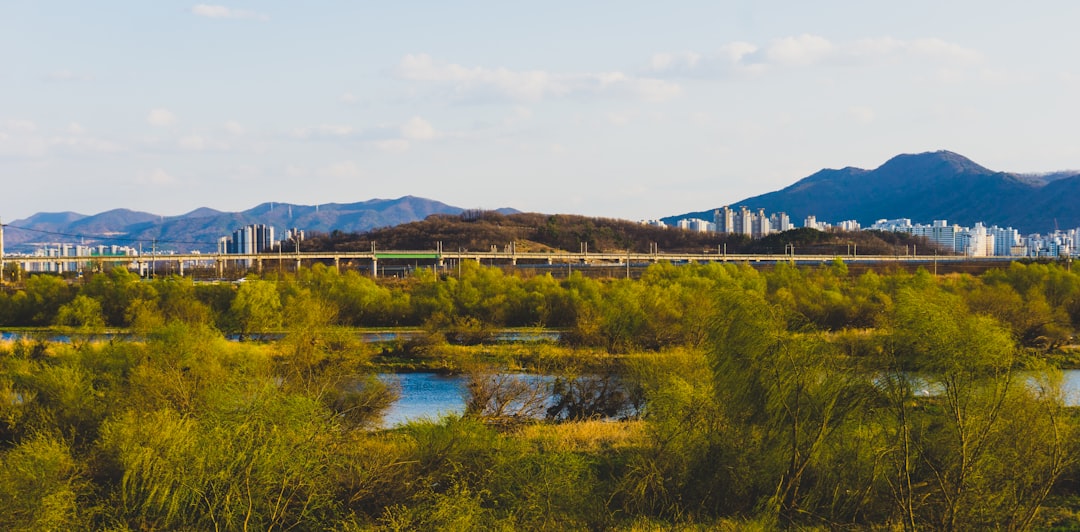
Yeongchuk’s the complete opposite vibe. The main street runs along the Nakdong River, and the villages are basically intact fishing communities. You walk through narrow lanes where locals actually live—not tourist zones. There are small restaurants (mostly seasonal, closing around 8 PM), riverside parks, and paths for walking or biking along the water.
The villages don’t have major “attractions” in the traditional sense. The appeal is the atmosphere. Older women sit outside their homes shelling beans. Cats sleep in doorways. Fresh-caught river fish is served at random little spots. I visited in September and October, and both times it felt like I’d accidentally found something real rather than visited something designed for visitors.
There’s a small riverside park near the bus stop with benches and decent views. The walk to neighboring villages takes 20-30 minutes along the water. Bring comfortable shoes and don’t expect English signs or explanations. Part of the charm is figuring it out yourself.
Where to Eat / Practical Tips
Gumi
Food’s functional here. Near Gumi station, there’s a standard lunch spot called Mapo Galbi (around 15,000 KRW for a meal). Honestly, eat near the station rather than hunting around the industrial zones. The neighborhoods aren’t designed for visitors.
Yeongchuk
This is where food actually matters. Order grilled river fish (민물고기 구이) at any of the small restaurants—usually 20,000-30,000 KRW per person. The perch (쏘가리) is particularly good. Ask locals which restaurant has fresh catch that day. I sat at a place with no English menu, just pointed at what other customers were eating, and got probably the best meal I’ve had on a day trip.
Pro tip that most guides don’t mention: bring cash. Some smaller Yeongchuk restaurants don’t take cards. Also, visit midweek if possible. Weekends get crowded with Korean hikers and photographers, which defeats the purpose of going for the quiet riverside experience.
Honest Take
Go to Gumi if you’re historically minded, interested in industrial development, or want something genuinely unusual. It’s not crowded, it’s not polished, and it’s different from what most Western travelers do in Korea. You’ll probably spend 4-5 hours there total and be satisfied but not blown away. Skip it if you’re on a tight schedule or exhausted—it’s not essential.
Go to Yeongchuk if you want a slower day and actually enjoy just being somewhere without an agenda. Bring a book. Walk the river. Talk to no one if you don’t want to. It’s more valuable as a mental break than as a checklist item. The best time to visit either place is September through November—good weather, fewer crowds than summer, and everything’s still operational. One thing I wish I’d known earlier: don’t try to do both in one day. They’re in opposite directions from Daegu, and you’ll waste half your time on transportation. Pick one and commit to it.