Why Jeonju Actually Deserves Your Time (Or Maybe Doesn’t)
Jeonju is worth 2 days if you’re into food, traditional architecture, and want to escape Seoul without flying somewhere. The Hanok Village is genuinely nice—I’ve been four times and still find new corners—and the local food scene is legitimately good, not just Instagram-bait. But let’s be honest: it’s not going to blow your mind if you’re expecting something wildly different from the rest of Korea. It’s a solid mid-tier city with real character, decent restaurants, and enough to keep you occupied without feeling rushed.
Getting There from Seoul
By Train (Best Option)
Take the KTX from Seoul Station or Yongsan Station. Journey time is 2 hours 10 minutes to Jeonju Station. One-way ticket costs around 29,000–33,000 KRW depending on what time you go. The KTX is faster and more comfortable than the bus, and you’ll actually see the countryside instead of sitting in traffic.
From Jeonju Station, take a taxi to your accommodation (around 8,000–12,000 KRW depending on where you’re staying). Don’t bother with buses unless you’re broke—taxis are cheap enough and way less confusing when you’ve got luggage.
By Bus
Intercity buses run from Seoul’s Express Bus Terminal. Takes about 3 hours, costs 18,000–22,000 KRW. It’s cheaper but slower, and honestly, after 3 hours on a bus I’m in a worse mood than after a train. Skip this unless you’re traveling on a shoestring budget.
The Thing Guides Miss
Most travel sites tell you to rent a car in Jeonju or get around by taxi. Wrong. Jeonju has a decent bus system (T-money card works fine), and honestly, you don’t need a car for 2 days. Plus, parking is annoying and driving between Hanok Village and restaurants isn’t worth the hassle. Walking and the occasional taxi is your move.
What to Do and See
Jeonju Hanok Village (전주 한옥마을)
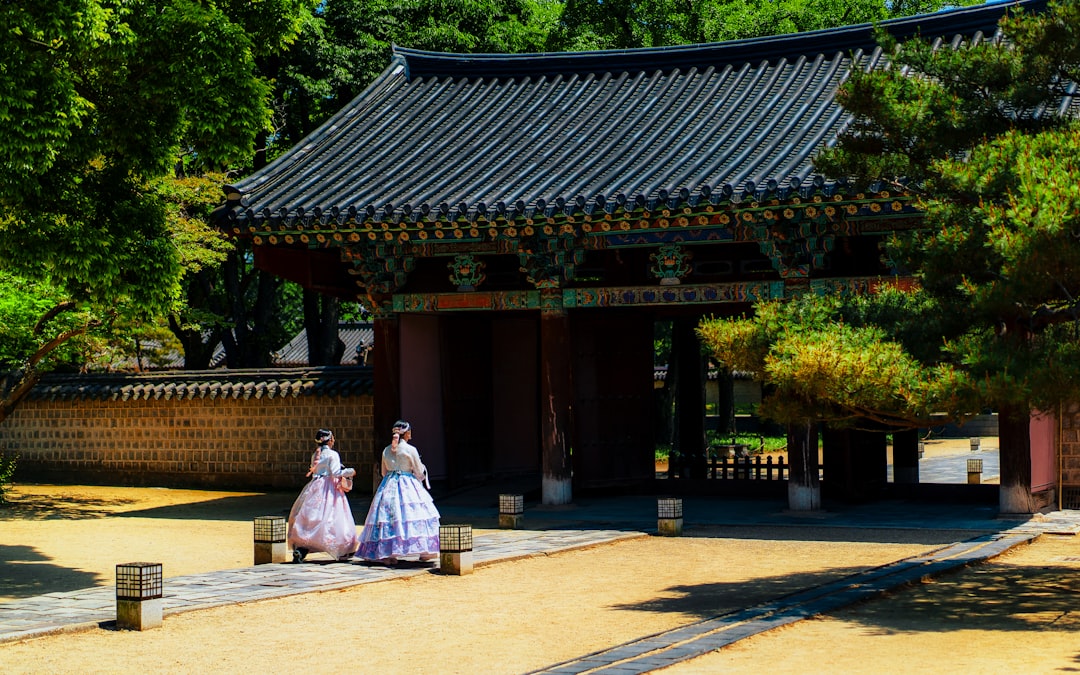
This is the main reason people come. It’s a restored neighborhood of traditional Korean wooden houses with low-pitched tile roofs. No entry fee—you just walk around. The village is roughly 4 blocks by 5 blocks, so expect 2–3 hours if you’re actually exploring instead of just taking photos.
Best time to visit: Before 9 AM on a weekday, or after 5 PM any day. Mid-morning on weekends is a zoo. I went once at noon on a Saturday and genuinely couldn’t move through the main street without bumping into 50 other tourists every 10 seconds. Morning visits hit different—you get the actual village instead of a human traffic jam.
Once you’re inside, wander the narrow alleys. Most of the actual residents have left, so you’re looking at shops, cafes, and restaurants now. Some of it feels a bit commercialized—there’s a lot of Instagram-bait cafes and overpriced tourist shops. But if you venture away from the main drag, you’ll find quieter spots with real character.
Gyeonggi Museum of Ceramics
Located inside the village. Entry is 5,000 KRW. Open 10 AM–6 PM (closed Mondays). It’s small, honestly, and I’d only recommend it if you’re genuinely interested in pottery. Most tourists skip it, and most tourists are right to skip it. It’s not bad, just not essential for 2 days.
Korea Traditional Culture Center
They offer hands-on classes: calligraphy, hanji (traditional paper) making, Korean painting. Classes usually run 30,000–50,000 KRW and take 1–2 hours. I did the hanji class once and it was genuinely fun, though the instruction was basic. Book ahead if you want to guarantee a spot.
Jeonju National Museum
Outside the Hanok Village proper, near Omokdae Pavilion. Free entry. Good if you have spare time, but it’s not a must-see. I’ve been twice and neither time felt essential. It’s a solid regional museum but nothing that’ll make your trip.
Omokdae Pavilion (오목대)
Walk up the hill from the Hanok Village’s eastern edge. You get a decent view of the city and old fortress walls. Takes 20 minutes. No fee, no crowds up there usually. On clear days, the view is actually nice.
Where to Eat and Practical Tips
Jeonju Bibimbap
Jeonju is famous for this. It’s a rice bowl mixed with vegetables, egg, and gochujang. Way better than the versions you get in Seoul, I’m not exaggerating. The rice is cooked in stone bowls (dolsot), which keeps it warm and gives it a crispy bottom.
Go to Jeonju Okgochu (전주옥고추) in the village. It’s been around forever, the portions are generous, and at 8,000–10,000 KRW it’s good value. Lunch rush is 12–1 PM, so go early or after 1:30.
Korean BBQ
Hit Hanwoo Maeul (한우마을) for decent galbi and bulgogi. Prices are 35,000–45,000 KRW per serving for beef, which is reasonable. The meat quality is solid. Go for dinner when they’re less rushed. In my experience, lunch service can be hit-or-miss on quality.
Street Food and Cafes
The main village has endless crop of cafes and snack spots. Most of it is decent enough. Hodugwaja (호두과자—walnut cakes) and hotteok (sweet pancakes) are everywhere and cost 2,000–4,000 KRW. They’re good filler between meals.
Local Tip: Jeonju Sound Town
Not actually food, but worth mentioning. It’s a recording studio and performance space tucked away near the village. Live music most weekends. I went once randomly and caught a local indie band doing an acoustic set. Free entry, just buy a drink. This is the kind of thing that doesn’t show up in guides but locals know about.
Coffee Culture
Jeonju has a serious coffee scene. Third-wave cafes everywhere. Coffee costs 6,000–9,000 KRW typically. If you’re a coffee person, this is actually worth noting—the quality is genuinely good. I’d say the coffee culture here rivals Seoul’s, just quieter.
Honest Take
Go to Jeonju if you want a 2-day break from Seoul that feels different but not too different. It’s good for couples, good for foodies, good for people who just want a slower pace for a weekend. Skip it if you want something “authentically untouched”—the Hanok Village is beautiful but it’s also a tourist destination now, which is fine, just know what you’re getting. Best time is September–October when the weather’s perfect and it’s not sweltering. One thing I wish I’d known: stay near the village itself, not downtown. The area around the station is dead, and you’ll waste time commuting. Also, one full day in Hanok Village is enough—spend your second day exploring outside the village or just relaxing. Jeonju’s good, but it’s not so massive that you need two full days of sightseeing.