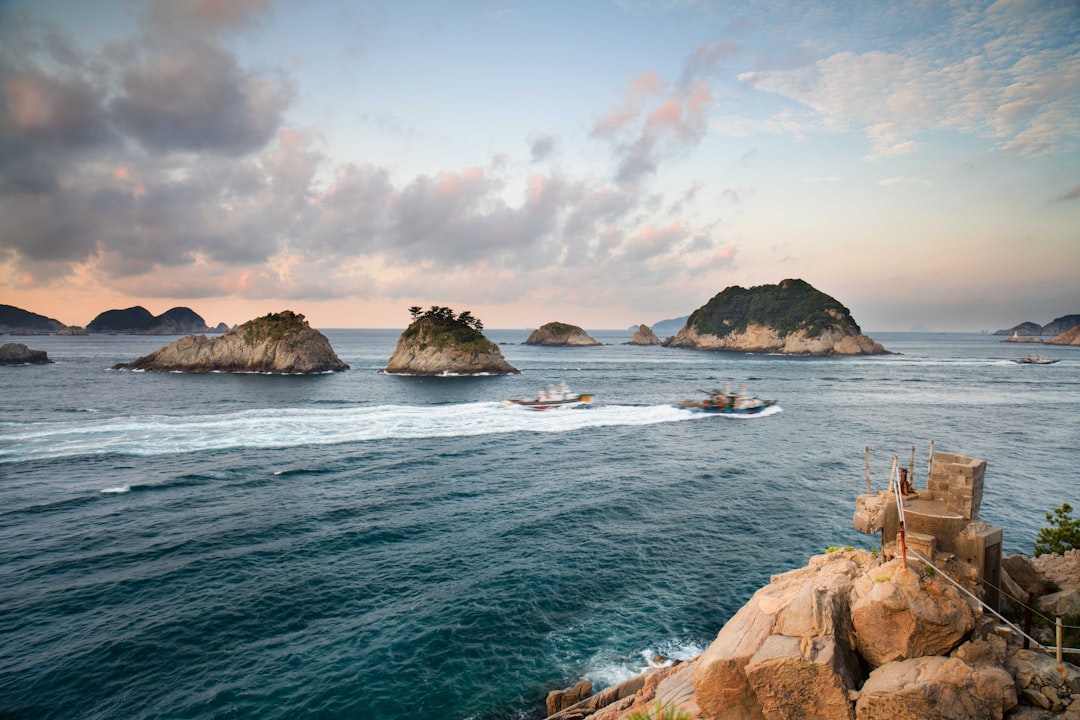
Why Geoje Island at All?
Geoje is the kind of place you visit when you want to see how normal Koreans actually live, not how Instagram travel accounts say they live. I’ve been here maybe six times over four years, and it’s genuinely different from Jeju—smaller, less developed, cheaper, and you’re not fighting crowds for every photo. The seafood is honestly better here because locals actually eat it, and the beaches are quiet enough that you can hear yourself think. That said, it’s not a destination that’ll blow your mind. You come here for slowness, not excitement.
Getting There
From Seoul, you have two main routes. The express bus from Gangnam Express Bus Terminal (Kangnam-gu) costs 24,000 KRW and takes about 4 hours 20 minutes. I usually take this because you leave in late morning and arrive mid-afternoon. The train is slower (around 5 hours) and more complicated with connections, so skip it unless you enjoy sitting on trains.
Once you’re at Geoje Bus Terminal, you need to get around. Rent a car if you can drive—this is the real move. Rental prices start around 40,000 KRW per day at local agencies near the terminal. Without a car, you’re dependent on local buses, which run less frequently than you’d expect and don’t always go where tourists want to go. I see a lot of guides online saying “taxis are cheap”—they’re not wrong, but you’ll spend 80,000-120,000 KRW easily in a day bouncing between spots. One thing most guides miss: the bus system here doesn’t connect beaches the way you’d hope. The 101 bus goes along the coast but it’s slow, and if you miss it, the next one could be 45 minutes later.
What to Do / See
Beaches
Mongdol Beach (몽돌해변) is the famous one and honestly, it’s worth seeing once. The pebbles are smooth, the water’s clear, and it’s photogenic. But go early. I showed up at 10 AM in July once and it was already crowded. By noon, you’re fighting for space. Best time is 7-8 AM or after 5 PM when the light is better anyway. No entry fee. The water’s cold even in summer (around 22-23°C in July), so bring a wetsuit or accept that you’ll be cold.
Hakdong Beach (학동몽돌해변) is ten minutes away and way quieter. Same pebble setup, same water temperature, fewer people. If I’m honest, I prefer it. No facilities though, so bring water and snacks. I’ve never seen it crowded, even in peak season.
Daepohang Beach is technically a fishing village beach, not a “beach” resort. It’s small, rocky, and locals use it. There’s a fish market right there. Go in the early morning around 6-7 AM and you’ll see fishermen and actual village life. It’s not beautiful, but it’s real. This is my favorite spot on the island because it feels like an actual place, not a tourist attraction.
Okpo-Myeon District
This is where most of the island’s restaurants are clustered. The area has working shipyards (Geoje is a major shipbuilding hub—another thing most guides leave out), fish markets, and residential streets. Walk around. There’s no “attraction” here, but that’s kind of the point. You’ll find small restaurants, convenience stores, and you’ll actually see how the place functions. Entry is free everywhere because nothing’s cordoned off.
Windy Hill (윈디힐)
This is a café-park spot with ocean views. It’s pretty standard—coffee, Instagram-bait, 7,000-12,000 KRW per drink. Honestly, I’d skip it. The views aren’t special enough to justify the prices, and you can get similar views for free walking around almost anywhere on the coast. It gets touristy during weekends. The café closes at 7 PM, so don’t plan an evening visit.
Geoje Pottery Village
Small working pottery studios where you can watch artisans or take classes. Classes run 30,000-50,000 KRW for basic throwing. It’s genuinely low-key—no crowds, actual potters working. I did this once and it was relaxing, though I made a pretty terrible bowl. Most studios are open 9 AM-6 PM, but call ahead. Some close randomly on Wednesdays.
Where to Eat / Practical Tips
Seafood Restaurants
The raw fish (회) here is legitimately fresh because it’s caught that morning. Budget 12,000-25,000 KRW per person for a decent meal. Jjim (steamed fish) is cheaper—8,000-15,000 KRW. Go to places near the fishing docks, not in tourist zones. My go-to spot is a tiny place called Daepohang Hoetjip near Daepohang market. No English menu, no tourists usually, and they’re patient with pointing. A bowl of sea urchin costs 8,000 KRW and it’s the best I’ve had outside of a high-end Seoul restaurant.
Practical Tips
Bring cash. Many small restaurants and local shops don’t take cards reliably. There’s an ATM at the bus terminal and convenience stores everywhere (CU, GS25), but pulling cash out saves hassle. Summer brings crowds, especially weekends—if you can visit May-June or September-October, the weather’s perfect and it’s half as busy. July-August is hot and humid, and the island fills with Seoul families on vacation.
The island has one small hospital (Geoje Central Hospital) if you need medical attention. Most pharmacies have English-speaking staff or Google Translate works fine. Buses run until around 9 PM, so plan accordingly if you’re out late.
Honest Take
Go to Geoje if you want two days of actual quiet, good food, and no Instagram pressure. Skip it if you need activities, nightlife, or things to “do”—there aren’t many. Families and couples looking for a break work better here than solo travelers seeking adventure. Best time is late spring or early autumn when it’s cool and calm. One thing I wish I’d known: bring more cash than you think you’ll need and don’t overplan. The point of Geoje is wandering around, eating when you’re hungry, and sitting on rocks. Treat it like visiting a friend’s quiet hometown, not checking boxes on a tourist list. You’ll get way more out of it that way.