Opening
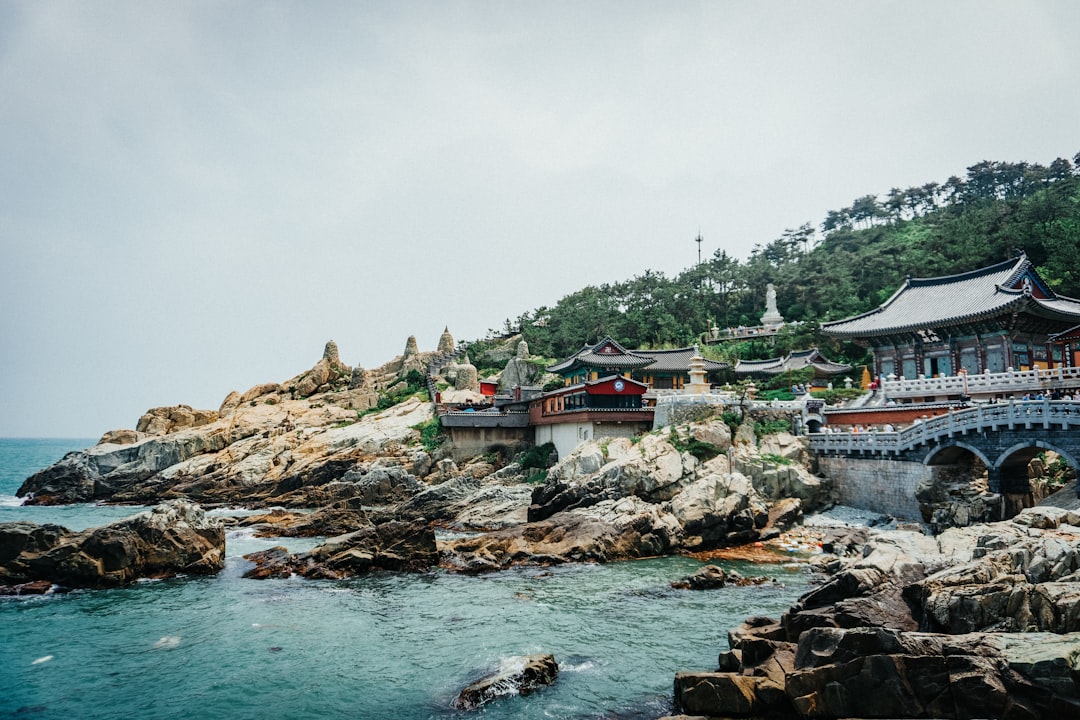
Namhae Island is worth the day trip if you’re craving actual coastal scenery without the tourist circus of Busan’s beaches. I’ve done this run maybe six times now, and it’s one of the few trips from the city that doesn’t feel like everyone and their grandma showed up. The villages scattered around the island still feel like real places where people actually live, not just Instagram backdrops—though that’s changing fast.
Getting There
From central Busan, you’ve got two realistic options. The faster route: take the metro to Nopo Station (Line 2), then catch an intercity bus directly to Namhae from the bus terminal next to the station. The ride takes about 90 minutes and costs 11,000 KRW. Buses run every 30-40 minutes throughout the day. The slower but more scenic option is the train from Busan Station to Namhae Station, which takes about 3 hours and costs 16,300 KRW, but honestly, I’d skip this unless you want to stare at industrial areas for an hour.
Here’s what most guides get wrong: they’ll tell you to rent a car, and sure, that gives you flexibility. But unless you’re staying overnight, you’re better off with the bus or taking local buses once you’re on the island. Parking at the popular spots fills up quickly, especially on weekends, and the island’s local bus system is actually decent and cheap—around 2,000 KRW per ride.
Once you arrive at the bus terminal in Namhae, grab a coffee and figure out your plan. The island is roughly 20 kilometers long, so you need to be strategic about which villages you hit. Most day trippers make the mistake of trying to see everything and end up stressed and hungry.
What to Do / See
Dongmok Village and Haesil Port
This is my starting point every single time. It’s the village that actually looks like what people imagine when they think “Korean coastal charm,” but it’s still relatively low-key. The narrow alleyways, old fishing houses, and small restaurants serving fresh seafood make it feel authentic. There’s no official entry fee. Go early—I mean 9 AM early—or after 4 PM if you want to avoid the daytrippers who clog the main street between 11 AM and 3 PM.
Walk down to Haesil Port itself. Free to explore. The fishing boats coming and going in the morning are genuinely interesting if you’re not someone who just wants to take five photos and leave. In my experience, this is where you get the best sense of what island life actually involves.
Sanho Fish Market
Skip this if you’re not genuinely interested in fresh seafood. Seriously. I went in expecting some charming local market experience, and instead I got overwhelmed by the smell and the aggressiveness of vendors trying to sell me raw fish. It’s operating but honestly feels more utilitarian than touristy. That said, if you know what you’re looking for and want to grab lunch here, the prices are genuinely cheap—you can get a massive bowl of fresh seafood for 15,000-20,000 KRW.
Dogil Village (Tower Hill)
This one’s worth the visit. There’s a small observation tower you can climb (1,500 KRW entry) that gives you a view of the entire island and the surrounding sea. It’s not the most impressive tower ever built, but the panorama is actually good. I went around 3 PM on a weekday and had the whole place to myself. On weekends, maybe 20-30 other people max. The village itself has a few small cafes and galleries, most of which charge way too much for coffee (6,000-8,000 KRW), but the views from the terraces are solid.
Sangju Cliff Walk
This is the one that always gets overrated in travel blogs. Yes, it’s scenic. No, it’s not life-changing. It’s a 1.5-kilometer wooden walkway built into a cliff with ocean views. Entry is free. It takes maybe 30 minutes to walk the whole thing, and it’s packed with tour groups in the afternoons. Go in the morning or skip it entirely if you just want to relax. When I went last October, there were literally three buses of Korean tourists unloading at the entrance at the exact same time. The actual experience was me standing behind a line of people taking selfies.
Where to Eat / Practical Tips
Head to any of the small restaurants clustered near Dongmok Port and order whatever the locals are eating. Fresh seafood jjigae (stew) runs 12,000-18,000 KRW for a massive pot. Don’t expect fancy—these are places where fishermen eat lunch. One spot I keep coming back to is an unmarked restaurant literally next to the fish market; order the grilled fish (생선 구이) and you’ll eat better than most tourist restaurants in Busan for half the price.
Practical stuff: bring cash. A lot of the small restaurants and shops don’t reliably accept cards. Bring water and sun protection—there’s not much shade on the cliffs or in the open village areas. The island gets genuinely hot in summer, and the sun reflects off the water like crazy.
Budget realistically: 50,000-70,000 KRW total per person for bus, lunch, and one or two entry fees if you’re being normal about it. You can do it cheaper if you just eat street food and skip the tower, or spend more if you want coffee and snacks everywhere.
Honest Take
Go to Namhae if you want an actual break from Busan’s crowded beaches and you don’t mind a slower pace. It’s good for a full day trip—not worth staying overnight in my opinion. Skip it if you’re only in Korea for three days or less; you’ll feel rushed. The best time to visit is September through November or March through May when the weather is perfect and the summer tour groups haven’t arrived yet. Winter is fine too but cold and occasionally grey. The one thing I wish I’d known earlier: the island’s much bigger than it looks on a map, so rent a scooter or plan your route carefully. I wasted an entire afternoon my first trip trying to walk between villages.