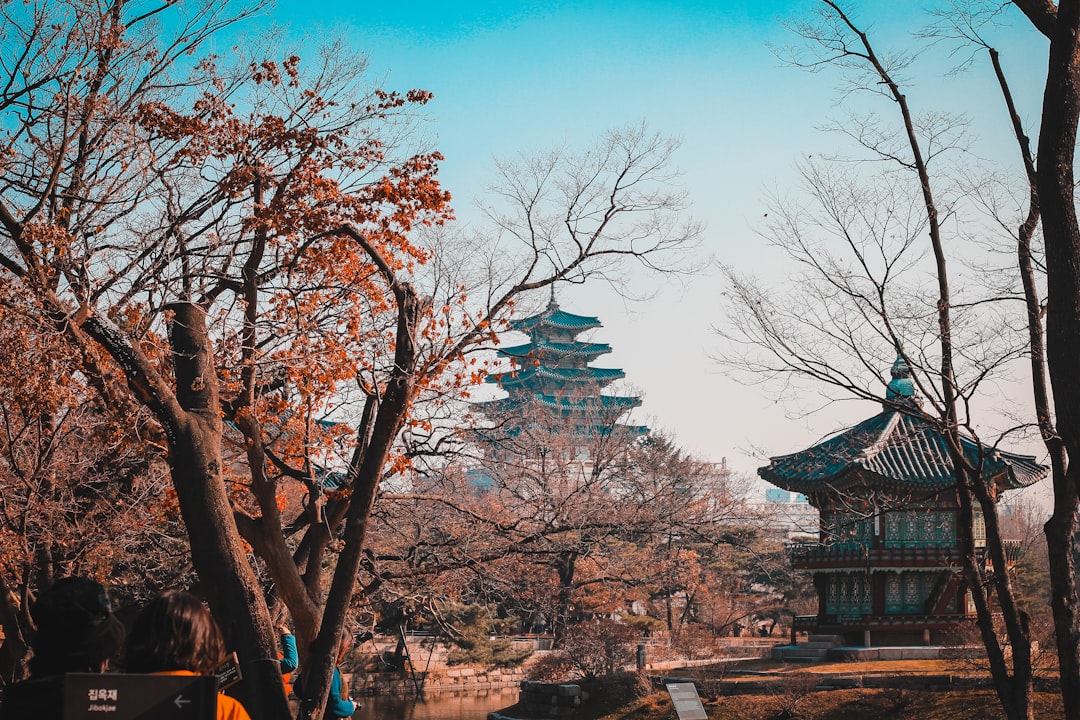
Opening
Korea’s fall is genuinely special—I’m not saying this lightly. The foliage hits different here, the festivals run from late September straight through November, and the food gets noticeably better. But here’s the honest part: if you visit during peak season (late October to early November), you’ll be shoulder-to-shoulder with crowds that make subway rush hour look peaceful. The experience is worth it if you go strategically. It’s not worth it if you hate planning ahead.
Getting There
Most people doing fall activities in Korea head to three zones: the mountains around Seoul (Seoraksan, Bukhansan), smaller peaks in Gangwon Province, and the riverside trails around Gapyeong. I’ll break down actual logistics.
Seoraksan National Park (Most Popular)
Take the subway to Cheongnyangni Station (Line 1) and hop on an intercity bus. The trip costs 12,500 KRW and takes 1 hour 50 minutes. Buses run every 20 minutes during fall. The park entrance fee is 3,800 KRW. When I went in 2023, I made the mistake of arriving at 10 AM on a Saturday. The parking lot was already full. Go on weekdays or before 8 AM if you’re serious about hiking without crowds. The actual hiking trail up Ulsanbawi takes about 1.5 hours one way.
Bukhansan National Park (Closer, More Crowded)
Line 3 to Gireum Station, then Bus 120 or 104 (both cost 1,450 KRW, 25 minutes). Entrance is 3,000 KRW. This is the park everyone recommends because it’s accessible. Skip it on weekends. The trails are narrow, and when I visited a Sunday in October, I literally could not move at certain points. Weekday mornings are your only real option here.
Gapyeong Rail Park & Surrounding Trails
Take Line 3 to Gangbyeon Station, then the Gyeongchun Line to Gapyeong (trains leave every 30-45 minutes). The ticket is 4,150 KRW and the ride takes 1 hour 10 minutes. This area is less crowded than the big mountains, and honestly, it’s where I spend most of my fall hiking time now. The small guesthouses and cafes around here feel less touristy.
What to Do / See
Seoraksan Autumn Route
The Ulsanbawi trail is the main draw. October 20–November 5 is when the colors peak, but these specific dates change yearly. The rocks are steep and exposed. If you’re not fit, this is not your hike. I watched someone try in street shoes last year and they turned back within 20 minutes. The viewing platforms halfway up are genuinely impressive—you can see across the whole valley. It opens at 6 AM, and I’d recommend getting there by 7 AM during peak season. By 11 AM, parking becomes impossible.
The Biryong Waterfall trail is easier (45 minutes) but more crowded. It’s pretty but not worth waiting in line for unless you have limited mobility and still want to see something worthwhile.
Seoraksan Outdoor Museum
Located near the park entrance, this place has sculptures and installations scattered through the forest. Entrance is 5,000 KRW. It’s honestly mid. I went because I’d hiked Ulsanbawi the day before and was tired. The sculptures aren’t remarkable, and the trails aren’t scenic compared to the actual hiking routes. Skip this unless you have young kids who need a break.
Gapyeong’s Petite France & Korean Folk Village
Petite France is a themed village mimicking European architecture. Entry is 14,000 KRW. It’s touristy, yes, but the backdrop for fall photos is legitimately good. Korean Folk Village is 8,000 KRW. Both are pleasant for 1-2 hours if you’re not hiking that day. Neither will blow your mind, but they’re solid options if weather turns bad or you want less strenuous activity.
Nami Island
Gapyeong’s big attraction. Entry is 13,000 KRW. The tree-lined paths are actually beautiful in fall. I’d visit in early November rather than late October when the colors aren’t quite there yet. Morning visit (8 AM arrival) is crucial. By noon it’s packed with tour groups. Plan 2-3 hours maximum. There’s decent food around the island, though pricey.
Where to Eat / Practical Tips
Near Seoraksan park, the restaurants cluster around the entrance. Most serve dakgangjeong (crispy fried chicken), jjim (steamed dishes), and mujeon (pancakes). Expect 12,000–18,000 KRW per main dish. The quality varies wildly. I usually eat before going to the park or pack a kimbap.
In Seoul, once the weather dips below 15°C (mid-to-late October), restaurants start featuring seasonal specialties. Myeon-nae (buckwheat noodles served cold) transitions to warm, hearty noodle soups. Chestnuts and sweet persimmons appear everywhere in October. Buy them at convenience stores—they’re cheap and genuinely seasonal in a way that matters.
One real tip locals don’t advertise: the best fall food experience isn’t restaurants. It’s temple stays combined with temple food. Hanwha Resort and various temples offer autumn programs that include vegetarian temple cuisine. It costs 150,000–250,000 KRW per night but includes hiking access plus meals. I did this once near Wolchulsan and it was the most authentic seasonal experience I’ve had. Book these 2-3 months ahead.
October Festivals worth actually attending: Jeonju International Film Festival (early October, Jeonju), and various regional matsuri-style harvest festivals. These require an extra trip but capture something real about the season. Most require zero admission. I went to a rural persimmon festival in Gochang and it was free, chaotic in the best way, and featured food you can’t find in Seoul.
Practical thing everyone forgets: bring sun cream. The sun reflects off water and rocks. Burns happen fast in October, even though it’s cool.
Honest Take
Go if you like hiking, don’t mind crowds, and can plan ahead. Skip if you’re visiting randomly without accommodation booked—good spots fill up weeks ahead during peak season. If you hate organized crowds, go early November on a weekday, not late October on weekends. The best time is actually the first week of November, not the last week of October like everyone thinks. Best thing I wish I’d known: most tourists hit the same three parks. The real fall foliage is scattered across smaller regional peaks that require local knowledge or a car rental. If you have flexibility and a Korean friend, ask them about lesser-known trails in their region. That’s where the actual Korea autumn shows up.