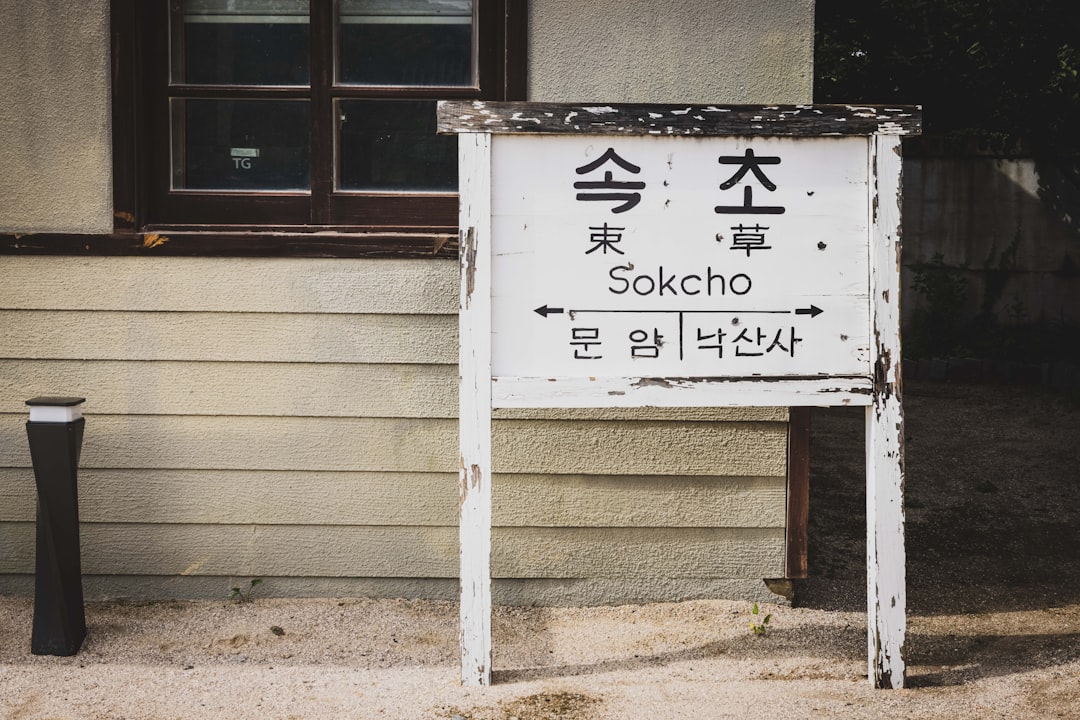
Opening
Sokcho is worth a weekend trip if you like hiking, fresh seafood, and don’t mind crowds during peak season. I’ve been here four times over the past few years—twice in winter, once in autumn, and once during summer—and honestly? It’s a solid 7 out of 10 destination. The main draw is Seoraksan National Park, which genuinely lives up to the hype. The beaches are fine but nothing special compared to Jeju or the southern coast. Come for the mountains, stay for the food and the relative ease of getting here from Seoul.
Getting There
From Seoul
Take the express bus from Dong Seoul Bus Terminal (강남고속버스터미널 or 동서울터미널). The route is clearly marked. Tickets cost between 23,000–26,000 KRW depending on the bus company. Journey time is about 2 hours 45 minutes to 3 hours 15 minutes depending on traffic. I usually go on Friday afternoons and it’s fine; never caught in serious jams. Buses run roughly every 30 minutes from 7 AM to 10 PM.
Here’s what most guides miss: the return journey on Sunday evenings is packed. I mean actually packed. If you’re leaving Sunday, book your return ticket Friday or Saturday. I learned this the hard way after a hiking trip and ended up standing for two hours. Also, the terminal in Sokcho is tiny and nothing like Seoul’s. It’s basically a parking lot with a coffee shop. Don’t expect much.
Alternative: Train
There’s a train option, but honestly I’d skip it. Takes about 4 hours, requires a transfer, costs around the same, and leaves at odd times. Bus is easier and faster.
What to Do / See
Seoraksan National Park — The Main Event
Entry fee is 4,000 KRW per person. The park is massive—over 400 square kilometers. Most visitors hit the same two trails: Biryong Falls (비룡폭포) and Ulsanbawi (울산바위).
Biryong Falls is the easier hike: about 1 hour and 20 minutes round trip from the main entrance. The waterfall itself is genuinely pretty, especially in spring and summer when water flow is higher. Winter feels underwhelming—I went in January and the falls were basically a trickle. The trail is well-maintained and crowded by 11 AM. Go early or go after 4 PM if you can. Entry to this section is 4,000 KRW.
Ulsanbawi is the more serious hike: 2 hours up, 1.5 hours down. It’s steeper, rockier, more exposed. The views from the top are objectively stunning—you can see the East Coast on clear days. Weather matters here. I visited on a foggy autumn day and couldn’t see 10 meters ahead; paid the same price and got nothing. Do this hike only if you have clear weather. Start by 8 AM if you want to avoid the weekend crush.
Real talk: the park gets absolutely rammed on weekends and holidays. I’m talking thousands of people on the trails. If you have any flexibility, come on a weekday or outside July-August. September is probably ideal—still warm enough, fewer crowds, good light.
Sokcho Beach (속초해변)
Fine for a walk. Not worth planning your trip around. The water is cold even in summer, and the sand is rocky in places. There are a few cafes along the beachfront where you can grab coffee and sit. That’s the best use of beach time here. Don’t expect Caribbean vibes.
Abai Village (아바이마을)
This is a small fishing village area near the harbor. Genuinely charming for 30 minutes. There are old wooden houses, some converted into small restaurants and shops. It’s touristy but not aggressively so. No entry fee. Go in the late afternoon when light is better for photos. Most tourists skip it, which is why I’d actually recommend it.
Sokcho Fish Market (속초수산시장)
It’s a real working fish market, not a tourist attraction dressed up as one. Go early—by 10 AM the best stuff is picked over. Prices are reasonable. You can buy fresh seafood and there are stalls that’ll cook it for you on the spot. This is where locals eat, not tourists, so the quality is good and the vibe is real.
Where to Eat / Practical Tips
Eating in Sokcho
Sokcho is famous for two things: sashimi (회) and grilled fish (생선구이). Every restaurant near the harbor will serve both.
For sashimi: go to any restaurant in the harbor area and order a platter for 2-3 people. Costs usually 35,000–50,000 KRW depending on the fish. Quality is solid. I’ve never had bad sashimi in Sokcho, which says something. Eat at a restaurant with big windows overlooking the water if you can—experience matters here.
For grilled fish: same area. Order the day’s catch. Usually priced by weight. A decent-sized grilled fish for two people runs 25,000–35,000 KRW. Ask the server what’s fresh that day. They know better than any menu.
Don’t overlook the Chinese restaurants run by older Korean-Chinese families. They’ve been there for decades and serve solid food at normal prices. Less touristy than the seafood spots.
Practical Things Locals Know
Bring more cash than you think you need. Some smaller restaurants still don’t take cards well. Convenience stores (GS25, CU) are everywhere and open 24 hours. Buy your trail snacks there.
Hiking boots matter. The rocks on Ulsanbawi are slippery and unforgiving. I saw at least three people turn back because their shoes were wrong. Wear proper hiking shoes, not sneakers.
Guesthouses in Sokcho are cheap—30,000–50,000 KRW per night for a basic room. Quality varies wildly. Stick with places that have recent reviews. Booking through Naver or local Korean apps gets better prices than international sites.
Download Naver Map or Kakao Map before you go. Google Maps is spotty here. These Korean apps have every restaurant, trail, and toilet marked accurately.
Honest Take
Go if you want a proper hiking experience, fresh seafood, and a break from Seoul without flying somewhere. Skip if you hate crowds or if beach relaxation is your goal—go to Jeju instead. Spring (April-May) and autumn (September-October) are the best times. Winter is cold and some trails close. Summer is possible but prepare for heat and crowds. The one thing I wish I’d known before my first visit: the park operates on a timed entrance system during peak times. You can’t just show up at noon on a summer Saturday and walk in whenever. Check ahead and book early if you’re going July-August. Otherwise, Sokcho is exactly what it promises—good hiking, good food, easy from Seoul. No surprises, no disappointments. Just a solid weekend.