Getting There: Transportation Options and Costs
Jirisan National Park from Busan
Reaching Jirisan from Busan requires a bit more planning than heading to Namhae, but it’s absolutely doable for a day trip. Your best option is taking an express bus from Busan’s Seobu Bus Terminal (서부버스터미널) directly to Gurye (구례), the most convenient entrance point for the park’s eastern section. The journey takes approximately 2.5 to 3 hours and costs around 17,000-20,000 KRW. From Gurye Bus Terminal, local buses run to various trailheads; the ride to Gurye Valley Entrance costs roughly 3,000-5,000 KRW and takes 20 minutes. Alternatively, taxis from Gurye Terminal to hiking entrances cost 15,000-25,000 KRW depending on distance. If you prefer more comfort and flexibility, renting a car from Busan costs approximately 50,000-80,000 KRW for a day, though you’ll need an International Driving Permit.
Namhae Island from Busan
Namhae Island is significantly easier to reach. Take a subway or bus from central Busan to Busan Express Bus Terminal (부산고속버스터미널), then catch a direct bus to Namhae. The journey takes roughly 1.5 to 2 hours and costs 12,000-15,000 KRW. Buses arrive at Namhae Terminal, located conveniently near the island’s main attractions. For car rental, expect similar prices to Jirisan (50,000-80,000 KRW daily), but the shorter drive time means less fuel consumption. This makes Namhae the clear winner for accessibility and time efficiency.
What to Do: Activities and Highlights
Jirisan National Park: Mountain Hiking and Nature
Jirisan is South Korea’s largest national park, covering 471.758 square kilometers of pristine mountainous terrain. The park entrance fee is 3,000 KRW per adult. If you’re a serious hiker, the park offers numerous trails ranging from 30-minute casual walks to challenging 6-8 hour treks. The Gurye Valley route is perfect for day-trippers: it’s a moderate 4-5 hour round-trip hike through stunning valleys with waterfalls, costing nothing beyond park entry. The trail opens year-round, but spring (April-May) and autumn (September-October) offer ideal weather and scenery. Summer can be uncomfortably humid, while winter requires proper gear. The park has basic facilities including a small visitor center (open 9:00 AM-6:00 PM) with restroom facilities and drinking water stations. One honest downside: Jirisan gets crowded on weekends and holidays, especially near popular valleys. If you go on a Saturday or Sunday, expect to share the trail with hundreds of other hikers and potentially wait in queues at narrow sections. Going on a weekday morning dramatically improves the experience.
Namhae Island: Coastal Beauty and Relaxation
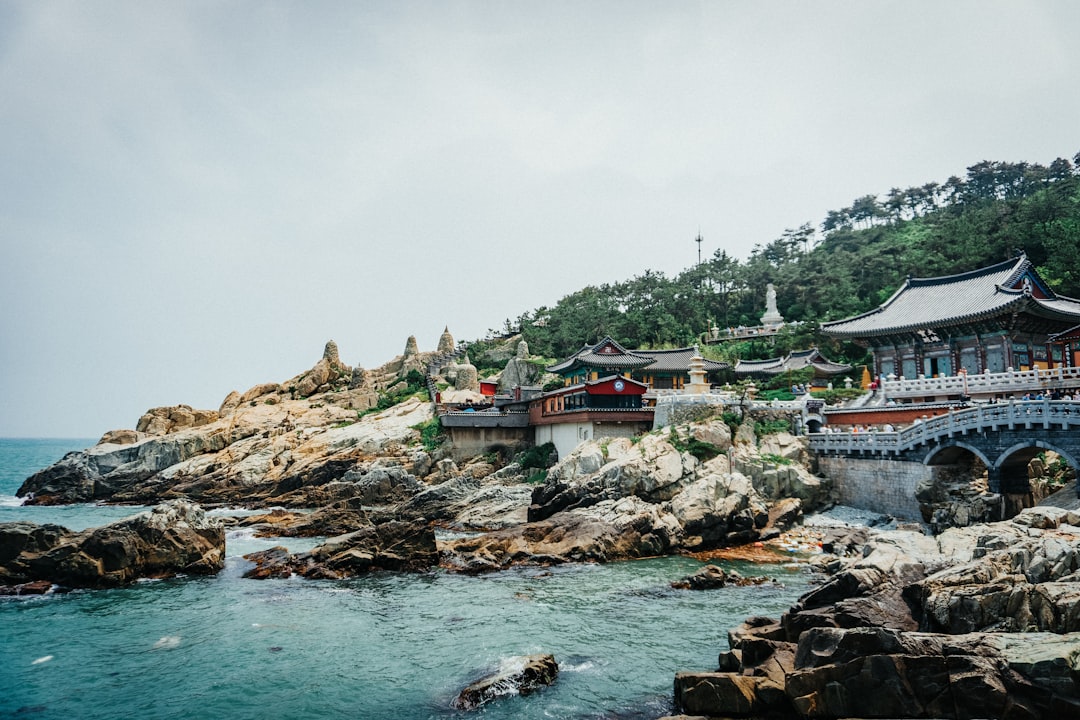
Namhae Island offers a completely different vibe from Jirisan. The island is known for its scenic coastal drives, beaches, and seafood. Tangkeut Port (당항포) is a charming fishing village where you can watch boats and grab fresh seafood lunch for 12,000-20,000 KRW per meal. The island has several decent beaches: Hyungnyul Beach and Mongdol Beach are popular choices, with free entry and basic facilities like changing rooms and showers. The German Village (독일마을) is a quirky themed area with colorful houses and cafes—admission is free to wander, though eating and shopping will cost extra. Sea Cable Car rides (해상케이블카) run 12,000 KRW for adults and offer decent views of the southern coastline. The island’s eastern coast driving route takes roughly 3-4 hours to cover the scenic highlights. Honestly, Namhae is more suited to relaxation and casual sightseeing than active adventure. If you’re seeking physical challenges or hardcore nature experiences, this island might feel too low-key. Also be aware that on summer weekends, beaches become extremely crowded, and accommodation prices triple.
Practical Considerations: Weather, Timing, and Real Talk
Best Times to Visit Each Destination
For Jirisan, spring and autumn are optimal. April-May brings comfortable temperatures (15-20°C) and wildflowers along trails. September-October offers similar conditions with autumn foliage in October. Summer (June-August) is humid and hot (25-30°C), making long hikes exhausting. Winter (December-February) requires mountaineering experience and proper cold-weather gear; many trails close or become dangerous. If you visit in spring or autumn on a weekday, you’ll have a genuinely excellent experience with manageable crowds and perfect conditions.
Namhae Island is enjoyable year-round, but late March through May and September through November are ideal. Summers (June-August) bring intense heat and massive crowds—beaches become shoulder-to-shoulder packed by afternoon. Winter offers peaceful walks and clearer skies for photography, though water temperatures make beach swimming impossible. The German Village and Port areas remain functional and interesting regardless of season.
What Most Guides Don’t Tell You
Here’s the honest assessment: if you’re arriving in Busan from overseas and want a genuine “nature immersion” experience, Jirisan delivers authentic Korean mountain culture. You’ll see real hikers, Korean family groups, and experience genuine wilderness. However, this requires solid physical fitness, proper hiking shoes, and willingness to wake up early to beat crowds. If you’re tired, short on time, or prefer relaxed sightseeing, Namhae Island is the better choice—no shame in that. The driving around the island is genuinely scenic, the food is excellent, and you’ll experience authentic coastal Korean life without the physical demands. One thing nobody mentions: bring far more water than you think you need for Jirisan; the mountain sun is intense, and dehydration sneaks up quickly. Also, Korean hiking culture means there will be hikers in full makeup, designer gear, and K-pop soundtracks echoing through valleys—this is normal and part of the experience, not a drawback unless you hate crowds. For Namhae, bring cash—many small restaurants and village shops don’t accept cards reliably, despite what signage suggests.
Making Your Decision: Final Comparison
Choose Jirisan If:
You want authentic mountainous terrain, have solid physical fitness, enjoy hiking, prefer natural landscapes over commercialized attractions, and can visit on a weekday morning. Total cost: 37,000-50,000 KRW (transport and park entry), plus meals.
Choose Namhae Island If:
You prefer relaxation, want easier access, enjoy coastal scenery and fresh seafood, have limited time or mobility concerns, and prefer avoiding strenuous activity. Total cost: 24,000-40,000 KRW (transport), plus meals and activities like the sea cable car. Both are legitimate day trips from Busan—neither is objectively “better.” The right choice depends entirely on what you want from your day outside the city.