Gumi Industrial Heritage: A Window into Korea’s Manufacturing Boom
What You’ll Actually Find There
Gumi is about 40km west of Daegu and represents something genuinely interesting if you’re curious about how South Korea transformed from an agricultural society to an industrial powerhouse in just a few decades. The city isn’t a theme park or curated museum—it’s a working industrial area where you can see factories, worker housing from the 1970s-80s, and the infrastructure that still powers Korea’s economy. The Gumi Industrial Complex sprawls across the area, and several heritage sites document this rapid development.
The main attraction is the Industrial Heritage Street (산업유산거리), centered around the old factory districts. You’ll see vintage factory buildings, worker dormitories, and some converted spaces now housing small cafes and galleries. The Gumi Electronics Museum (구미 전자박물관) occupies an old factory building and traces the history of Korea’s semiconductor and electronics industries. Admission costs ₩5,000 for adults, and it’s open 10:00 AM to 6:00 PM daily except Mondays. The exhibits are primarily in Korean, but visual displays help non-Korean speakers understand the timeline and technological progression.
How to Get There and Practical Details
From Daegu, take the KTX or regular train from Daegu Station to Gumi Station (about 25-35 minutes depending on train type; ₩6,700-12,100). Regular Mugunghwa trains take longer but cost less. From Gumi Station, take a local bus (lines 1, 2, or 21) toward the industrial area; the ride costs ₩2,200 and takes 15-20 minutes. Alternatively, a taxi from Gumi Station runs ₩12,000-15,000.
You’ll want 3-4 hours for a meaningful visit. Wear comfortable shoes—there’s more walking than you’d expect, and many streets don’t have sidewalks. Bring water; there aren’t many convenient stores in the heritage district. Many older buildings have limited air conditioning or heating depending on the season.
Honest Downsides Worth Considering
Here’s what most travel guides won’t tell you: Gumi isn’t aesthetically polished. You won’t find Instagram-worthy backdrops everywhere. Some buildings look abandoned; some are actively industrial and potentially unpleasant during hot summers due to factory operations. English signage is minimal, making it harder to navigate without a translation app. The heritage sites are genuinely interesting only if you find industrial history compelling—if you’re expecting something more visually dramatic, you might feel disappointed. The city can feel quiet and empty, particularly on weekdays, which some find contemplative and others find depressing.
Yeongchuk Riverside Villages: Slower Pace, Scenic Setting
The Experience and Main Attractions
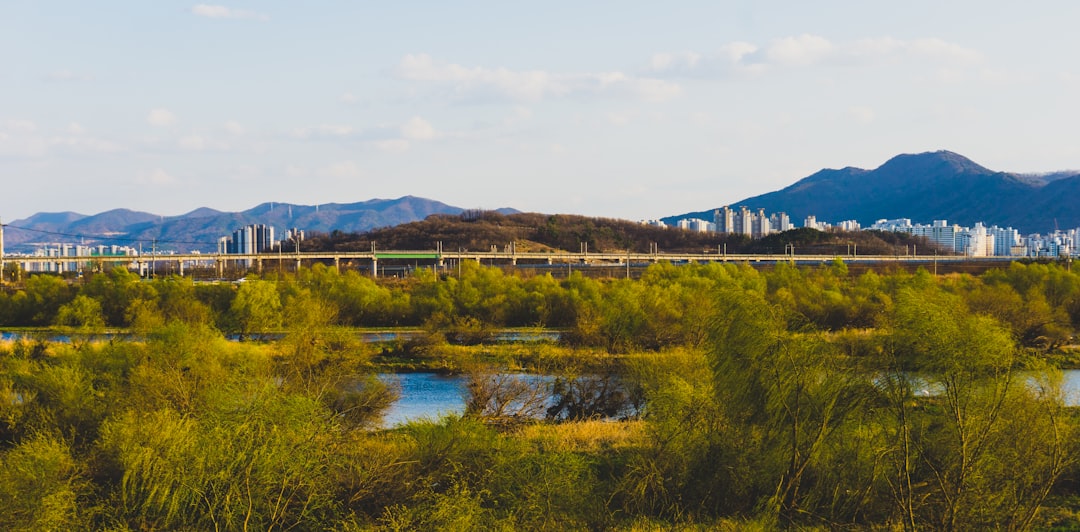
Yeongchuk (영천) sits about 35km southeast of Daegu along the Nakdong River. The riverside villages offer something completely different from Gumi: quieter, agricultural landscapes with small-scale tourism infrastructure built around river views, traditional housing, and farm experiences. The main area of interest is Yeongchuk-myeon, where you’ll find traditional Korean houses converted into cafes and guesthouses, riverside walking paths, and seasonal flower gardens.
The Nakdong River Cycleway passes through this area, making it popular with cyclists and casual walkers. Several small cafes overlook the river (expect to pay ₩4,000-7,000 for coffee or tea). There’s a folk village with reconstructed traditional houses open 9:00 AM to 6:00 PM (₩3,000 admission), though it’s modest compared to larger folk villages elsewhere. Cherry blossom season (late March to early April) and autumn foliage (October to mid-November) draw more visitors, though the villages remain relatively low-key year-round.
Transportation and Timing
From Daegu, take a bus from Seobu Bus Terminal to Yeongchuk (approximately 50-70 minutes; ₩5,500-7,000). Buses run roughly every 30-45 minutes. Once in Yeongchuk town center, you’ll need a taxi to reach the riverside villages (₩8,000-12,000), or rent a bicycle if you have the time and inclination. Some visitors rent scooters or cars from Daegu for more flexibility.
Plan for 4-5 hours if you want to walk the riverside paths and visit a cafe or two. The experience is deliberately slow-paced; rushing through defeats the purpose. This is better suited to a half-day trip rather than a full-day commitment unless you’re planning to stay overnight at one of the guesthouses (₩40,000-80,000 per room).
What to Realistically Expect
Yeongchuk’s appeal is understated. You won’t see dramatic scenery or major attractions. The villages are genuinely small, and outside peak seasons, they can feel quite empty. This is precisely the appeal if you want to escape crowds, but it also means fewer services and restaurants. Don’t expect English speakers at smaller establishments. The riverside walks are pleasant but not dramatically scenic—the Nakdong River is wide and calm rather than dramatic. Infrastructure for tourism is developing but remains basic compared to more established destinations.
Which Should You Actually Visit?
Gumi If You Prefer:
You have a genuine interest in industrial history, urban development, or how modern Korea was built. You want a more structured, activity-based day trip with clear attractions. You’re visiting during extreme heat or cold when outdoor activities are uncomfortable. You want to maximize what you see in a shorter timeframe. You find abandoned or aging spaces culturally interesting rather than depressing.
Yeongchuk If You Prefer:
You’re seeking genuine relaxation and slower travel. You want rural and natural landscapes over urban ones. You’re traveling during spring or autumn when weather is ideal for outdoor walking. You enjoy small-scale, low-tourism experiences. You’re flexible with timing and don’t need structured activities. You’re open to extended trips with overnight stays.
The Practical Decision
If you have only one day and limited Korean language skills, Gumi edges ahead for practical reasons: clearer public transit connections, more defined attractions, and easier navigation despite language barriers. If you have flexibility and genuine interest in slowing down, Yeongchuk offers a more authentic rural Korean experience that contrasts better with urban Daegu. Some travelers do both in a single day by visiting Gumi in the morning (it’s closer to Daegu) and heading to Yeongchuk in the afternoon, though this requires good transit timing and energy.