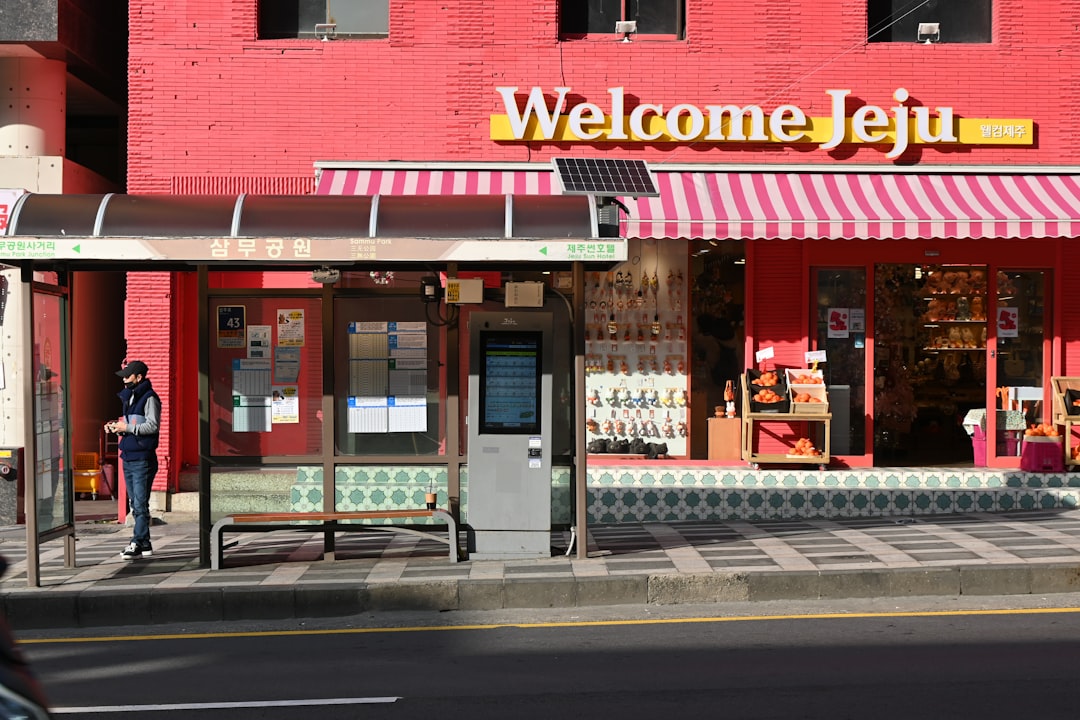
Why You Should Go (Or Maybe Not)
Jeju is Korea’s go-to beach destination, and I get it—the island has this relaxed vibe that Seoul can’t touch. But here’s the honest truth: it’s nothing like Southeast Asia, and if you’re expecting some undiscovered paradise, you’ll be disappointed. That said, if you like volcanic landscapes, decent seafood, and a break from the mainland without leaving the country, three days here is genuinely worth it. I’ve been five times now, and I keep coming back, though I’ll admit the cruise ship crowds have gotten worse.
Getting There
From Seoul, you have two options. The flight is fastest—about 1 hour from Gimpo or Incheon airport. You’re looking at 50,000-80,000 KRW return depending on the airline and how far in advance you book. I usually go with Jeju Air or Eastar Jet. The airport is small and friendly, which is nice.
The ferry is slower but cheaper. It leaves from Incheon port and takes about 12-14 hours depending on the ship. A standard cabin runs around 80,000-120,000 KRW one way, and honestly, it’s a bit of a rough ride if you get seasick. I’ve done it once and never again.
Most tourists miss this: you don’t need to rent a car for three days if you’re staying in Jeju City or Seogwipo. The bus system is solid. The 600 and 700 lines circle the island and hit most spots. A day pass costs 10,000 KRW. That said, if you want to move freely without waiting 45 minutes between buses, rent a car. It’s around 50,000-70,000 KRW per day. Your international license works fine.
Airport to City Center
From Jeju International Airport, take the 100 or 200 bus directly to downtown Jeju City—about 30 minutes, 2,500 KRW. Taxis run 15,000-18,000 KRW. Skip the tourist shuttle buses; they’re overpriced.
What to Do and See
Day 1: Jeju City Side
Start at Hallasan, the dormant volcano that dominates the island. Most people do the full hike (19 km round trip, 5-7 hours), which is ambitious in three days. I’d skip it unless you’re really into hiking. Instead, do the Yeongnuni Oreum trail near the summit—it’s 5.8 km, takes about 2.5 hours, and gives you the same crater views without the commitment. Entry is free. Go early, before 9 AM, or you’ll be shoulder-to-shoulder with Korean tour groups.
Next, head to Seongeup Folk Village. This is one place that actually lived up to the hype. It’s a reconstructed traditional village with thatched houses, and the admission is 8,000 KRW. You can walk through in an hour, but don’t rush it. There’s a small museum inside that’s actually interesting. Go around 11 AM or after 3 PM to avoid midday crowds.
End the day at Gujwa Haenyeo Performance. These are the female divers you hear about in every tourism board about Jeju. They perform at 11 AM and 2:30 PM daily. Admission is 10,000 KRW. It’s worth seeing once, though honestly, it feels a bit staged now. The actual haenyeos dive less frequently these days—mostly for tourists and special events.
Day 2: South Side (Seogwipo)
Take the 60-minute bus ride south to Seogwipo. This side of the island is where most of the beaches are. Start at Jungmun Beach—it’s cleaner and less crowded than the northern beaches. Entrance is free. The water is cold even in summer (around 20°C in August), so don’t expect warm swimming.
Visit Cheonjeyeon Waterfall next. It’s a 5-minute walk from the parking area. Admission is 2,500 KRW, and it’s genuinely pretty, especially if it’s rained recently. Go in the morning when the light hits it right. By afternoon, it’s packed with tour groups.
The Teddy Bear Museum is here too, and I’d honestly skip it. It costs 10,000 KRW, and unless you have kids or a thing for vintage bears, there’s not much substance. Waste of time and money in my experience.
For something different, go to Oedolgae Rock. It’s a sea stack on the eastern edge of Seogwipo with a small pavilion. Free admission, and it’s where fewer tourists go. The locals fish here in the early mornings.
Day 3: East Side and Hidden Spots
Head east toward Gujwa-eup. Stop at Seongeup Black Pork Street for lunch (more on this below), then visit Manjanggul Cave. This lava tube is over 7 km long, but only 1 km is open to the public. Admission is 5,000 KRW. The cave stays around 11°C year-round, so bring a light jacket. It’s genuinely cool—literally and figuratively.
Next, drive to Gwangchigi Beach on the southeastern coast. This is where I’d tell most tourists not to bother, but locals still come here. It’s rocky, the water is rough, and it’s not Instagram-friendly. That’s why it’s peaceful. If you want a real taste of Jeju without the staged tourism, this is it.
Finish at Woljeong Ri Beach on the western side. Sunset here is decent if the weather cooperates. The beach bars don’t open until around 4 PM, and they serve cheap beer (3,000-5,000 KRW per bottle) while you watch the sun drop. It’s a solid way to end the trip.
Where to Eat and Practical Tips
Jeju’s famous for black pork. Go to Seongeup Black Pork Street and pick any restaurant—they’re all pretty similar. A full meal (grilled pork, side dishes, soup) runs 15,000-20,000 KRW per person. It’s good, not life-changing.
Raw fish and seafood are cheaper here than Seoul. A decent sashimi set at a local restaurant costs 20,000-35,000 KRW. I’d eat at the smaller spots in Seogwipo fish market rather than the touristy seafood restaurants near the beaches.
Practical tip: convenience stores (GS25, CU) sell decent kimbap and sandwiches for 4,000-7,000 KRW if you want to save time and money. The tourist information booths at the airport are actually helpful—grab a map.
Another thing locals know: the island gets genuinely windy. Bring a light windbreaker regardless of the season. You’ll need it.
Honest Take
Jeju works best for couples or small groups who want to relax without much planning. Skip it if you’re looking for nightlife—the bar scene is mediocre. Best time to visit is May or September. Avoid July-August (peak season, expensive, crowded) and winter (cold, rainy, many places have reduced hours). If I could tell myself before my first visit one thing, it’s this: Jeju isn’t some tropical escape. It’s a Korean island with a slower pace and decent food. Come with that expectation, and you’ll enjoy it. Expect paradise, and you’ll leave disappointed.