Why You Should Actually Go (Or Maybe Not)
Yeosu is worth two days if you want coastal scenery, fresh seafood that doesn’t cost Seoul prices, and a break from the intensity of bigger cities. It’s not Jeju. The beaches aren’t going to blow your mind. But after living here for years, I’ve found it’s genuinely relaxing—the kind of place where you can waste time without feeling like you’re wasting time. The main draw is the combination: decent seafood restaurants, a few solid viewpoints, and enough island-hopping options to keep you occupied without the tourist crush of more famous spots.
Getting There
From Seoul, take the KTX from Yongsan Station. It’s about 2 hours 50 minutes, costs around 59,000 KRW one-way. You arrive at Yeosu Expo Station. The whole trip is straightforward—no transfers, just sit and watch farmland turn into water.
Bus is cheaper (around 23,000 KRW from Dong Seoul Bus Terminal, 4 hours) but slower and you’ll arrive more tired. I only take the bus if I’m staying longer and the money matters.
Once you arrive, grab a taxi to your guesthouse. The buses run fine, but taxis are cheap enough (around 8,000–12,000 KRW depending on area) that it’s not worth figuring out the local system if you only have two days. I made this mistake my first visit and wasted 30 minutes reading route maps.
Here’s what most guides miss: the airport shuttle myth. Yeosu has no airport. People sometimes mention flights, which just creates confusion. Just take the KTX. It’s faster than dealing with buses to Incheon.
What to Do and See
Yeosu Expo Park and Lighthouse
This is genuinely the main sight. The lighthouse is open 9 AM to 6 PM daily (until 7 PM in summer), and entry is 3,000 KRW. Go early, like 9:30 AM, to beat the Korean family groups that arrive mid-morning. The walk up gives decent coastal views. From the top, you can see the harbor and some islands. It’s not life-changing, but it’s solid. Spend maybe 45 minutes here.
The park itself is free to walk through. I used to think it was impressive, but after three visits, the novelty wore off. It’s manicured, clean, and slightly sterile. Good for a walk, that’s all.
Odongdo Island
This is worth the trip more than the main park. It’s a small island connected by a footbridge to the mainland. Walk across early morning—around 7 AM or 8 AM—and you’ll have it mostly to yourself. There’s a little trail through camellia trees, a small lighthouse, and a few lookout points. No entry fee. The walk takes about 30 minutes if you’re slow.
I visited in April once and caught the camellia flowers. People had told me this would be crowded, and they were right—it was packed by 10 AM. Timing matters here.
Jinha Beach
Most tourists go to Gwangalli Beach because guidebooks mention it first. Skip it. Go to Jinha Beach instead, about 15 minutes drive from the center. It’s quieter, the seafood restaurants backing the beach are good, and the sand is fine. There’s a small fee to park (3,000 KRW) but no beach entry charge. In summer it gets crowded on weekends, but off-season or weekday mornings it’s peaceful. I’d spend 2–3 hours here if the weather’s decent.
Namhae Island (Half-Day Trip)
This requires renting a car or taking a bus from Yeosu bus terminal (about 1.5 hours). I did this and regretted the logistics—it eats your day. The island itself is nice, with small fishing villages and quiet roads, but for a two-day Yeosu trip, I wouldn’t recommend it. You’re better off staying local.
Herbatang Port Area
Walk around the working fishing port in the early morning. Boats are coming in, ajummas are selling fresh catch. It’s real Korea, not staged. Free to walk around. The seafood restaurants here are better than the ones targeting tourists. This should be part of your day.
Where to Eat and Practical Tips
Seafood Restaurants
At Herhatang Port, go to any restaurant showing whole fish in the window. Point at what looks good. Expect around 15,000–25,000 KRW per person for fresh grilled fish with banchan. It’s honest food, not fancy.
For abalone (jeonbok), there are restaurants near the lighthouse charging 40,000–60,000 KRW per portion. The seafood is fresh. Whether it’s worth the price depends on your budget. I’ve eaten better abalone in Seoul for similar prices, so I wouldn’t make a special trip.
Skip the seafood chains with English menus near the main tourist areas. The prices are inflated and the fish is less fresh.
Practical Tips Locals Know
Bring cash. Many smaller restaurants and vendors don’t reliably take cards. ATMs are everywhere, but it’s easier to withdraw 100,000 KRW when you arrive.
Spring and fall are best. Summer gets crowded with families on vacation. Winter is quiet but gray and cold—doable, but you’re not really enjoying the coast. March through May or September through October is ideal.
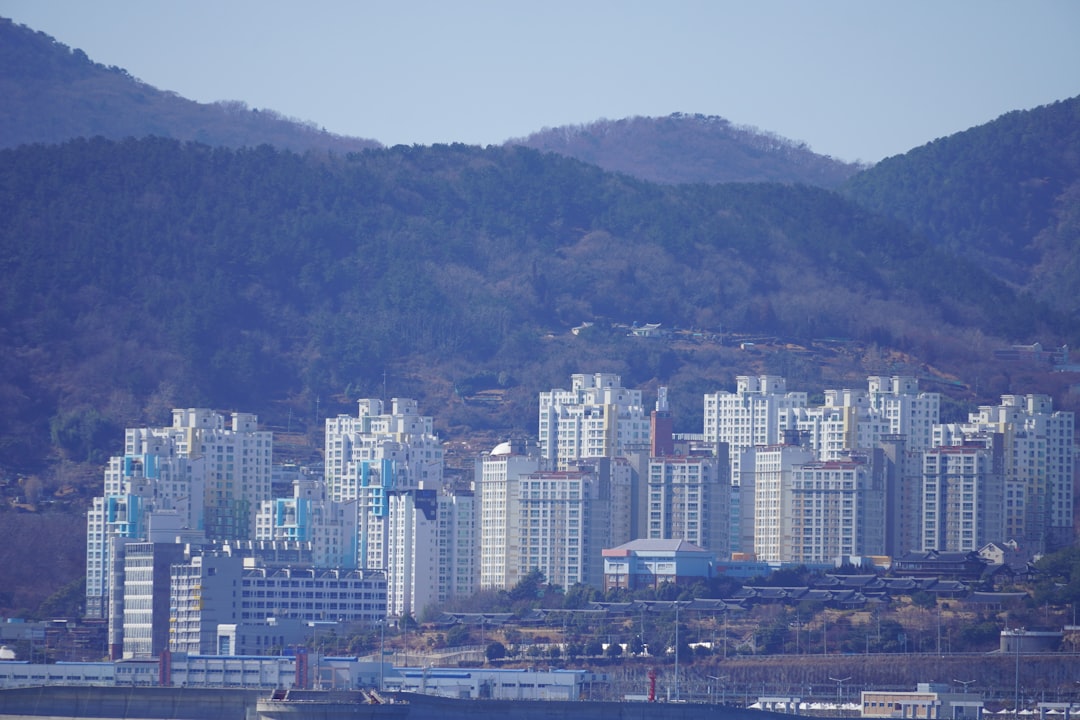
Guesthouses are better value than hotels. Around 50,000–80,000 KRW per night. Stay near Odongdo or Jinha Beach, not downtown. Downtown is just gray buildings.
Rent a small car if you have an international license. Buses work, but you lose flexibility. A rental is maybe 50,000 KRW for 24 hours and worth it for exploring beyond walking distance.
Honest Take
Go to Yeosu if you want to slow down for two days, eat fresh seafood without Seoul’s attitude, and see Korean coastal life that isn’t resort-ified. Skip it if you’re expecting dramatic scenery or nightlife. Don’t spend more than two days here—by day three you’ll be bored. Late April through May is the sweet spot: weather’s warm, everything’s blooming, and it’s before the summer crowd. The one thing I wish I’d known on my first visit: the main tourist draws (the expo park, lighthouse) are okay but not essential. The real value is just existing in a quieter space, eating well, and taking the slow ferry ride to islands if you feel like it. Yeosu won’t change your life, but it’s a solid reset button.