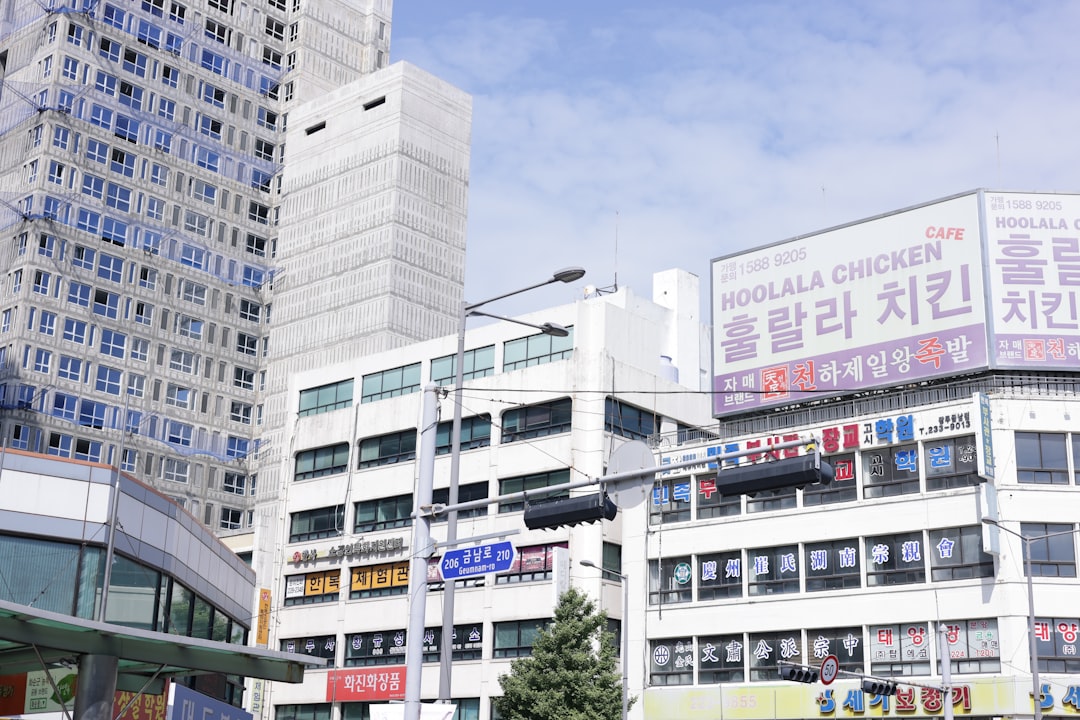
Opening
Gwangju is honestly underrated. Most people fly in, spend two days checking boxes, and leave. But the city is the perfect base for some genuinely good day trips—especially if you’re tired of the Seoul-Busan tourist circuit. I’ve done the Damyang bamboo forest run probably five times now, and each trip I find something new that makes me realize why locals actually care about this region.
Getting There
From Seoul, you’re looking at about 3.5 hours by KTX to Gwangju. The ticket costs around 49,000-51,000 KRW depending on the time you book. Once you’re in Gwangju, you’ll want to base yourself there—it’s got everything you need and better value than staying in the villages themselves.
The key thing guides always get wrong: they make it sound like you can easily hop between all three areas in one day. You can’t. Not really. The villages and forest aren’t that close to each other, and the mountain hikes take actual time. I’d recommend either spending two full days in the area or picking one focus per trip. When I tried to do all three in one day, I spent more time in taxis and buses than actually experiencing anything.
Getting around once you’re in Gwangju requires some planning. Renting a car is honestly the way to go if you want real flexibility. Expect to pay 50,000-70,000 KRW per day from a local rental place (less than international chains). If you don’t drive, there are intercity buses—the Damyang buses run frequently from Gwangju Bus Terminal, about 1,200 KRW and 40 minutes. But schedules are limited and you’ll be stuck on someone else’s timeline.
What to Do / See
Damyang Bamboo Forest (Damyang Juks林)
The forest is the big draw, and it’s genuinely worth seeing. The main walking path is about 1.2 km and takes maybe 30-40 minutes at a normal pace. Entry is free. Hours are basically sunrise to sunset—there’s no gate, so you can show up whenever.
Here’s the real talk: go early. I mean 7-8 AM early. By 11 AM, it’s packed with tour groups and selfie sticks. The light is also better in the morning anyway. I went once at 2 PM on a Saturday and barely recognized the place—you can’t move without bumping into someone.
The bamboo itself is beautiful, but it’s also just a path through bamboo. Don’t expect some transcendent experience. The real value is in the quiet time among the trees, which you’ll only get if you arrive before the crowds. After the main path, there’s a small tea house area where you can get a drink, but it’s touristy and overpriced (6,000 KRW for basic tea).
Nearby is Juknokwon, which is like a “bamboo culture museum.” It costs 5,000 KRW to enter, and honestly, I’d skip it. It’s a small exhibition space that feels half-finished, and you’re not missing anything critical.
Traditional Villages: Yangdong and Hahoe
These are about 30 km apart, so again—don’t try to do both in one trip unless you’re very focused. Both are UNESCO-listed, which means they’re preserved but also increasingly touristy.
Yangdong-myeon is the closer option from Gwangju (about 40 minutes by car). It’s a working village, not a museum. Houses are still occupied by people who actually live there. You can walk around freely; entry is free. I found it more authentic than Hahoe because you’re genuinely moving through someone’s neighborhood, not a staged experience. The stone walls and traditional courtyards are worth seeing, especially in autumn when the leaves are turning.
Hahoe is the more famous one and also the more crowded. It’s about 1.5 hours away. Entry is 5,000 KRW. The village is stunning visually—the river loop around it is dramatic—but it feels more performative. There are restaurants and souvenir shops everywhere. That said, the Hahoe Mask Museum is actually decent if you’re into that, another 5,000 KRW. I’d go to Yangdong if you want the real village experience, or Hahoe if you want better infrastructure and prettier photo ops.
Mountain Hikes
Gwangju is surrounded by decent hiking options. Mudeungsan is the closest real peak to the city (703 meters), about 20 minutes by car from downtown. It’s not a serious climb, but the views back toward the city are solid. There are multiple routes; the main one takes 2-3 hours round trip. Parking is 3,000 KRW.
If you want something more substantial, Naejangsan (about 1.5 hours away in Jeongeup) is excellent. It’s busier but the autumn foliage is genuinely stunning. The main valley walk is about 6 km and takes 3-4 hours. Entry is 4,000 KRW. I’d recommend doing this in late October or early November rather than summer—the crowds and heat make it less enjoyable when I’ve tried it in July.
A real warning: some routes don’t have great markers. I got turned around on a Mudeungsan trail once and wasted 45 minutes. Bring a phone with offline maps or ask locals before starting.
Where to Eat / Practical Tips
In Damyang, the area around the bamboo forest has restaurants, but they’re tourist-focused and mediocre. My advice: eat before you arrive or after you leave. In Gwangju proper, head to the restaurant area near Chungjangno Street for actual good food that locals eat.
For a specific recommendation: find a place serving “Gwangju-style kimbap.” It’s different from Seoul kimbap—usually has raw beef, more sauce. You’ll find decent spots for 7,000-10,000 KRW. Avoid anywhere with laminated picture menus and English signs if you want better quality.
Practical thing nobody mentions: buses and taxis both run infrequently outside major cities. I got stuck in a village once for two hours waiting for the last bus back. Download the Naver Map app now, before you go. It’s better than Google Maps in Korea and lets you see real-time bus locations.
Honest Take
Go if you’re already in Gwangju or if you want genuine quiet and nature without the Nami Island circus. Skip it if you’re expecting something otherworldly—it’s nice, but it’s not Korea’s best scenery. If you’re on a tight timeline, spend your money on better day trips like Jeolla wine country instead. The best time is honestly April-May or September-October. Summer is hot and crowded; winter is fine but feels empty. My one piece of advice: don’t try to maximize. Pick one area, spend real time there, and actually notice things instead of rushing to the next spot. That’s when this region actually clicks.