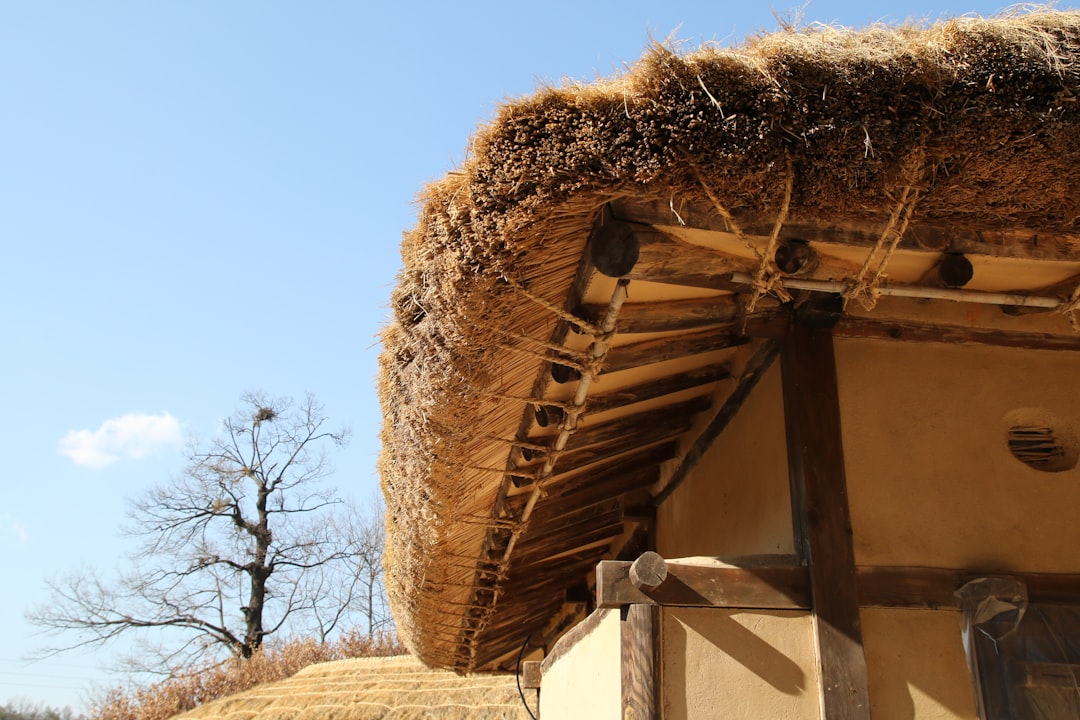
Opening
Yeongju sits about 2.5 hours north of Seoul and honestly, most Western travelers skip it entirely. That’s actually what makes it worth going. You get legitimate Buddhist temples without the Seoul crowds, actual mountain hiking that doesn’t feel like a theme park, and food that tastes like what locals actually eat instead of what’s been optimized for Instagram. I’ve been here three times now, and each visit feels less touristy than the last—which is exactly the problem if you’re looking for English signage and well-worn tourist paths.
Getting There
From Seoul, take the KTX train from Cheongnyangni Station (Line 1) to Yeongju Station. Cost is around 30,000–40,000 KRW depending on which train you pick. Travel time is roughly 2 hours 15 minutes. You can also take an intercity bus from Dong Seoul Bus Terminal (Gangbyeon Station, Line 2) for about 20,000 KRW and an extra 45 minutes, but honestly the KTX is worth the extra money.
Here’s what most guides get wrong: they assume you need a rental car. You don’t. The bus system connecting temples and hiking spots is legitimately good if you know which routes to take. Get a Naver Map or Kakao Map account set up before you arrive. Use those apps instead of Google Maps—Google’s directional data here is outdated in places.
Once at Yeongju Station, taxis to the main temple area cost 10,000–15,000 KRW. The station itself is small and quiet, which tells you something about the town’s size.
What to Do / See
Buseoksa Temple
This is the main draw, and for once the hype is justified. Built in 676, it’s one of Korea’s oldest wooden structures still standing. The entry fee is 4,000 KRW. Opening hours are 8 AM to 6 PM year-round. Go early—before 10 AM—and you’ll have the temple grounds almost entirely to yourself. By noon on weekends, it fills with Korean families and tour groups.
The temple itself sits on the mountainside, so there’s built-in hiking involved just walking around. The wooden buildings have a different feel than more famous temples because they’re less renovated, less polished. You can see the actual age in the wood. I spent two hours here on my second visit just sitting in different spots. The main hall smells like old wood and incense in a way that feels real, not performed for tourists.
Soseoksa Temple
About 5 km away, this smaller temple is worth a 30-minute bus ride if you have the time. Way fewer visitors than Buseoksa. The entry is 2,500 KRW and the grounds feel genuinely peaceful in a way that’s become rare. There’s a small waterfall nearby that’s more impressive in spring or after rain. I visited in summer once and it was basically a trickle, but the walk there is pleasant regardless.
Sosuseowon Confucian Academy
This wasn’t packed into my itinerary the first time, and I regret it. It’s a well-preserved Confucian study site from the 16th century. Entry is 3,000 KRW. It’s quieter than the temples and offers a different kind of historical experience. If you’re interested in Korean history beyond Buddhism, this spot is worth the visit. Most Western tourists completely miss it.
Joryeongsan Mountain Hiking
The hiking around Buseoksa is solid. The trail to Joryeongsan peak takes about 2–3 hours round trip from the temple and the elevation isn’t brutal. The summit gives you actual views of the surrounding area instead of just the temple grounds. I’d rate it as moderate difficulty. Wear proper hiking shoes—the rocks get slippery and flip-flops have no place here. The trailhead is right near the temple, and you don’t need a guide.
One honest note: the trail itself can feel a bit worn and doesn’t have the pristine mountain feel of less-visited peaks. If you’re coming from the alpine hiking of the Seoraksan area, this will feel tame. But for a quick morning hike combined with temple exploration, it works perfectly.
Where to Eat / Practical Tips
Food Recommendations
Skip the restaurants with English menus near Buseoksa. They’re tourist traps and the food is mediocre. Walk into town instead—it’s only a 15-minute walk from the temple.
There’s a small restaurant near the Yeongju Market area (about 1 km from the station) where I’ve eaten maybe five times. No English menu, no romanization. I just pointed at what other people were eating. You get a proper bibimbap with wild vegetables for 6,000 KRW, or doenjang jjigae (soybean paste stew) for 7,000 KRW. The sides—banchan—are actually seasonal instead of the same five things everywhere. This is the kind of place that feeds locals working nearby, not tourists.
For something more specific: try the ssambap restaurants. They give you grilled meat and lettuce wraps with all the accompaniments. Yeongju has good ones because it’s rural enough that meat quality is still a point of local pride. Figure on 12,000–15,000 KRW per person. Go for lunch when the ajumma (older women) running the place are actually there and engaged.
Coffee shops in the town center are decent and cheap—most coffee runs 3,000–5,000 KRW. They’re good places to sit and figure out your next move if the weather is bad.
Practical Tips
Most temples close by 6 PM. Don’t arrive late in the day expecting leisurely exploration.
Bring cash. Smaller restaurants and entry fees work better with won than cards. There’s an ATM near Yeongju Station.
The town itself isn’t set up for tourism, which is great until you need something specific. If you forget sunscreen or need medication, pharmacy chains are near the market area. Use Naver or Kakao to search for what you need in Korean.
Spring (April–May) and fall (September–October) are obviously best for hiking and temple visiting. Summer is hot and humid. Winter is fine if you don’t mind cold, but some smaller attractions close or have reduced hours.
Honest Take
Yeongju works best for people who’ve already done the Seoul temple circuit and want something less curated. If you speak some Korean or are comfortable navigating without much English support, go for it. If you need everything explained in your language and prefer more infrastructure, skip it and stick to Gyeongju, which is bigger and more developed. The best time to visit is May or late September—warm enough for hiking, cool enough that you’re not miserable. One thing I wish I’d known earlier: the local bus system actually runs pretty frequently between temples if you know which routes to take. My first visit, I thought I needed a car because of language barrier stress. I didn’t. Download Naver Map, bookmark the bus routes, and you’re fine. The experience is better when you move at the pace of local buses instead of a rental car anyway.