Why You Should Actually Come Here (And Why You Might Not)
Osu is one of those places where Korea’s slower side actually shows up. I first came here expecting a quiet temple village and got exactly that—no Instagram crowds, no tour buses blocking the main street, just old pottery studios and actual monks who weren’t performing for cameras. That said, if you’re looking for nightlife, major museums, or restaurants with English menus, you picked the wrong place. Osu isn’t trying to be tourist-friendly. It’s just doing its thing.
Getting There From Seoul
Take Line 1 from Seoul Station toward Cheonan. Get off at Osu Station. The whole trip takes about 2 hours 15 minutes and costs 5,600 KRW. You could also take a direct bus from Seoul’s Nambu Terminal—various companies run this route for around 12,000-15,000 KRW, but the train is more comfortable and predictable.
Here’s what most guides miss: they tell you to get off at Osu Station and assume everything is walking distance. It’s not. The actual town center where the temples and pottery studios cluster is another 20-30 minutes by local bus. I wasted my first visit wandering around the station area looking for “the pottery village.” Take local bus 201 from the station toward the town center—cost is 1,250 KRW. Ask the driver “Osu town” and they’ll know where to drop you.
What to Do and See
Gwaneumsa Temple
This is the main draw, and it’s actually worth your time. It’s smaller than the famous temples around Seoul, which means it’s peaceful on weekdays. Open from 6 AM to 6 PM daily. Admission is free. The temple grounds sit on a mountainside with a 20-minute walk through actual forest—not a maintained hiking trail, just paths between the trees. I’ve been here three times and only seen foreign tourists once.
The main hall is from the 17th century. The smaller shrine buildings are older. If you time it right (get there by 8:30 AM), you can sit in on morning prayers. Nobody minds if you’re quiet. The monks mostly ignore you, which is kind of the point. Bring cash—they have a donation box but no card reader.
Pottery Studios
Osu is known for traditional ceramics. There are actual working studios scattered around town, not tourist shops. I’d recommend spending an afternoon just walking and peeking into places. You’ll see artisans at work, often willing to chat if you show genuine interest. Most don’t have set hours—they’re just there when they’re working. Prices for finished pieces run from 30,000 KRW for small cups up to several hundred thousand for larger works.
One honest note: the pottery scene is smaller than it was even five years ago. Younger people aren’t taking up the craft in Osu like they used to. Some studios have closed. You’re not going to find the thriving artisan village you might imagine. What you will find is genuine work by people who’ve been doing this for decades, which is actually more interesting if you’re into that sort of thing.
Osu Ceramics Museum
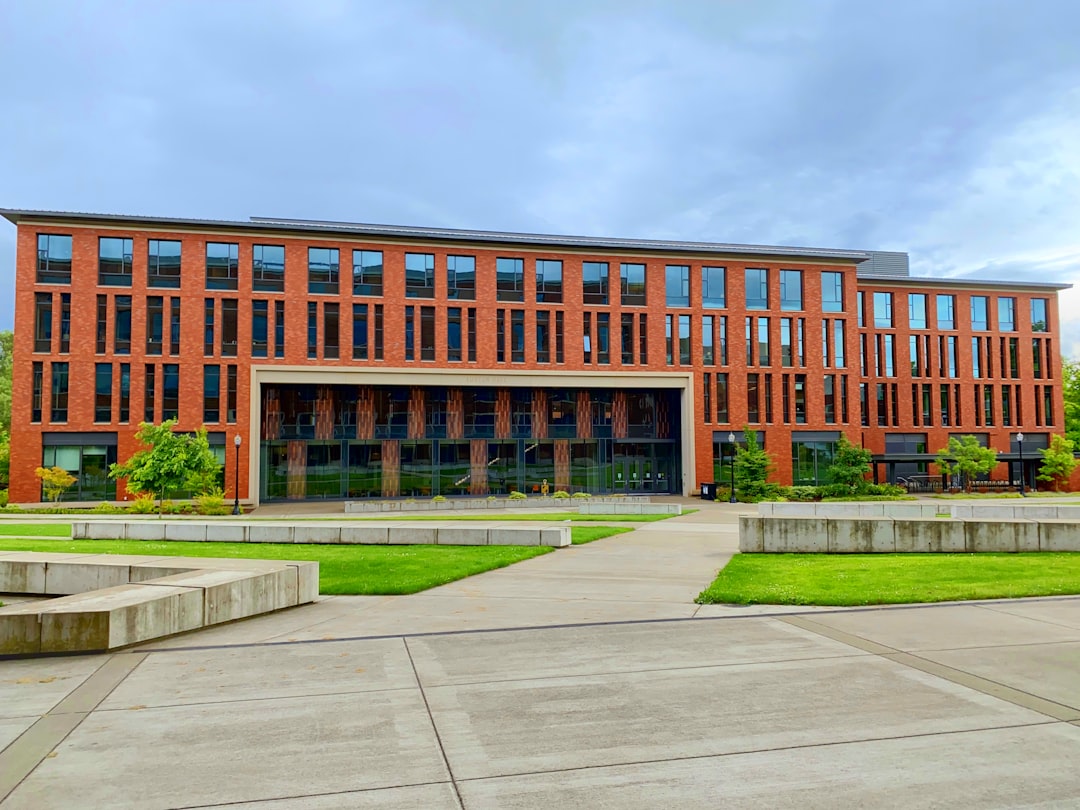
This is the only real museum in town. Open Tuesday to Sunday, 9 AM to 6 PM. Closed Mondays. Entry is 3,000 KRW. It’s small—you can see the whole thing in 45 minutes. They have examples of Osu ware from different periods and some explanations in English. It’s useful if you want context before wandering the studios, but it’s not a major attraction. The building is modern and kind of plain. Not disappointing exactly, but don’t expect anything dramatic.
Nearby: Najeong-ri Traditional Village
About 15 minutes by local bus from town center. This is old Korean village architecture preserved reasonably well—not overrestored, not crumbling. Some houses are still lived in. It’s quiet and genuinely a bit eerie in the best way. If you have time, worth a 30-minute walk through. No entry fee. Go in the afternoon when light is better for photos.
Where to Eat and Local Food Tips
Jjim Restaurant Near Gwaneumsa
There’s a small Korean restaurant about 10 minutes downhill from the temple. Ask locals or your bus driver—everyone knows it. They serve jjim (braised meat and vegetables) and doenjang jjigae (soybean stew). Meal costs around 8,000-12,000 KRW. The owner is in her 60s and doesn’t speak English, but hand signals work fine. Open for lunch and dinner, though sometimes she closes early if she’s out of ingredients. It’s the kind of place you eat where locals eat, which is exactly the point.
Osu Market
Small traditional market in town center. Open most days until early evening. Get tteok-bokki (spicy rice cakes) from the stall run by an older woman wearing a blue apron—2,000 KRW for a full serving. There’s a kimbap counter where you can eat standing up. Nothing fancy. Everything is cheap. This is where I eat lunch when I’m here because it’s real and honest and costs almost nothing.
Practical Food Note
Osu doesn’t have convenience store food culture like Seoul. Bring snacks if you’re picky. Most restaurants don’t have menus with pictures. Learn to point. The coffee shops that do exist are mediocre and overpriced. Skip them and get instant coffee at a convenience store instead.
Honest Take
Go if you want to actually see how Korean people live away from Seoul’s noise. Go if you’re interested in traditional crafts and don’t mind quiet afternoons. Go if you have a few extra days and want to reset. Skip it if you need activities constantly, if you need restaurant menus to guide you, or if you’re exhausted and just want comfortable familiarity. The best time is late spring (May) or early fall (September-October) when it’s not hot or cold. Winter is gray and depressing here. Summer is humid and the temples smell like mold. One thing I wish I’d known: bring a proper power bank. Cell service is spotty in some areas, and you’ll need your phone for translation. Also, wear comfortable shoes—you’ll walk more than you expect. And honestly? Don’t oversell it to yourself. It’s a nice, calm, small place. That’s enough.