Why Suncheon? The Honest Take
Look, I didn’t expect much when I first went to Suncheon. It’s not Seoul. It’s not Busan. But after visiting three times over five years, I keep coming back because it actually delivers something different—the wetland reserve is genuinely beautiful without feeling manufactured, the traditional villages have character, and the food scene here isn’t trying too hard to impress tourists. It’s worth 2 days if you want to slow down and actually eat good food instead of checking boxes.
Getting There
From Seoul, take the KTX from Yongsan Station directly to Suncheon Station. It costs 39,000 KRW and takes about 2 hours 40 minutes. You’ll arrive at Suncheon Station in the center of town. If you’re coming from Busan, it’s a 1-hour KTX ride for 23,600 KRW.
Here’s what most guides don’t mention: the KTX from Yongsan doesn’t run every hour, especially midweek. Check the schedule at korail.com two days before. I showed up once expecting to catch a train and waited 90 minutes for the next one.
Once you’re at Suncheon Station, rent a car if you’re staying two days. Seriously. Buses exist, but they’re infrequent and you’ll waste an hour figuring out connections. A small car rental from Suncheon Station costs around 60,000 KRW per day. If you don’t drive, download the Naver Map app and accept that you’ll use taxis between major spots (most rides are 8,000-15,000 KRW).
What to Do and See
Suncheon Bay Wetland Reserve (순천만습지)
This is the main attraction, and honestly, it deserves it. The reserve covers 5.4 square kilometers of actual functioning wetland—not just a park pretending to be nature. Entry is 5,000 KRW. Open daily 9 AM to 6 PM (until 5 PM November to February). Go early, around 8:45 AM, before the tour groups show up around 10 AM. The walking paths are excellent and marked clearly. Expect to spend 1.5 to 2 hours here.
The main observation tower gives you views across the entire wetland. In autumn (September through November), the silver grass is at its peak and the light is perfect. Spring (April-May) brings migratory birds and feels less crowded than fall. Summer is humid and mosquito-heavy—bring repellent.
One real criticism: the “ecological experience” areas near the entrance are kind of underwhelming. There are indoor exhibits about wetland wildlife that feel like they were designed in 2008. Skip those and just walk the trails.
Suncheon Bay Garden (순천만정원)
Right next to the wetland reserve. Entry is 8,000 KRW. It’s a curated garden space with planted areas, sculpture installations, and viewpoints. I’m being honest—this feels more touristy than the wetland itself. It’s nice for photos but I wouldn’t spend more than 45 minutes here. It’s designed to complement the wetland, not replace it. Open same hours as the wetland.
Naganeupseong Fortress Village (나가네읍성)
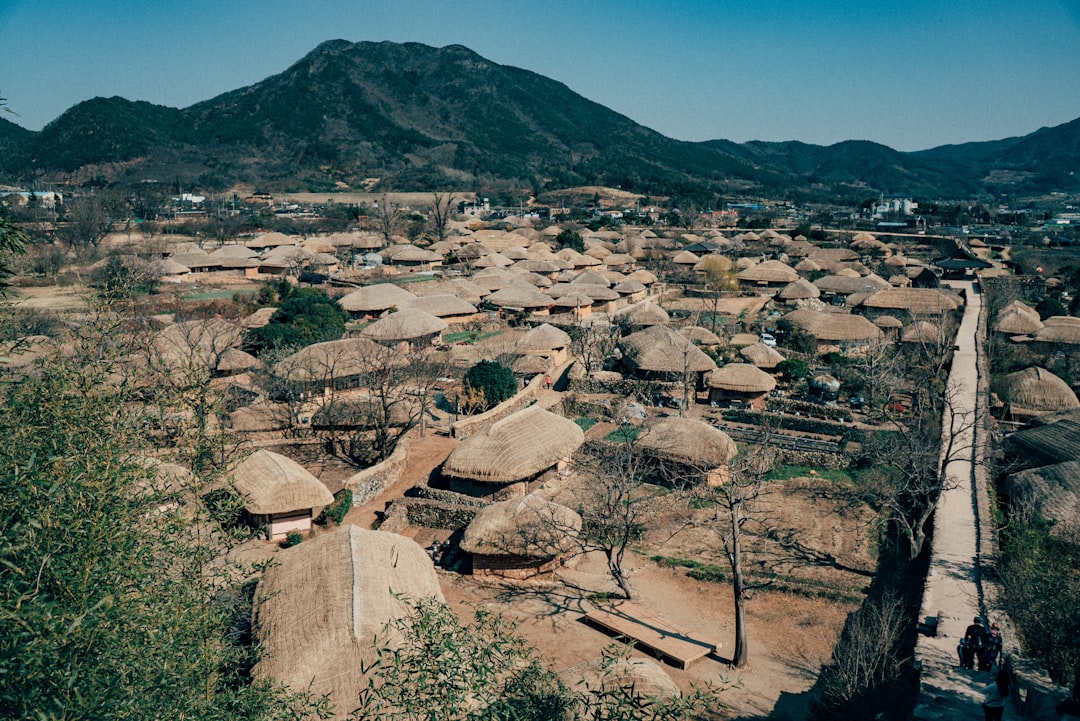
This is where my second day goes. It’s a traditional village built inside an old fortress wall structure, about 20 km from central Suncheon. Entry is 3,000 KRW. The village still has actual residents—it’s not completely converted to restaurants and souvenir shops, though that’s gradually changing. Walk the perimeter wall, about 1.4 km, and you get real views of what this place was.
Open 9 AM to 6 PM. Come around 11 AM when tour groups are still at the wetland. The narrow streets and traditional hanok houses (wooden Korean homes) are preserved well enough to feel authentic without being sterile. I’ve eaten lunch at small restaurants here three times and never had a bad experience.
Where to Eat
Suncheon-style Bossam (순천보쌈)
Bossam is pork wrapped in lettuce leaves—pretty standard Korean. But Suncheon has a distinctive version with a specific marinade style. Go to any local-looking restaurant near Suncheon Station. Around 25,000 KRW per order feeds two people easily. Most open 11 AM to 10 PM daily.
Nakji-bokkeum (Spicy Octopus Stir-fry) Near the Wetland
There are several small restaurants within walking distance of Suncheon Bay. Ask locals. I ate at a place run by a woman named Mrs. Choi (I don’t have the exact name written down—just look for the small place across from the public bathrooms) for 18,000 KRW and it was genuinely excellent. The octopus was fresh and the heat was controlled, not just burn-your-mouth spicy.
Practical Food Notes
Suncheon has a traditional market (Suncheon Jjimjilbang Market) open daily. It’s a good spot for street food and side dishes but crowded on weekends. Go on a weekday morning around 10 AM if possible. Prices are cheap—expect to spend 3,000-8,000 KRW per item.
Cash is still king at smaller places. There’s a GS25 convenience store next to Suncheon Station where you can grab coffee and kimbap before heading out for the day. A coffee is 2,500-3,500 KRW.
Honest Take
Suncheon works best for people who actually want to slow down and aren’t trying to hit 15 tourist destinations in one trip. If you need constant stimulation and nightlife, go to Busan or Daegu instead. The wetland in spring or fall is the main draw—winter can feel gray and winter visitors drop off noticeably. Summer is too humid and crowded. My advice: go in late April or mid-October. Skip the bay garden unless you’re already here for the wetland. Spend real time at Naganeupseong and actually eat there, don’t just walk through. One thing I genuinely wish I’d known before my first visit—the wetland is much bigger and better explored if you walk it rather than take the train they offer. The train cuts through the scenic parts too quickly. Walk it and give yourself time to see actual birds and the ecosystem working instead of rushing through. This place rewards patience.