Why You Should Actually Come Here (And Why You Might Not)
Namwon is one of those places that doesn’t show up in most Korea itineraries, which is both good and bad. I’ve been here maybe five times over the past three years, and honestly? It’s worth a day trip if you care about traditional Korean music and rural culture. It’s not worth it if you’re expecting Instagram moments or packed with other foreigners. The pansori performances are genuinely impressive—this is where the art form actually originated—but the town itself feels sleepy, sometimes to the point of being a bit depressing.
Getting There
From Seoul, you’ve got two realistic options. The express bus from Nambu Bus Terminal (Line 3, Nambu Bus Terminal Station) takes about 3 hours and costs 24,000 KRW one way. The regular buses are cheaper at around 18,000 KRW but take closer to 4 hours. Honestly, if you’re coming from Seoul, the express is worth the extra money—you save time and you’re not packed in like a sardine.
Most guides will tell you to take the train, but here’s what they miss: the train station is 5km outside the actual town center. You’d need a taxi or to catch a local bus, which adds 20 minutes and another 5,000 KRW. I made that mistake my first visit and wasted half the morning figuring it out. Just take the bus straight to the intercity bus terminal in the middle of town.
By Car
If you’re renting, it’s about 2.5 hours from Seoul via the Jungbu Expressway. Parking in town is easy and free pretty much everywhere.
What to Do and See
The Pansori Museum (판소리 박물관)
This is the main reason to come. Entry is 4,000 KRW, and it’s open 9 AM to 6 PM (closed Mondays). The museum itself is small—maybe 45 minutes if you’re reading everything, 20 minutes if you’re just walking through. But they have actual pansori performances in their small theater space on weekends at 2 PM and 4 PM. These are short performances (about 30 minutes), not the full multi-hour epics, but they’re still incredible if you’ve never seen pansori live. The singers have this raw intensity that videos don’t capture.
I’ll be honest though: the museum displays are pretty dry. Lots of text panels, some instruments behind glass, old recordings. If you don’t speak Korean well, you’ll miss context. They have English information sheets, but barely. Go for the performances, not the exhibits.
Chunhyang Theme Park (춘향테마파크)
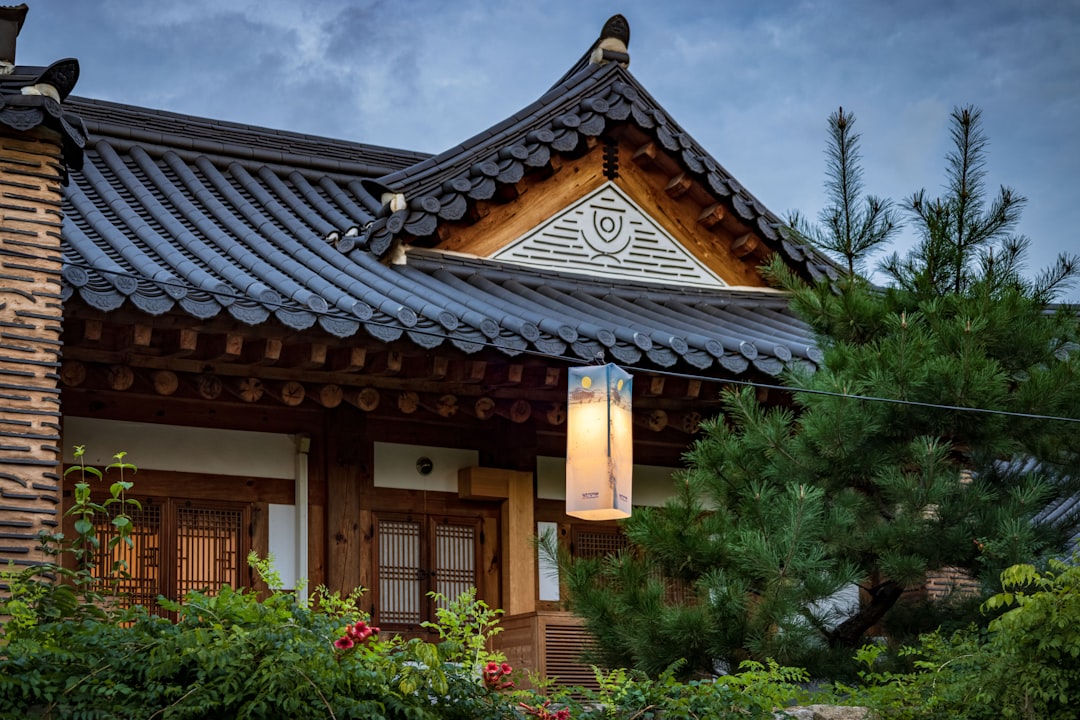
Okay, this one is a bit touristy and honestly kind of kitsch. Entry is 8,000 KRW. It’s a recreation of the Joseon-era village from the Chunhyang legend (one of the five classic pansori stories). You can walk around traditional houses, see traditional crafts, grab photos in hanbok costumes. It’s not terrible, but it’s not great either. I’d go on a weekday morning when there are fewer school groups. Weekends get packed with families, and the whole vibe becomes more chaotic tourist attraction than cultural experience.
Pro tip: the costume rental fee is separate (usually around 10,000-15,000 KRW for a few hours), and they’re not high quality. Skip it unless you really want the photos.
Namwon Culture Art Center (남원문화예술회관)
This is where you want to check for performances. It’s a proper venue (not touristy), and they regularly host pansori, traditional dance, and other performances. Ticket prices vary from 10,000 to 30,000 KRW depending on what’s on. Check their schedule before you go—sometimes there’s nothing interesting scheduled. When I visited last spring, they had a full pansori performance on a Saturday that was genuinely world-class. The space is nicer than the museum, the sound system actually works, and it feels like you’re seeing the art form the way it’s meant to be experienced.
Gwanghallu Garden (광한루원)
This is a traditional pavilion and garden overlooking the Namwon area. Entry is 3,000 KRW. It’s lovely for a peaceful walk, especially early morning, but don’t expect anything elaborate. It’s genuinely just a pavilion and some manicured grounds. Takes about 30 minutes to see. I went thinking it would be some massive historical site and felt slightly disappointed. But if you need a quiet break between other activities, it’s fine.
Local Markets
The traditional market area (near the bus terminal) is where locals actually go. It’s not sanitized for tourists, which I like. The fruit stands are cheap and good quality. The kimbap places are probably where you’ll actually want to eat lunch anyway.
Where to Eat and Practical Tips
Food
Namwon has a local specialty: jjim (steamed dishes). There are a few restaurants near the market serving jjim that are legitimately good. Expect to pay 10,000-15,000 KRW per person. I don’t have a specific recommendation because honestly they’re all pretty similar—pick whichever one has the most people in it.
For coffee and a break, there’s a decent café culture near the market area. Nothing fancy, but better than you’d expect from a small town.
Practical Tips
Bring cash. While Namwon isn’t completely stuck in the past, smaller restaurants and shops still prefer cash. There are ATMs around the bus terminal. The town is small enough to walk around the main areas, though there’s not much point in doing that all day.
Phones and internet work fine everywhere. English signage is pretty limited in smaller attractions, so Google Translate might come in handy.
Honest Take
Namwon is worth visiting if you’re genuinely interested in traditional Korean music and culture, or if you’re already traveling through South Korea for a week or more. It’s not worth the effort if you’re on a tight Seoul itinerary or just looking for pretty Instagram spots. Come in spring (April-May) or fall (September-October) for decent weather—I made the mistake of coming in August once, and the humidity was absolutely brutal with nothing air-conditioned except the theme park. Winter is too cold, and there’s less to do. The one thing I wish I’d known beforehand is that most pansori performances run on the weekends, so if you’re coming midweek, you might miss the actual performances and just be looking at a museum. Plan accordingly.