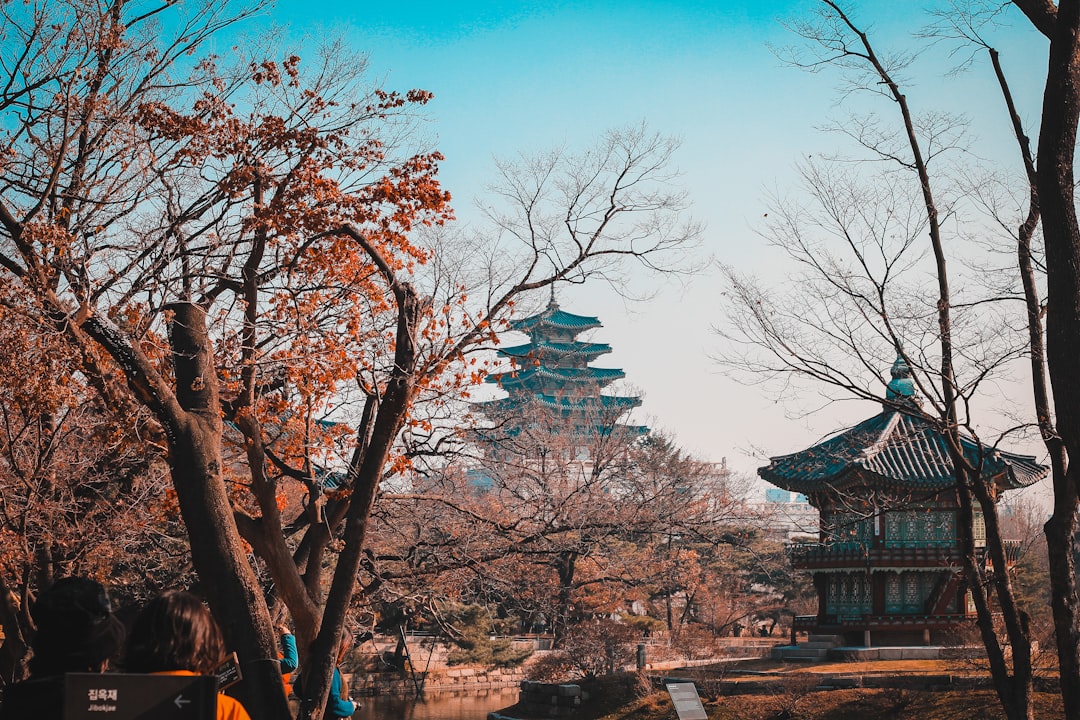
Opening
Suwon’s worth a day trip if you want actual substance, not Instagram moments. Most visitors spend a few hours wandering Hwaseong Fortress and call it done, which is a mistake—there’s a whole city here with better food and fewer tourists than you’d expect. I’ve been to Suwon maybe eight times now, sometimes just for the fortress, sometimes for the markets, and honestly, the best trips are when I do both and stay until evening.
Getting There
The easiest route is taking Line 1 from Seoul Station or Myeongdong Station directly to Suwon Station. It takes about 50 minutes, and you’ll pay 2,450 KRW one-way. The trains run every 3-5 minutes during the day, so you won’t wait long. If you prefer express trains, the KTX runs there too but costs 6,100 KRW and takes only 30 minutes—honestly overkill unless you’re in a rush.
Here’s what most guides miss: don’t exit through the main Suwon Station exit. Use Exit 3 instead. It dumps you closer to the fortress area and saves you about 10 minutes of walking. The main exit spits you out into a confusing plaza with too many taxis hassling you.
From the station, you have two options. Option one is taking a bus—numbers 11, 13, or 35 will get you to the fortress area for 1,250 KRW, about 15-20 minutes depending on traffic. Option two is grabbing a taxi, which costs around 7,000-9,000 KRW. When I’m alone, I take the bus. With friends or family, the taxi’s worth splitting.
What to Do / See
Hwaseong Fortress
The fortress itself is genuinely impressive. It’s a UNESCO site, built in the 1790s, and the walls stretch 5.74 kilometers around the old town. Entry costs 5,000 KRW, and it’s open from 9 AM to 6 PM (winter until 5 PM). The place is packed on weekends, especially between 11 AM and 2 PM. Go early or after 3 PM if you hate crowds.
The main attraction is walking the walls. You can do the full circuit in about 2-3 hours, or hit the highlights in 90 minutes. The best preserved sections are around Paldalmun Gate and Hwaseo Gate. The views are genuinely nice—you’ll see the old town below and the newer parts of Suwon sprawling beyond. I’d honestly recommend doing at least half the loop.
One thing that disappointed me: the fortress restoration work. They’ve been doing renovations for years, and on my last few visits, sections were blocked off or under construction. Check the official website before going because entire paths sometimes get closed without warning. It’s annoying when you’ve planned a specific walk.
The Hwaseong Haenggung Palace, inside the fortress grounds, is worth 3,000 KRW to enter if you’re curious about the royal aspects. But honestly, it’s mostly reconstructed buildings. The fortress walls themselves are the real draw.
Traditional Market Scene
Suwon’s market culture is actually interesting. Gwanggyo Market and Yeonpo Market are the big ones. Gwanggyo is closer to the fortress—about a 10-minute walk downhill toward the old town. It’s the more touristy option with street food, cheap clothes, and kitchen supplies. Yeonpo Market is less crowded and more local.
The street food here is genuinely good. Tteokbokki stalls, hotteok (sweet pancakes), and bindaetteok (mung bean pancakes) are all cheaper than Seoul. Most stalls run from 8 AM to 7 PM, but peak hours are lunch (11:30 AM-1:30 PM) and early evening (5-6 PM).
Where to Eat / Practical Tips
Suwon’s most famous food is fried chicken. Twice-fried chicken, specifically—they dip it twice instead of once, making it extra crispy. There are restaurants everywhere, but Chicktorian near Suwon Station (10-minute walk or quick bus ride) is legit. A serving costs around 12,000-16,000 KRW and serves 2-3 people. It’s actually better than most Seoul chains.
For proper meals, go to restaurants along Paldal-gu near the fortress. There’s a restaurant street where you can find galbi (short ribs), samgyeopsal (pork belly), and traditional Korean meals. Most mains run 10,000-15,000 KRW per person.
The practical advice locals know: bring a power bank. The fortress walking trails aren’t long on actual distance, but they’re tiring, and you’ll want your phone charged for navigation. The fortress itself has no shops or water stations along the walls—this surprised me the first time. Grab water and snacks before you head up.
Also, wear comfortable shoes. This cannot be overstated. The ground gets uneven, and you’ll regret trying to walk fortress walls in anything less than proper footwear.
One more thing: the fortress is better on cloudy or slightly cooler days. I visited in summer midday once and nearly died. The walls have zero shade, and you’re basically roasting on a sloped path for hours.
Honest Take
Go if you actually like walking historical sites and don’t mind a moderate workout. Skip it if you want a quick, easy day trip with minimal effort. The fortress isn’t a quick photo stop—it’s a legitimate 2-3 hour experience. The markets are worth 30-60 minutes, especially if you’re into Korean street food. I’d recommend doing both in one day: arrive at Suwon around 10 AM, fortress until 1 PM, lunch in the market area, then wander the old town streets for another hour. You’ll catch the train back to Seoul by 4 PM. The best time to visit is April-May or September-October when the weather is actually pleasant. Winter is freezing on those walls, and summer is just punishing. The one thing I wish I’d known earlier: the fortress is actually part of a larger old town area that’s underrated. The residential streets around the fortress walls have old hanok houses and local cafes that feel genuinely removed from Seoul chaos. That’s the real treasure, not just the fortress itself.