What You’re Actually Getting
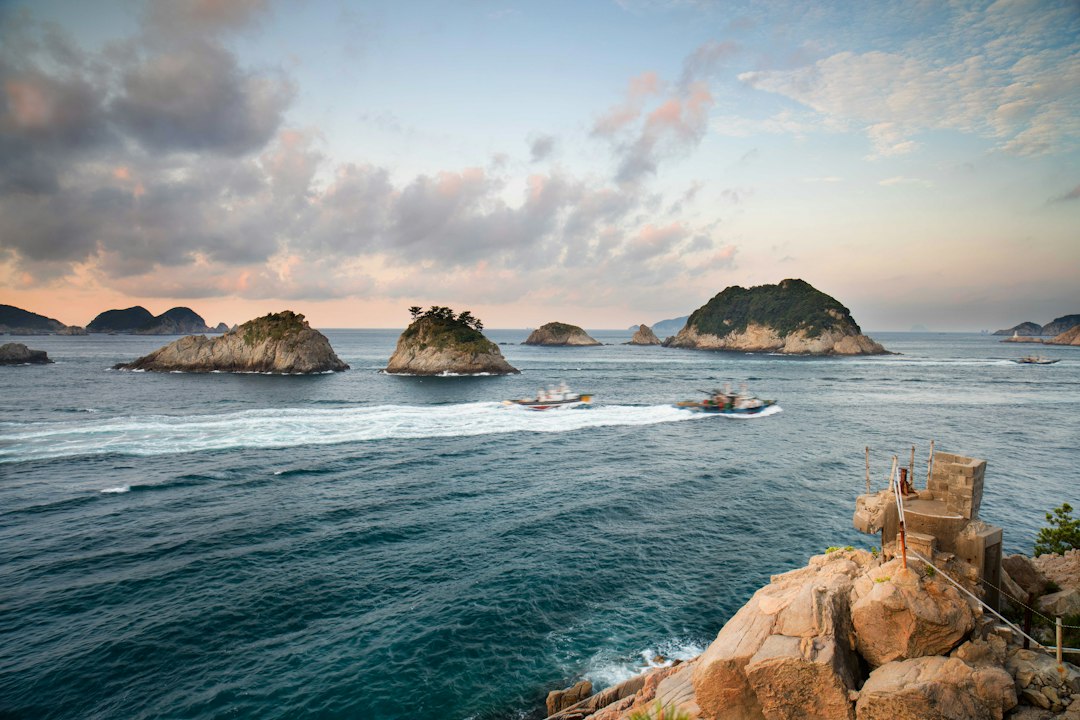
Geoje Island is worth the trip, but it’s not some undiscovered paradise—it’s a legitimate day trip or overnight escape if you’re tired of Seoul. I’ve been here three times now, and honestly, the sculpture parks are genuinely interesting, the seafood is fresh and reasonably priced, and the beaches are actually quiet. That said, it’s not a week-long destination. You’ll see most of what matters in 36 hours, and that’s fine. The island has a working fishing economy, which means you’re not walking into a tourist trap yet—but that’s changing.
Getting There
From Seoul, you’re looking at about 4 to 4.5 hours of travel time total. Take the subway to Seoul Station (or Gangbyeol Station if you’re in Gangnam) and grab an intercity bus. Expect to pay between 27,000 and 35,000 KRW depending on which terminal you leave from. The bus takes you directly to Geoje Bus Terminal in the center of town. You could also take a train to Busan and then another bus to Geoje, but that adds time and doesn’t save money.
Here’s what most guides miss: the bus terminal is nowhere near anything worth seeing. You’ll need to rent a car, take a taxi, or use local buses to move around. A rental car costs about 50,000 to 70,000 KRW per day if you book ahead online. I’d honestly recommend this—the island is spread out, and public transportation between attractions is sporadic. Taxis exist but drivers sometimes don’t know the smaller sculpture parks, which is annoying when you’re paying by the meter.
What to Do and See
Oedo Botania
This is a botanical garden on a small island connected by bridge and cable car. The entry fee is 16,500 KRW, and it takes about 90 minutes to walk through properly. Go early—I’m talking opening time at 9 AM—because tour groups from Busan start arriving around 11 AM and it gets cramped. The gardens are well-maintained, the views over the water are pleasant, and there’s a small café where you can sit for 20 minutes and decompress. The cable car ride is kind of a gimmick and costs extra (6,000 KRW round trip), but the walk is fine if you’re not in a rush.
Geoje Sculpture Museum and Park
This is the main draw. The museum itself is small—maybe 40 minutes inside—but the outdoor park is worth 1.5 to 2 hours. Entry is 9,000 KRW for both, which is reasonable. The sculptures are genuinely thoughtful; you’re not looking at random installations. There’s a café on the grounds with decent coffee (4,500 KRW) and a view of the water. Visit between 10 AM and 3 PM if you want decent light for photos. I’ve been at 4 PM on a cloudy day and it feels gloomy. The park isn’t crowded most weekdays, but weekends draw local school groups and families.
Windy Hill
This spot gets recommended in every list, and honestly? It’s fine. You walk up a short path, there are some sculptures, and you get a view of the coast. Entry is 5,000 KRW. I spent 30 minutes there and didn’t feel like I was missing anything by staying shorter. If you’re already doing the sculpture museum, you can skip this. If you want somewhere calm to sit for 10 minutes and think, it works. The gift shop tries too hard to sell you things.
Beaches: Mongdol Beach and Hakdong Beach
Mongdol Beach is the closer option and has a rocky shoreline with interesting stone formations. It’s not a swimming beach, but it’s peaceful, and you can actually be alone there for stretches. There’s a small restaurant right on the beach serving grilled fish and basic Korean food. Hakdong Beach is sandy, cleaner for actually swimming, and has more amenities. Both are free. Go in the early morning or late afternoon if you want to avoid other people. In summer, they fill up by midday.
Where to Eat and Practical Tips
Geoje’s real advantage is seafood. The price-to-quality ratio beats Seoul by a significant margin. Near the bus terminal, there’s a strip of restaurants serving local catches. A bowl of fresh sashimi (회) runs 12,000 to 18,000 KRW and is genuinely better than what you’d pay 30,000+ for in the city. Abalone (전복) grilled with butter is a specialty—expect around 20,000 to 25,000 KRW for a decent portion. The restaurants don’t have English menus, but you can point and communicate with the staff. They’re used to it.
For seafood that’s more accessible, hit one of the pojangmacha (street food tents) near the waterfront. Grilled scallops, squid, and mussels cost 5,000 to 8,000 KRW each and you can eat standing up while watching fishing boats. This is how locals eat, and it’s worth doing.
Stay overnight if you can—rushing back to Seoul the same day defeats the purpose. There are decent minbak (guesthouses) and small hotels for 60,000 to 100,000 KRW per night. Nothing fancy, but clean and quiet. Book ahead on Naver Hotel or Yanolja.
Practical note: bring cash. Some smaller restaurants and beach vendors don’t accept cards. The ATM at the bus terminal works fine, but don’t assume your card will work everywhere.
Who Should Go, Who Should Skip It
Visit Geoje if you want to get out of Seoul without flying, you like sculpture and art, or you just want to sit by the ocean for a day. Don’t come expecting a beach resort or nightlife—there’s almost nothing after 9 PM. Skip it if you’re only in Korea for a week and want maximum cultural impact; spend that time in Gyeongju or Jeonju instead. The best time to visit is May through June or September through October—the weather’s stable, and it’s not oppressively hot. Winter is gray and quiet, which some people love and others find depressing. What I wish I’d known before my first trip: the island is bigger than it looks on a map, so having a rental car isn’t optional if you want to see more than one thing without spending half your time waiting for local buses.