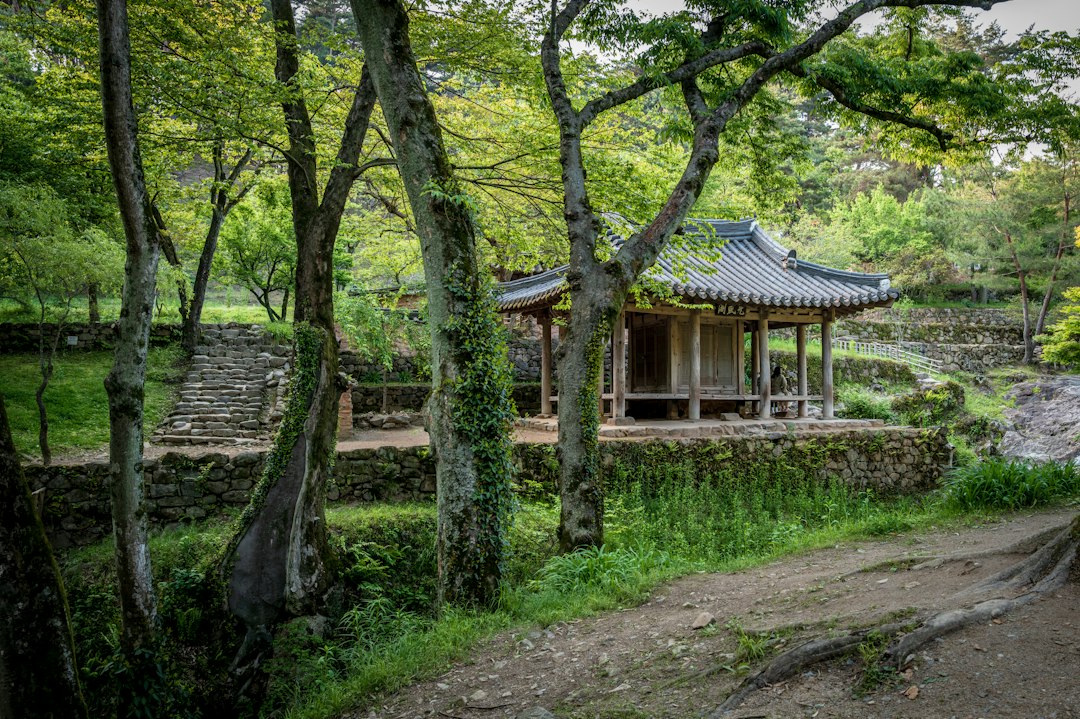
Why Damyang?
Damyang is worth a day trip if you actually like walking through bamboo forests and don’t mind crowds. I’ve been maybe five times now, and I’ll be honest—it’s beautiful, but it’s also exactly what every Instagram post makes it seem like. The bamboo grove is genuinely stunning, especially on overcast days when the light filters through properly. Beyond that, the local food is the real draw for me. The Korean army stew here is legitimately different from what you get in Seoul, and the bamboo shoot dishes are actually worth trying, not just looking at.
Getting There
From Seoul, you have two realistic options. Take Line 2 to Gangnam Station, then catch the intercity bus headed to Damyang—this is the route most people use. The bus costs about 9,500 KRW and takes roughly 90 minutes depending on traffic. It leaves from the Kangnam Express Bus Terminal, which is directly connected to the station, so that part is easy. The second option is taking Line 1 to Seoul Station and catching an express bus for 11,000 KRW, which takes about 75 minutes but leaves less frequently.
Here’s what most guides get wrong: they tell you there’s a direct train. There isn’t anymore. The train station in Damyang exists, but the regular passenger service got downgraded years ago. You’ll see old blog posts about it constantly. Stick with the bus. Once you arrive at Damyang Bus Terminal, you need a local bus or taxi to get anywhere useful. A taxi to the bamboo forest costs about 6,000-8,000 KRW. I usually take a taxi because the local bus system is confusing if you don’t read Korean well, and waiting time eats into your actual time there.
What to Do and See
Bamboo Forest (Damyang Bamboo Forest)
This is the main event, obviously. Entrance fee is 5,000 KRW. The walking path is about 1.2 km and takes roughly 40 minutes if you’re not stopping constantly for photos. Go in the morning if you possibly can—I mean before 10 AM. Once the tour buses start arriving around 10:30, it gets packed. I went on a Tuesday morning in late spring and saw maybe 20 other people the whole walk. Same Saturday? Probably 300 people, and everyone’s trying to get the same angle.
The forest itself is exactly as it looks online, which is both good and disappointing depending on how you think about it. The light is genuinely impressive, and standing there, you do feel like you’re somewhere different. But it’s also a manicured walking path through a managed grove. It’s not like you’re discovering some wild bamboo wilderness. The path is wide, well-maintained, and honestly a bit sterile if you go when it’s crowded.
Opening hours are 9 AM to 6 PM most of the year, but check before you go since they adjust seasonally. No real crowd management, just general courtesy when you pass people coming the other direction.
Damyang Bamboo Museum
Right next to the forest entrance. Honestly, I’d skip it. Entry is 3,000 KRW, and it’s basically a small exhibition about bamboo crafts and history. Most of it is in Korean only. I spent about 15 minutes there before getting bored. The museum isn’t bad exactly—it’s just not particularly engaging unless you’re genuinely interested in the technical aspects of bamboo handicrafts. Many tourists go in expecting something more experiential, and it’s just display cases.
Jjimjilbangs and Rest Areas
There are actual jjimjilbangs (Korean saunas) in the area around the bamboo forest. This isn’t something most guides mention, but it’s useful. After hiking, you can actually go sweat it out properly for about 8,000-12,000 KRW depending on the facility. It’s very local experience. I’ve done it twice, and it’s a nice wind-down before heading back to the bus terminal.
Where to Eat and Practical Tips
Food Scene
The bamboo shoot (죽순) dishes are genuinely why you should come eat here. There’s a stretch of restaurants near the bamboo forest that serve them in various forms. Try the bamboo shoot kalguksu (knife-cut noodles)—it’s around 9,000-11,000 KRW per bowl and completely different from what you’ll find in Seoul. The bamboo actually has a subtle, slightly sweet flavor that works well with the chewy noodles.
Korean army stew (부대찌개) is another thing Damyang does differently. I’m not sure exactly why, but the versions I’ve had here are less aggressively spicy and have better broth balance than Seoul spots. Most places charge 10,000-13,000 KRW per person. Go to one near the market area rather than the touristy spots directly by the forest—you’ll get locals eating there and better value.
The Damyang Traditional Market (open every day, busiest on weekends) has good gochujang and soy sauce if you want to bring something back. It’s nothing extraordinary, but the gochujang from local producers is slightly cheaper than supermarkets, and the vendors are friendly. Grab some bamboo shoot snacks here too—they’re overprice tourist items, but they make decent gifts and actually taste decent.
Practical Local Knowledge
Bring a water bottle. Genuinely. The walk through the forest is easy, but there are no water fountains inside, and in summer it gets hot and humid. There’s a convenience store at the entrance, but expect to pay 3,500 KRW for a bottle of water.
Wear good shoes. The path gets genuinely muddy when wet, and after rain the bamboo drips constantly. I learned this the hard way wearing white sneakers.
The best time to visit is late April through early June or September through October. Summer is incredibly humid and crowded. Winter is fine, but the bamboo looks less impressive. Fall is probably ideal—manageable temperatures and the light quality is beautiful.
Honest Take
Go to Damyang if you want a manageable half-day excursion from Seoul and you actually want to eat good local food. Skip it if you’re expecting some profound nature experience or think seeing the bamboo forest is essential to understanding Korea. It’s a nice Instagram location and the food is genuinely better than you’d expect, but it’s not transformational. You’d get the most out of it by arriving early morning, doing the walk by 11 AM, eating lunch at a non-touristy restaurant, and heading back. Try the bamboo shoot noodles, skip the museum, and if you go on a weekend, just accept that you’ll be surrounded by people. The one thing I wish I’d known early on is that going on a weekday makes a massive difference—it’s almost a different experience. That said, if you only have one shot at visiting, go ahead. Just manage your expectations.