Why Incheon Matters (And Why It Doesn’t)
Look, Incheon isn’t Seoul. It’s not even trying to be. But that’s exactly why I keep coming back. You get the DMZ experience without the tourist treadmill, actual fishing villages where people still live and work, and seafood so fresh it’s almost aggressive. The city has real bones to it—industrial port vibes mixed with these quiet island communities that feel forgotten by time. That said, it’s also sprawling, sometimes feels disconnected, and you’ll need patience with the transit system. It’s worth two days if you want something different. It’s skipable if you just want Instagram photos.
Getting There
From Seoul Station, take the Incheon Metro Line 1 directly to Incheon. It takes about 65 minutes and costs 4,250 KRW. You can also grab the Airport Railroad from Gimpo Airport (30 minutes, 5,000 KRW) if you’re coming from the airport, which honestly makes sense logistically.
The thing nobody mentions? The subway system in Incheon is smaller than Seoul’s, which means fewer exits, fewer English signs, and you’ll need to know your destination ahead of time. Download Naver Map or Kakao Map before you go. Seriously. Don’t rely on Google Maps here—it works maybe 60% of the time.
Buses are cheap (1,250-2,500 KRW depending on distance) but require the T-money card, which you can grab at any convenience store for 2,500 KRW. Taxis run about 3,000-4,500 KRW for most in-city trips. I usually just walk and use the bus system once I’m in the area I want to explore.
What to Do and See
Demilitarized Zone (DMZ) Tour
This is the main draw, and for good reason. Most operators pick you up from Incheon between 8-9 AM, drive you to the DMZ, and you’re back by 4 PM. Tours cost 60,000-90,000 KRW depending on which area you visit. I’ve done the Odusan Unification Observatory route twice.
You’ll see North Korea from about 500 meters away. It sounds dramatic, but it’s real—you can see soldiers, buildings, propaganda speakers. The observatory itself is clean, organized, and honestly a bit sterile. Go early (tours leaving before 10 AM have lighter crowds). Most people come mid-morning or afternoon, so you’ll be packed. The whole experience takes about 2-3 hours on-site.
One warning: bring a fully charged phone and don’t expect much of a phone signal. I had to pay 5,000 KRW for a tour operator’s SIM card to contact my ride back. The gift shops are overpriced but unavoidable—plan 15,000-30,000 KRW if you want souvenirs.
Songdo Central Park and IFC Mall
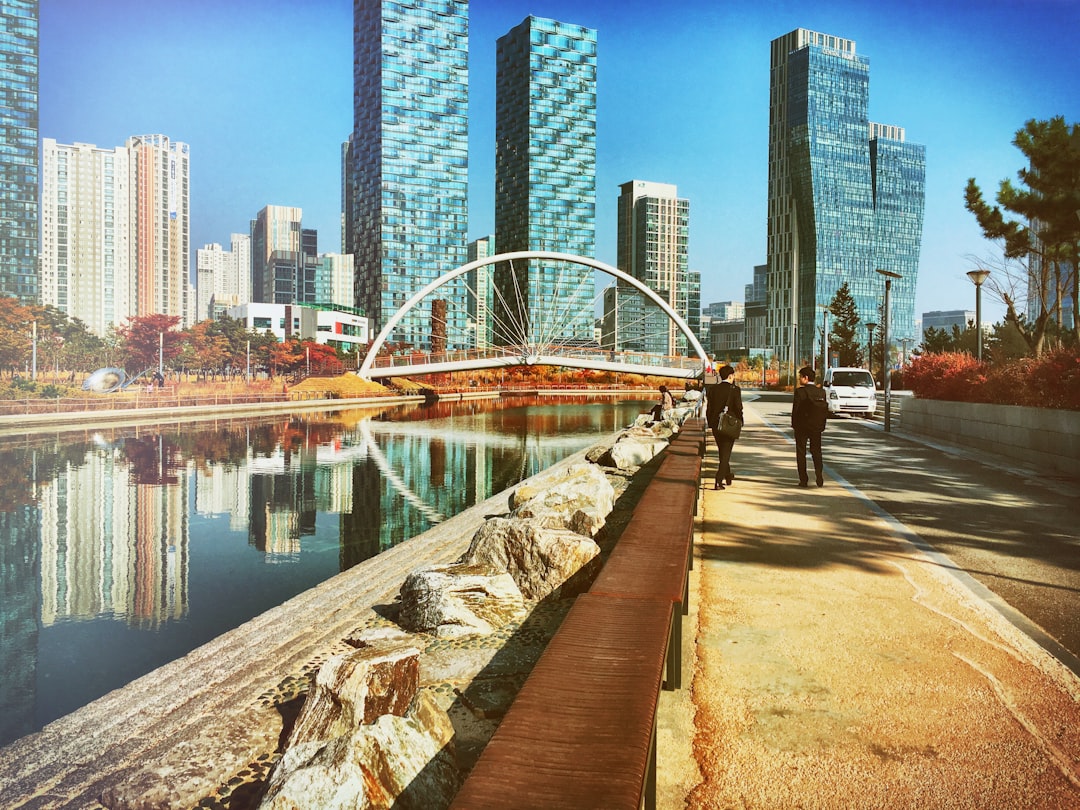
Songdo is Incheon’s new downtown. It’s planned, it’s clean, it’s kind of boring if I’m honest. But Central Park is genuinely nice for a walk—12 kilometers of landscaped waterfront, though most tourists only do 2-3 kilometers. Free to access, open dawn to dusk. I go here for a coffee and walk when I need to decompress, not for sightseeing.
IFC Mall is South Korea’s tallest building in terms of retail space. It’s massive, shiny, and full of the same brands you see everywhere else in Korea. Skip it unless you’re desperate for clothes or want to climb to the observation deck (admission 8,000 KRW, open 10 AM-10 PM). From up there, you can see the airport, the port, and flat industrial landscape for miles. Mildly worth it on a clear day. Not worth it if it’s hazy.
Wolmi Island
Take Metro Line 1 to DongIncheon Station (Line 1), then follow signs to Wolmi Island. It’s about a 15-minute walk. This place is genuinely good. There’s a small amusement park (rides 5,000-8,000 KRW each if you care about that), seafood restaurants packed with actual Korean families, and a theme park called Wolmisa Land.
The real value is the seafood restaurants along the waterfront. Prices are 12,000-25,000 KRW for main dishes. I ate grilled squid here that cost less and tasted better than places charging triple in Seoul. Crowds peak around lunch (11:30 AM-1:30 PM) and dinner (5:30-8 PM). Go at 3 PM or 9:30 AM if you want space to breathe.
The waterfront walk itself is free and takes about 40 minutes at a normal pace. You’ll see fishing boats, the port, and the occasional tour group. I didn’t find it revolutionary, but it’s honest and unpretentious.
Ganghwa Island
This is my actual recommendation if you only have time for one island. Take Bus 2, 3, or 13 from Incheon Station directly to Ganghwa (about 50 minutes, 3,500 KRW). It’s a working farming and fishing community, not a resort destination. You’ll see fields, old temples, fishing villages where tourists barely exist.
Jeondeungsa Temple is worth visiting (admission 3,000 KRW, open 9 AM-5 PM). It’s centuries old, quiet, and the monks will actually talk to you if you’re respectful. The walk around the grounds takes 20-30 minutes. Don’t expect grandeur—expect authenticity.
Ganghwa Ginseng Festival happens in October, but even without events, there are small restaurants serving fresh ginseng chicken soup for 12,000-15,000 KRW. I’ve been here five times and never regretted it.
Where to Eat and Practical Tips
Wolmi Island is your best bet for seafood. Try any restaurant with tanks of live fish—point at what you want, they cook it in front of you. Budget 40,000-70,000 KRW for two people with drinks.
For casual eating: convenience stores (CU, GS25, Emart24) are everywhere, cheap, and fine if you’re in a rush. Kimbap restaurants cost 5,000-7,000 KRW per bowl. There’s nothing special about Incheon’s food scene except for the seafood.
Practical thing most guides miss: credit cards aren’t as universal here as in Seoul. Bring cash. I’ve hit three restaurants where the card machine broke and cash-only was the only option. Also, most places close between 3-5 PM. Don’t plan a meal at 4 PM unless you want convenience store food.
Honest Take
Go to Incheon if you want the DMZ experience and don’t want to spend a full day on a larger DMZ tour. Go if you like fishing communities and aren’t expecting luxury. Go if you want fresh seafood and lower prices than Seoul. Skip it if you only have 24 hours in Korea total—pick Seoul or Busan instead. Skip it if you need high-energy nightlife or nightlife at all, honestly. The best time is September through November when weather is stable and seafood is in full supply. Winter gets cold and grey, summer is humid. The one thing I wish I’d known earlier: you can’t see North Korea in bad weather, and forecasts sometimes change last-minute. Build in flexibility or you might waste 60,000 KRW on a cloudy-day tour where you see basically nothing.