Opening
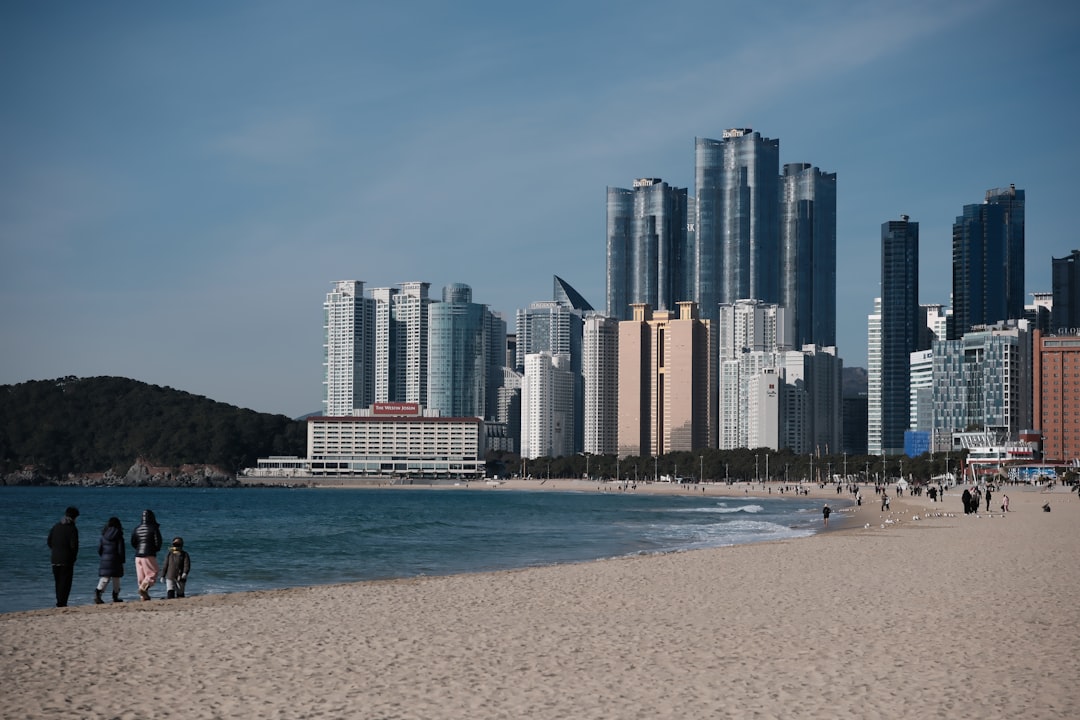
Look, everyone goes to Haeundae Beach and calls it a day. I get it—it’s convenient and Instagram-friendly. But honestly? You’re missing the actual Busan if that’s all you see. I’ve been here enough times to know where locals actually spend their weekends, and it’s not fighting for beach space with 50,000 other tourists. The neighborhoods beyond the main drag have character, real food, and way fewer people taking the same photo you are.
Getting There
From Seoul, take the KTX train from Seoul Station or Yongsan Station to Busan Station. It costs between 59,000–79,000 KRW depending on if you book advance or buy day-of, and it takes 2 hours 40 minutes to 3 hours. The trains run every 15–20 minutes during peak hours, so don’t stress about missing one.
Once you’re at Busan Station, the city’s subway system is straightforward. Line 1 and Line 2 circle the city, and a single ride costs 1,250 KRW with a transit card (Cashbee or Korail card—buy one for 2,500 KRW at any convenience store). A day pass costs 4,000 KRW and covers unlimited rides on the metro and most buses.
Here’s what most guides get wrong: they tell you Busan Station is “in the center.” It’s really not. It’s southeast of the main action. When I first arrived, I wasted an hour figuring out how to get west toward neighborhoods like Seomyeon and Choryang. Download Naver Map or Kakao Map (not Google Maps—it’s garbage in Korea). Seriously. Do this before you land.
What to Do / See
Choryang: Street Art & Coffee Culture
Take Line 1 to Choryang Station (Exit 1). This neighborhood is small, quiet, and absolutely packed with independent coffee shops and street art galleries. It’s the kind of place that makes you wonder why you ever went to Myeongdong.
The main draw is Choryang Culture and Art Village, a restored hillside neighborhood covered in murals and local artist studios. Admission is free. You can walk through in about 45 minutes, but if you stop at every shop (and you will), expect 2–3 hours. I went midweek in April around 10 a.m. and practically had the place to myself. Weekends get busier but still way less crowded than Haeundae.
There’s a coffee shop called Ddadda that roasts their own beans. A flat white runs 6,000 KRW. The owner speaks English and will chat about the neighborhood’s history if you’re interested. Next door is a small gallery with rotating exhibits—usually prints, photography, or local ceramics. Most pieces are reasonably priced if you’re looking to buy something small.
Seomyeon: Nightlife & Shopping (But Actually Good)
Line 2 to Seomyeon Station. This is busier than Choryang, but it’s where young locals actually go, not tourists. The main street has clothing boutiques, bars, and restaurants that don’t cater exclusively to foreigners.
I’d skip the main drag’s obvious spots. Instead, duck into the side alleys. There’s a noraebang (karaoke) on the third floor of a building off the main street—I can never remember the exact name, but any local can point you toward it. Budget 25,000 KRW per person for an hour. Go after 11 p.m. if you want fewer families and more actual college kids.
For food, Seomyeon is your best bet. There’s a restaurant called Daepo Hoe Sashimi House that does raw fish sets for 15,000–25,000 KRW per person. It’s always packed, no reservations, first-come basis. Go early or wait 30 minutes. Worth it.
Gamcheon Culture Village: Skip It or Go Very Early
I’m being honest here—this place is massively overhyped. Yes, it’s colorful. Yes, the houses stacked on the hillside are photogenic. But it’s become a zoo. When I visited on a Saturday at 2 p.m., I couldn’t move. The narrow alleys were shoulder-to-shoulder with people taking selfies. Entry is free, but you’ll pay 3,000–5,000 KRW at five different photo stops claiming to be “official” viewpoints.
If you absolutely must go, arrive by 8:30 a.m. or after 6 p.m. I went back at 7 p.m. once and it was actually decent. You could see the houses and the sunset without getting shoved. The restaurants and shops on the main strip are overpriced tourist traps—a simple kimbap costs 8,000 KRW instead of the normal 3,000 KRW. Line 1 to Toseong Station, then a taxi for 7,000 KRW, or walk up the hill if you’re feeling ambitious (it’s steep).
Taejongdae: Cliff Views Without the Crowds
This is legitimately underrated. It’s a coastal cliff park on the southern tip of the peninsula with actual walking trails, not just a beach. Take Line 2 to Nampo-dong Station, then transfer to the coastal tram (yes, Busan has a tram line—it’s kind of charming). The tram costs 1,250 KRW and takes 20 minutes. Get off at the last stop.
The park entrance is free. There’s a lighthouse, a small temple, and about 2 km of walking trails with views of the Korea Strait. I’ve been here five times and never seen it crowded. Bring your own snacks—there’s one cafe and it’s pricey. The walk takes 45 minutes to an hour depending on pace. Go in late afternoon for the best light.
Where to Eat / Practical Tips
Busan’s seafood is genuinely better than Seoul’s, but you don’t need to eat at the tourist-trap restaurants near the fish market. In Seomyeon, grab lunch at any random kalguksu shop—thick noodle soup for 8,000 KRW. Find a place with older Korean customers, not one with English menus in the window.
For budget meals, go to Biff Square (near Nampo-dong Station), a collection of tiny restaurants each specializing in something. I love the fried pork cutlet places—tonkatsu for 10,000 KRW. It’s touristy but legitimate. ATMs are everywhere, but carry cash. Many small shops are cash-only.
One practical thing: if you’re staying overnight, skip the big hotels near Haeundae. Guesthouses in Choryang or around Seomyeon cost 40,000–60,000 KRW and you’ll actually experience the city. I’ve stayed at a place called Choryang Guesthouse three times and always come back.
Honest Take
Go to Busan if you want to see what Korea looks like beyond the Seoul bubble, or if you need a beach and mountains in the same place. Skip it if you hate crowds (well, skip Gamcheon at least) or if you only have 24 hours—you’ll just rush through the famous spots and leave frustrated. The best time is May or September when the weather is decent and it’s not peak summer tourist season. And here’s what I wish I’d known before my first trip: bring comfortable walking shoes. The neighborhoods I actually enjoyed were the hilly ones where you’re constantly going up and down. Your feet will thank you more than your Instagram followers will.