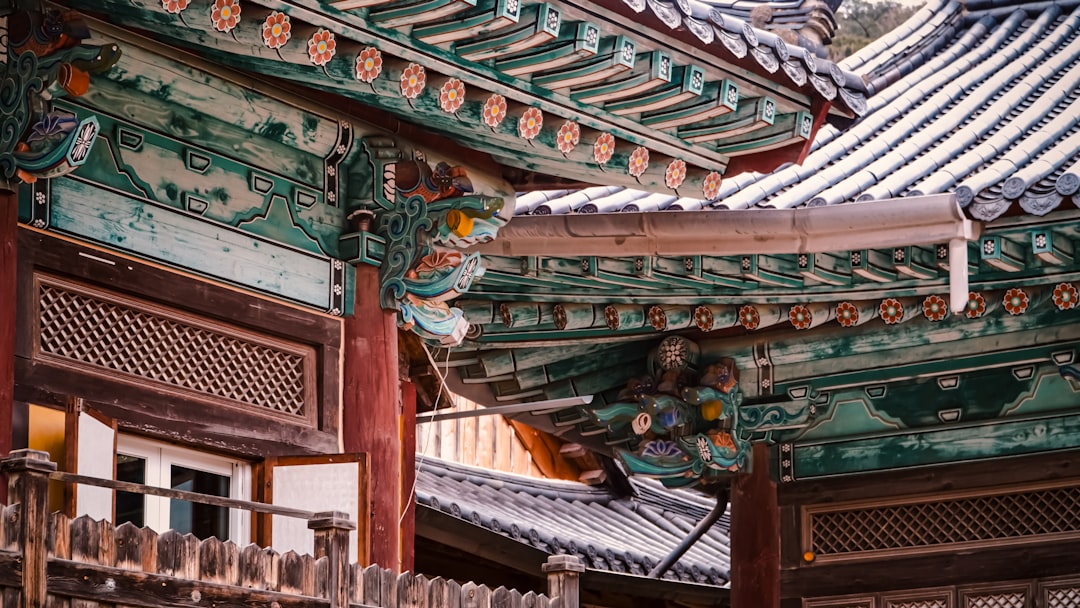
Why You Might Actually Want to Go to Yangsan
Yangsan isn’t on most tourist itineraries, and honestly, that’s kind of the point. It’s an industrial city about an hour south of Busan where you can see actual working factories, soak in decent hot springs, and eat food that locals have been perfecting for decades without any Instagram hype. When I first went three years ago, I was skeptical—it looked like any other Korean industrial town on the map. But I came back. The place doesn’t try to be cute or touristic, which somehow makes it more interesting than places that do.
Getting There
From Seoul
Take the KTX (Korea Train Express) from Seoul Station directly to Yangsan Station. The journey takes 2 hours 40 minutes and costs about 55,000 KRW for a standard seat. Trains run roughly every 30 minutes during the day. This is genuinely your best option—way easier than driving or messing with buses.
From Busan
If you’re already down in Busan, take Line 2 of the Busan Metro toward Jangsan. Get off at Nampo Station and transfer to the Busan-Yangsan train (Donghae Line). The whole trip takes about 1 hour 15 minutes and costs around 3,000 KRW. Most tourism guides won’t mention this route, but it’s actually quicker than going through Busan’s bus terminals.
Local Transport Once You’re There
Yangsan Station connects to the local bus system. The main tourist sites are spread out, so you’ll want to either grab a taxi (usually 15,000-25,000 KRW depending on distance) or use the local buses. Bus fares are 1,250 KRW for a single ride. I’d honestly recommend renting a car for the two days if you want flexibility—parking is cheap and abundant, unlike Seoul or Busan.
What to Do and See
Yangsan Industrial Tourism Site
This is the main draw if you’re into industrial heritage. It’s basically a cluster of old factory buildings and foundries turned into exhibition spaces. Entry is 5,000 KRW per person. The place operates from 9 AM to 6 PM most days (closed Mondays), though I’d call ahead to confirm because their schedule isn’t always updated on their website.
Go in the late afternoon (after 4 PM) if you want fewer people around. Morning groups are usually tour buses from Busan schools. The most interesting part is the foundry museum where you can actually see metal casting demonstrations some days. But I’ll be honest—it’s not going to blow your mind. The exhibitions are dated, the English signage is sparse, and you’ll probably spend 90 minutes here max. The value is more in the atmosphere than any specific artifact.
Tongdosa Temple Hot Springs (Tongdosa Onsen)
This is where Yangsan actually delivers. The onsen district sits about 20 minutes from the industrial site. There are several facilities, but Tongdosa Hot Springs Resort is the biggest. Entry is around 15,000 KRW for a day pass (add 5,000 KRW if you want to rent a towel set). Hours are 6 AM to 11 PM.
The water is genuinely hot—about 60-65 degrees Celsius depending on which pool you’re in—and it comes from natural springs. Go early morning (before 9 AM) or after 7 PM to avoid families and weekend crowds. The water smells faintly sulfuric, which is actually a good sign. I’ve soaked in plenty of overrated onsen across Korea, but this one is legitimate. There’s also a sauna and cold pool included with entry. Bring a small towel from your hotel unless you’re renting the towel set.
Naewon Market
This is a traditional Korean market with textiles, produce, kitchenware, and dried goods. It’s not as massive as Seoul’s Namdaemun, but it’s real and not set up for tourists. Operating hours are roughly 8 AM to 6 PM most days, though vendors pack up earlier on slow days. No entry fee. I went expecting nothing and actually found some decent local snacks and tea. It’s 15 minutes on foot from Yangsan Station if you don’t mind wandering, or one bus ride.
Where to Eat
Nakji-bokkeum (Stir-Fried Octopus)
There’s a reason Yangsan has a reputation for this dish. Head to any restaurant near the industrial tourism site, particularly around lunchtime. Expect to pay 12,000-18,000 KRW for a full plate. The octopus is chewy in the right way, cooked with gochugaru (Korean red pepper flakes) and vegetables. I’d recommend going for lunch around 11:30 AM before the lunch rush.
Street Food at Naewon Market
Buy tteokbokki (rice cakes in spicy sauce) from vendors here—it’s around 3,000-5,000 KRW depending on portion size. The vendors have been working the same spots for years and know what they’re doing. Grab it and eat while walking through the market. It’s more authentic than any “experience” restaurant.
Kalguksu (Hand-Cut Noodle Soup)
Find a small family-run spot in the residential streets and you’ll pay 8,000-10,000 KRW for a huge bowl. These restaurants are everywhere in Korea, but the ones in Yangsan feel less polished and more genuine. Ask locals for recommendations—they’re always helpful and won’t steer you wrong.
Practical Tips
Yangsan Station has a small convenience store and basic facilities, but nothing fancy. Grab cash from the ATM here if you need it—not all restaurants accept cards. Weather in late spring (May) and early autumn (September) is ideal. Summer gets humid and sticky, and winter isn’t particularly interesting for this kind of trip. Most signs are in Korean only, so having a translation app on your phone actually matters here more than in Seoul.
One thing I wish I’d known before my first visit: there’s no English-language tourism information center that actually helps. The one near the station directs you to the same three spots repeatedly. Do your own research or ask locals—they’re usually friendlier when you approach them directly than when you’re obviously following a guidebook.
Honest Take
Yangsan makes sense if you’re already in the Busan area and want to break up your trip with something quieter and less touristy. It’s also good if you’re genuinely interested in Korean industrial history or just want to experience a real, unglamorous Korean city. Skip it if you only have time for one day in the Busan region—Busan itself has more concentrated attractions. And definitely skip it if you hate hot springs or aren’t interested in foundries and markets. The best time is late spring or early fall when the weather is stable. Go knowing you’re not going to Instagram a bunch of stunning photos. You’re going to soak in hot water, eat good food, and see how most Koreans actually live outside the major cities. That’s worth the train ride.