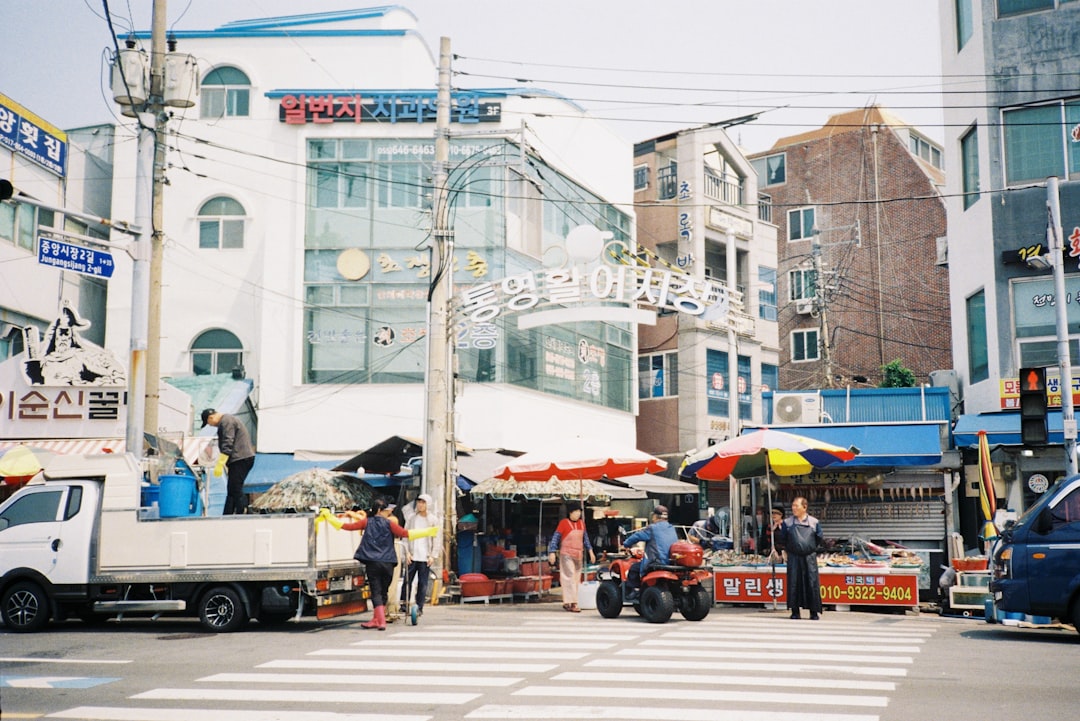
Why Tongyeong, and Why Maybe Not
Tongyeong is one of those places that catches people off guard. It’s a coastal city 4 hours south of Seoul where the seafood is genuinely cheap and fresh, where you can actually see the water, and where you won’t trip over 500 other tourists taking the same photo. I’ve been here maybe six times now—sometimes as a day trip when I was burnt out on Seoul, sometimes to eat my weight in raw fish. The downside? It’s not Instagram-famous for a reason. It’s quieter than you’d expect, the beaches aren’t that impressive compared to places like Busan or Jeju, and if you come in winter (which I did once), it can feel a bit dead. But if you want an actual break with good food and a bit of island hopping, it works.
Getting There
Most people recommend taking the KTX train from Seoul. Here’s what actually works: depart from Seoul Station or Cheongnyangni Station on the Gyeongbu Line. The journey takes about 4 hours 10 minutes and costs 43,500 KRW. You could also take an express bus from Dong Seoul Bus Terminal (Gangbyeon Station on Line 5), which costs around 32,000–35,000 KRW and takes 4.5–5 hours, depending on traffic. The train is faster and less cramped, but the bus is cheaper if you’re watching your won.
Here’s what nobody mentions: once you get to Tongyeong station, you need to take a local bus or taxi to the waterfront areas. The station isn’t near anything. Most taxis from the station to the main port area (where ferries and restaurants cluster) run about 8,000–10,000 KRW. I wasted 20 minutes walking around the station area my first visit thinking I was closer to the action than I actually was.
What to Do and See
Tongyeong Port and Seafood Market
The real reason to be here is the port. It’s basically where fishing boats unload their catch daily, and restaurants literally sit on top of the market. I’d recommend arriving around 10 AM to catch the morning activity. The main market, Tongyeong Jungang Market, sits right at the harbor. It’s free to walk around. You’ll see tuna, squid, abalone, sea urchin—whatever the boats brought in that morning. Prices vary, but if you buy directly from the market stalls to eat somewhere nearby, it’s 60–70% cheaper than Seoul.
Dongpirang Wall Art Village
This is the spot that every Korean travel blog pushes. It’s a hillside neighborhood where artists painted murals on houses. The concept is charming: narrow alleyways, colorful walls, photo opportunities everywhere. Honestly? By 2026, it’ll probably be even more crowded than when I last went. It takes about 40 minutes to walk through if you’re not stopping constantly, and entry is free. The problem is it gets packed by midday, especially weekends. Go early, like 8:30 AM, or you’ll spend half your time waiting for strangers to move out of your shot. The vibe is more “Instagram photo spot” than “authentic cultural experience,” but the alley cafes serve decent coffee for 5,000–7,000 KRW.
Hallyeo Maritime National Park and Island Ferries
This is where I actually enjoyed myself. From Tongyeong port, you can take ferries to several small islands. The most popular is Bijindo Island (비진도), about 15 minutes by ferry. Round-trip ferry costs 14,000 KRW per person. The island has small hiking paths, beaches, and it feels genuinely removed from everything. Ferries run roughly every 1–2 hours. Check the schedule at the port information desk when you arrive—times vary by season. Another solid option is Somaemuldo Island, but the ferry takes 50 minutes each way and costs 20,000 KRW, so factor that into your time.
I’d skip Dongpyeong Island (the most famous one) unless you specifically want to see a fishing village. It’s developed in ways that feel a bit commercialized, and there’s not much to do besides buy overpriced seafood snacks.
Tongyeong Cable Car
There’s a cable car (gondola) that goes up to Mireuksan Observation Deck. The view over the port and surrounding islands is solid. Tickets cost 9,000 KRW one-way, 15,000 KRW round-trip. It runs from 9 AM to sunset, roughly. On a clear day, it’s worth the 10-minute ride. On a gray day, you’re paying for fog. I went once in November and saw nothing but clouds.
Where to Eat and Practical Tips
Seafood is the entire point here, and prices are roughly 40% lower than Seoul. Walk into any restaurant around the port and point at the fish. It works. My go-to move is finding a spot with raw fish (회) or grilled seafood (구이). Most meals run 12,000–20,000 KRW per person for generous portions. One place I keep returning to is the restaurants directly on the waterfront—unnamed mostly, but they’ll grill whatever you select and serve it with banchan and rice. No frills, incredible quality.
For something less intimidating if you don’t speak Korean, there are decent restaurant chains near Dongpirang, though prices jump to 20,000–30,000 KRW. The local coffee culture is solid too—cafes everywhere, 5,000–8,000 KRW for decent coffee.
Practical stuff: bring cash. Many smaller restaurants, especially at the port, only take cash or local cards. ATMs are everywhere, but don’t assume card payment. The weather changes fast near the coast—I’ve shown up in jeans and regretted it within an hour. Wear layers. Late September through early November is ideal: warm enough, fewer crowds, water is still reasonably swimmable if you’re that person.
Honest Take
Go to Tongyeong if you want fresh seafood at reasonable prices, prefer calm over crowded, and don’t mind a place that’s pretty but not stunning. Skip it if you’re expecting pristine beaches or major cultural landmarks—Busan does beaches better, Seoul does history better. The sweet spot is late spring or fall. My honest advice: plan for a long weekend, not just two days. One day covers the port, market, and one island trip. A second day lets you hit Dongpirang without rushing, grab dinner at leisure, and not feel like you’re constantly watching the clock. And one thing I wish I’d known earlier—the ferries are weather-dependent. I showed up once in early winter expecting to island-hop and everything was cancelled. Check weather before committing to the ferry portion. Overall, it’s a solid break from Seoul that doesn’t require the tourist machinery of Jeju or Busan.