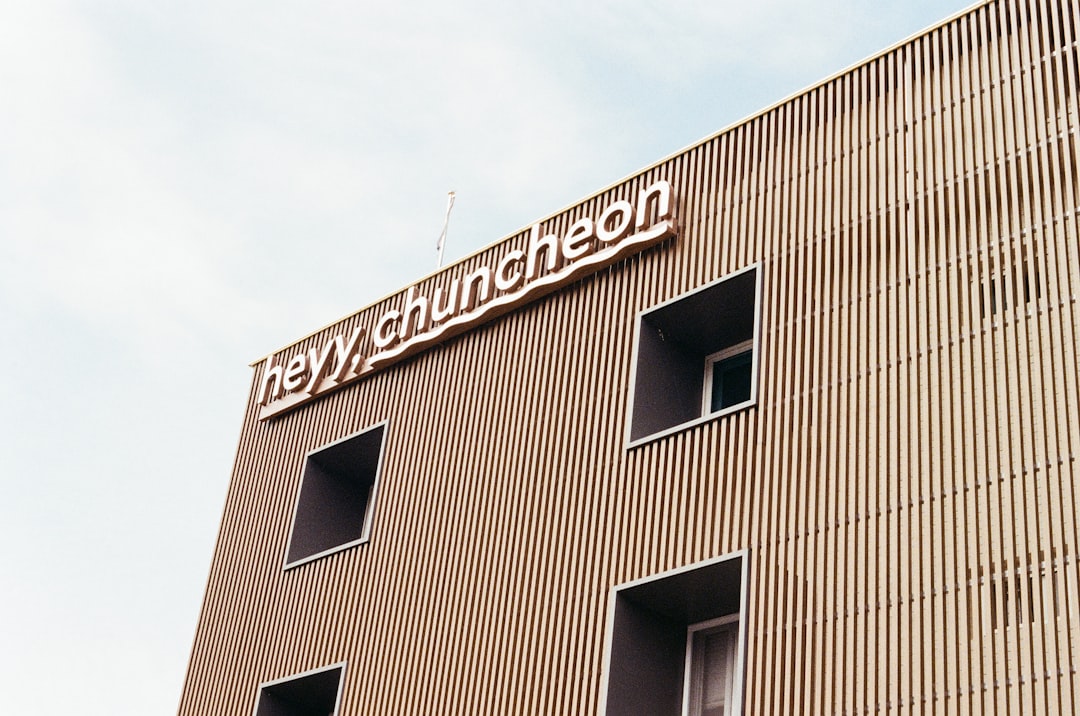
Opening
Chuncheon gets overshadowed by Seoul day trips, but if you’ve got 48 hours and actually want to see something beyond Instagram spots, it’s worth the train ride. I’ve been here maybe six times now—some trips were genuinely interesting, others felt like I was just killing time between meals. The Korean War history here is substantial and mostly undercrowded, and the food scene is legit. Just don’t expect Nami Island to blow your mind if you’ve seen any other Korean island.
Getting There
From Seoul, take the ITX-Cheongchun train at Cheongnyangni Station. It’s direct, takes about 1 hour 40 minutes, and costs 11,900 KRW one-way. The 8:42 AM departure gets you there by 10:25 AM on a weekday, which is actually useful timing. Alternatively, there’s a regular Korail train for 8,700 KRW that takes about 2 hours and stops more often—pick this if you’re not in a rush.
Most guides won’t mention this, but Chuncheon Station is a solid 15-20 minute walk from the downtown area where most restaurants and bars cluster. There are buses, sure, but honestly I just take a taxi for 4,000-5,000 KRW. The station area feels dead compared to downtown Chuncheon-si, and you’ll waste time figuring out which bus to take.
What to Do / See
Korean War Sites
This is the real reason to come here, if you’re into history. The Battle of Chuncheon in May 1951 was significant—it’s one of the few battles where South Korean forces actually held their ground against North Korean tanks early in the war. The Korean War Memorial Museum is right downtown, entry is free, and it opens at 9 AM daily except Mondays. I’d budget 90 minutes here if you read the English captions.
More interesting than the museum is Chuncheon War Museum on the north side—also free, also closed Mondays. The displays feel less polished but more personal. There are actual military equipment pieces outside, including tanks and bunkers you can walk through. When I visited in March 2024, I was literally the only person there on a Tuesday morning. That’s either a sell or a warning depending on what you want from a trip.
If you’re really committed to the history, take a taxi to Chuncheon Military Cemetery in the northeast. It’s solemn, well-maintained, and completely empty of tourists. Most people skip this entirely. Entrance is free, and there’s a small museum inside.
Nami Island
Okay, real talk: Nami Island is fine. It’s not bad, just overhyped. You’ll see the tree-lined paths everyone photographs, rent a bike for 10,000-15,000 KRW per hour, and spend 2-3 hours doing laps. The entry fee is 14,000 KRW as of 2025. It’s crowded on weekends—I’m talking 10,000+ people on a Saturday. Go on a weekday morning if you go at all. The ferry ride from downtown Chuncheon takes about 30 minutes.
Honestly, I’d skip it if you’ve been to other Korean islands or seen the Korean drama Autumn in My Heart. The novelty isn’t there after that. If you’re traveling with someone who’s never been to Korea, sure, bring them. Otherwise, spend that afternoon in the War Museum or walking around downtown.
Myeongdong Area and Riverside
Downtown Chuncheon—the area called Myeongdong locally, though that’s confusing—has the actual charm. There’s a lakeside walk along the Bukhangang River that’s pleasant without being extraordinary. The best time to walk it is late afternoon when the light hits right and fewer people are around. Free, obviously.
Dakgangjeung Street (also called “Chicken Street”) is a specific stretch in downtown with chicken restaurants packed together. It’s exactly as touristy as it sounds. Locals do eat here, but it’s designed for groups wanting to snap photos and leave.
Where to Eat / Practical Tips
Food You Should Actually Eat
Chuncheon’s signature dish is dakgangjeung—crispy fried chicken in a sweet and slightly spicy sauce. Not unique to here anymore, but the restaurants that invented it are still downtown. Expect 11,000-14,000 KRW per portion. Chicken Street has dozens of options; honestly they’re all similar in quality.
More interesting is Mae-jak (맷작), a small restaurant that does incredible soondae and braised offal dishes. It’s unglamorous, cash-only, and the owner doesn’t speak English. Main dishes run 10,000-12,000 KRW. When I ate there on a Tuesday lunch, I was surrounded by construction workers and local office staff. That’s a good sign. It’s near the Myeongdong-ro area, not super close to the main strip.
Coffee culture is strong here—there are independent cafes absolutely everywhere. Avoid the franchises. A single-origin pour-over runs 7,000-9,000 KRW. I’ve had genuinely good coffee in places I’d never find in Seoul because they’re that small and local.
For breakfast before heading to the War Museum, hit a local kimbap restaurant. Chuncheon kimbap has a specific style—rolled tighter, more egg and pickled vegetables. About 5,000-6,000 KRW. These places open early, around 6 or 7 AM, and close by 2 PM.
Practical Things to Know
Chuncheon is small enough to walk most of it, but get a Naver Map downloaded before you go. The street signs aren’t always clear, and Google Maps is weirdly unreliable here. Also, many smaller restaurants don’t take cards—check before sitting down. There are ATMs everywhere, but you’ll want cash anyway for small places.
The weather matters here. Winters are genuinely cold—colder than Seoul because of the elevation and water. Spring and fall are perfect. Summer is fine but humid. I’d avoid mid-July to early August because even locals complain about the heat and insects.
Honest Take
Go if you care about Korean War history, want a break from Seoul’s intensity, or need a place to reset for a day. Skip if you’re doing a first Korea trip with limited time—use those two days in Seoul or at the DMZ instead. If you’re coming for Nami Island alone, seriously reconsider. Best time is September through October or April and May. The one thing I wish I’d known before my first visit: don’t expect the town to feel lively or bustling. It’s quiet, genuinely quiet. Some people find that peaceful. Others find it boring. That determines whether this works for you.