Opening
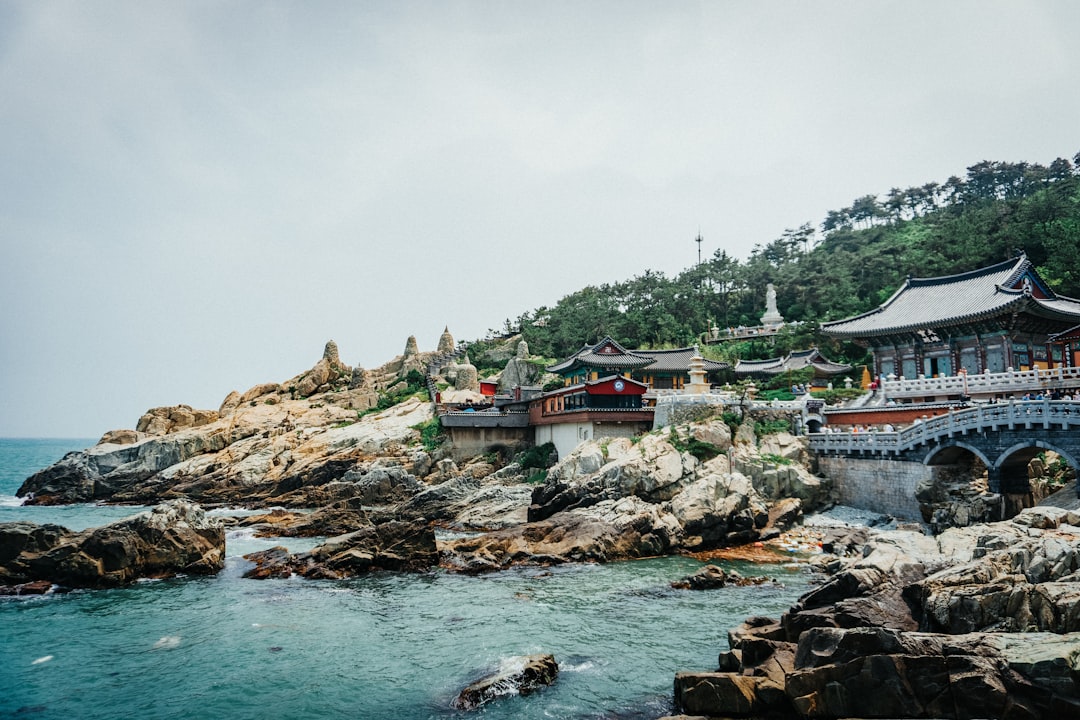
Tongyeong is absolutely worth a day trip from Busan if you like fresh seafood and don’t mind crowds. I’ve been there four times now—twice in summer, once in autumn, once in winter—and it delivers consistent good food and decent coastal views. The islands are the real draw here, though I’ll be honest: they’re not as dramatic as what you’ll find further south in Namhae or Geoje. But they’re close, accessible, and the ferry system actually works.
Getting There
From Busan, take the subway to Nopo Station (Line 2), then walk to Busan Station West Exit. Buses labeled “부산→통영” (Busan to Tongyeong) depart every 20-30 minutes from the intercity bus terminal. The express bus (고속버스) costs 13,800 KRW and takes about 1 hour 50 minutes. Some guides will tell you it’s 90 minutes—it’s not, not with the newer coaches. The local buses are slower (about 2 hours 20 minutes) and cost 11,800 KRW, so unless you’re broke, take the express.
Return buses run until around 8 PM, but I’d catch one by 7 to avoid the mess. One thing most guides miss: if you’re arriving on a weekend, book your return ticket at the station when you get there. I learned this the hard way last summer, ended up standing for 40 minutes after spending 8 hours on my feet exploring islands.
What to Do / See
Tongyeong Port and Downtown
The main port area (통영항) is walkable and filled with seafood restaurants, so that’s where you’ll spend lunch. There’s no entry fee—it’s just a working fishing port with tourist infrastructure bolted on. It gets genuinely packed between 11 AM and 1 PM on weekends, so go early or late if you hate crowds. The Admiral Yi Sun-sin statue is there too if you care about Korean history. I don’t, so I skipped it, but it’s free and takes five minutes.
Islands via Ferry
Three main islands are worth visiting: Yokji, Bijindo, and Oedo. Take the ferry from the main port terminal (통영해양관광터미널). Tickets cost between 8,000 and 15,000 KRW depending on the island and whether you’re doing a round trip or hopping between them. Ferries run every 30-60 minutes.
Yokji Island is the closest (15 minutes) and most touristy. There’s a small folk village with rebuilt traditional houses, a few cafes, and pebble beaches. Entry fee is 5,000 KRW. I went here on my second trip and honestly found it underwhelming—it felt manufactured, the “traditional” buildings are mostly restaurants now, and you’ll see fifty other tourists doing the exact same photo at the same spots. Go if you have limited time, but don’t expect magic.
Bijindo Island is better. It’s quieter, about 40 minutes by ferry, and has actual hiking trails with decent ocean views. No entrance fee. The walk around the perimeter takes roughly 2 hours and passes through pine forests and past fishing villages where locals actually live. Bring water. I visited in autumn and saw maybe thirty people all day. That said, the paths aren’t always clearly marked, so download a map or ask at the ferry office.
Oedo Island is the furthest (50 minutes) and most expensive (14,000 KRW round trip), but it has a botanical garden and a small museum. Entry to the island costs an additional 8,000 KRW. Whether it’s worth it depends on whether you like botanical gardens. I don’t, so I watched from the ferry and moved on. The island itself is scenic enough from the water.
Indangsu Beach
This is a decent swimming beach about 20 minutes from downtown by local bus or taxi (5,000-7,000 KRW). In summer it’s packed, but the water is clean and the sand is actually soft, unlike some Korean beaches. There’s a small entrance fee of 1,000 KRW for parking. It’s fine if you’re there on a hot day and want to cool off, but I wouldn’t plan a full day around it.
Where to Eat / Practical Tips
The seafood here is genuinely fresh because it’s literally caught that morning. Most restaurants around the port don’t have English menus, but there are enough pointing at what other people are eating establishments that you’ll figure it out.
Try Chungmu Gimbap (충무김밥) for lunch—it’s a Tongyeong specialty that’s basically rice, fish cake, and tuna wrapped in seaweed, served with a separate fish soup. A bowl costs 8,000-12,000 KRW and fills you up. Naejo Sikdang near the port does a solid version and the owner speaks limited English. They’re open 11 AM to 9 PM daily.
For a sit-down seafood meal, head to any restaurant on the main dock. Raw fish (회) will cost 35,000-50,000 KRW per portion, grilled fish (생선구이) about 30,000 KRW. These places are legitimately good—I had better raw fish here than at fancy restaurants in Seoul that charged triple. Most are cash or card, no problem either way.
One local tip: go to the fish market (수산시장) directly if you want the best prices. You can buy fresh squid, sea urchin, or whatever’s in season for 30-50% less than restaurant prices, then take it to a small pojangmacha (food stall) nearby who’ll cook it for 2,000-3,000 KRW. I did this once and had amazing grilled squid for total 12,000 KRW. Most tourists never find this spot.
Honest Take
Go if you want a relaxed day eating fresh seafood and walking around smaller islands without the tourist circus you’ll find at major sites. Skip it if you’re only in Korea for a week and haven’t been to the DMZ or Jeju yet—you’re better off with those. The best time is October or April when the weather is perfect and crowds are manageable. Avoid July and August unless you enjoy sweating through your shirt at a packed port. One thing I wish I’d known: the last ferries to the islands leave around 5 PM, so don’t spend too long eating lunch or you’ll barely have time on the islands. Also, the port area is genuinely worth an hour just wandering around—you don’t need to island-hop if you don’t want to. I spent my last visit mostly in town, watching fishing boats and eating seafood, and it was one of my most relaxed days in Korea.