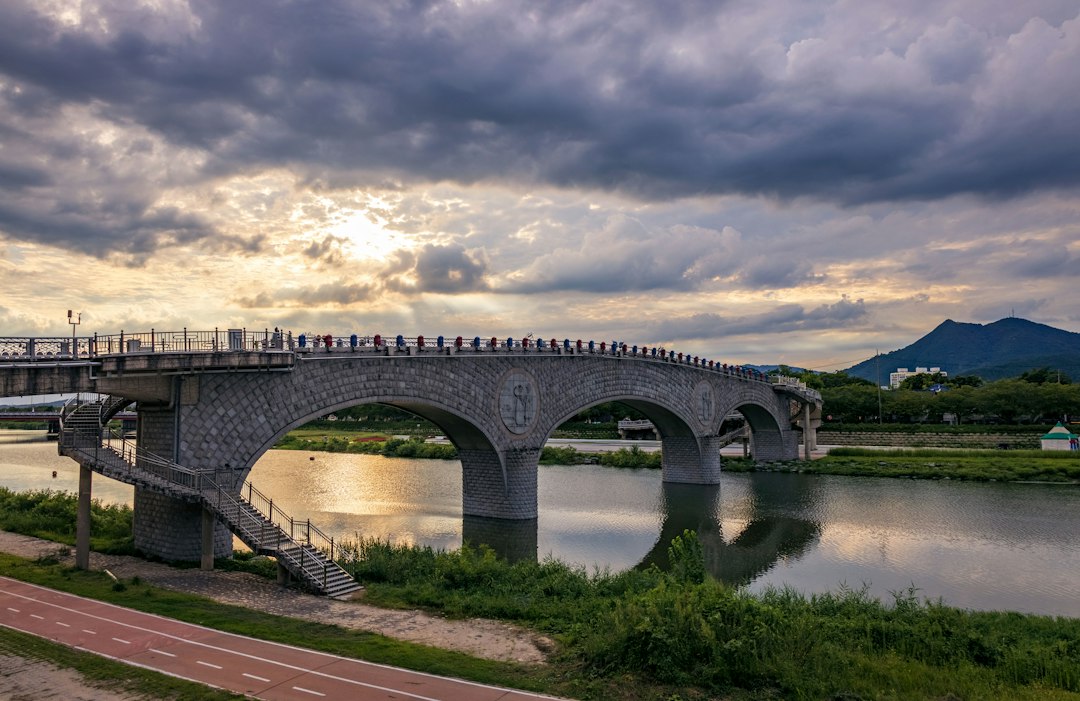
Why Namwon Actually Matters
Namwon sits about 280 kilometers south of Seoul and is genuinely Korea’s traditional music hub — not because tourism boards say so, but because the Gugak (Korean classical music) community actually lives here. I’ve been three times over four years, and each time I’m struck by how little Western tourists know about it. The main draw is Chunhyangjeong Pavilion and the surrounding area tied to the Chunhyang legend, plus access to several working temples and a local food scene that hasn’t been completely Instagram-fied yet. But I’ll be honest: it’s quiet. Some people love that. Some people find it boring after a few hours.
Getting There
From Seoul, take the KTX (high-speed train) from Seoul Station to Gwangju Station, then a local train or bus to Namwon. The KTX takes about 2 hours and costs around 59,000–69,000 KRW depending on the time. From Gwangju Station, a local bus to Namwon costs 8,900 KRW and takes about 90 minutes. Total travel time from central Seoul is roughly 4.5–5 hours door-to-door.
Alternatively, there are direct bus options from Seoul Express Bus Terminal (Gangnam). These cost 35,000–40,000 KRW and take 4–5 hours, but they’re less reliable for timing. When I visited in March 2024, the bus was 45 minutes late due to construction around Daejeon.
One thing most guides miss: the local buses in Namwon are infrequent. Don’t assume you can hop on a bus whenever you want. Get the schedule ahead of time or rent a car. I made this mistake my first visit and wasted an hour waiting.
What to Do and See
Chunhyangjeong Pavilion and the Chunhyang Legend District
This is the main attraction. Chunhyangjeong Pavilion sits on the Yosu River and is historically connected to the Korean folk tale of Chunhyang — a courtesan’s daughter who refused to betray her lover. Entry is 5,000 KRW. The pavilion itself is small and you’ll spend 30–45 minutes there. The surrounding district has been developed as a tourist area with traditional buildings, some of which house shops and cafes. Go early, before 10 a.m., if you want to avoid the Korean school groups and domestic tour buses. By noon, it gets crowded with families.
Honestly? The pavilion itself is underwhelming if you don’t know the legend. I recommend reading the Chunhyang story on Wikipedia for 10 minutes before you go. Otherwise, it’s just a historic wooden building overlooking a river. The district around it is pleasant for a walk, though several buildings feel more like tourist attractions than authentic experiences.
Gwanghallu Garden
This is worth more of your time than the pavilion. It’s a 16th-century garden with a central pond, pavilions, and walking paths. Entry is 3,000 KRW. Open 9 a.m.–6 p.m. daily. It’s usually less crowded than Chunhyangjeong, and the layout is genuinely thoughtful — the design reflects Joseon-era aesthetic principles. I spent nearly 90 minutes here on my last visit, just sitting by the water and watching the light change. It’s the kind of place where you actually feel something, rather than just checking boxes.
Jeonju Hanok Village — Day Trip Option
If you have extra time, Jeonju (about 30 minutes from Namwon by local bus, 3,500 KRW) is worth a quick visit. It has the more famous traditional village, better preserved and with way more restaurants and shops. But it’s also more touristy and crowded. I usually do Namwon as a quiet base and take a half-day trip to Jeonju if the weather’s good.
Silsangsa Temple
About 20 minutes outside Namwon city center, this working temple dates to the 8th century. Entry is free. It’s active, meaning monks actually live and practice there, which gives it a different energy than preserved “museum temples.” The walk up involves maybe 2 kilometers of forest path. I went in September 2023 and barely saw another foreigner. If you’re interested in temple stays, this place has a program, though you need to book weeks in advance. The temple tea and simple meals are genuinely good — no tourist markup.
Where to Eat and Practical Tips
Local Food
Namwon’s signature dish is jjim (steamed dishes), particularly galbi jjim (steamed beef short ribs). A restaurant called Namwon Galbi Jjim serves excellent versions for around 35,000–45,000 KRW per portion. It’s located near the train station and is frequented by locals, not tourists. The restaurant smells intense (in a good way) and the meat is tender and rich. Go for lunch, not dinner — they run out of the best cuts.
There’s also a decent dakgangjeung (braised chicken) place called Dak-Gane, near Chunhyangjeong. It costs around 12,000–15,000 KRW and is casual — plastic chairs, no English menu. Order the dakgangjeung and let them bring banchan (side dishes). The sauce has a subtle sweetness from pear or apple.
For quick eating, the traditional market near the bus station has tteokbokki, gimbap, and kimbab stands. Nothing fancy, but filling and cheap (5,000–8,000 KRW). I usually grab something here if I’m between temples or waiting for transport.
Practical Tips
Bring cash. Many smaller restaurants and temple areas don’t take cards. There’s a GS25 convenience store near the train station where you can withdraw from an ATM. Most locals speak no English, so download Papago or Google Translate on your phone. Namwon is small enough that you won’t need it constantly, but it helps.
If you’re staying overnight, book accommodation by mid-afternoon the day you arrive. There aren’t many hotels, and the decent ones fill up. I’ve stayed at a small jjimjilbang (Korean bathhouse with sleeping areas) called Namwon Spa for 40,000 KRW per night — clean, basic, and fine for one night. A mid-range hotel like Hotel Namwon runs 80,000–120,000 KRW.
Honest Take
Go to Namwon if you want quiet, are interested in Korean classical music or temple culture, or need a break from Seoul’s intensity. Skip it if you’re on a first Korea trip and want energy, nightlife, or major sights. The best time is September through November, when the weather is clear and the river areas are pleasant. Bring a book or audiobook — you’ll have downtime. One thing I wish I’d known: the traditional music performances happen only on weekends and holidays at certain venues. I showed up on a Tuesday expecting to hear a gagok (Korean vocal form) performance and found nothing. Check the Namwon tourism website or call ahead if that’s your main interest. Otherwise, it’s a solid two-day detour that teaches you something genuine about Korea beyond Seoul.