Is Jeonju Actually Worth Your Time?
Yeah, it is. But not for the reasons the Instagram crowd says. I went to Jeonju expecting some preserved Korean village frozen in time, and that’s partly what you get—but it’s also a working city where actual people live, eat, and argue about whether their bibimbap recipe is the correct one. The hanok (traditional house) district is real and beautiful, the food obsession here is genuine, and the cafes tucked into converted traditional buildings hit different. I’ve been back four times since 2019, and I keep finding new spots because the city doesn’t feel like it’s performing for tourists.
Getting There
From Seoul? Take the KTX (Korea Train eXpress) from Seoul Station. The journey is 2 hours and 10 minutes direct to Jeonju Station. A one-way ticket costs around 31,000-36,000 KRW depending on how far in advance you book and which class you choose. I always grab a standard reserved seat for 31,000 KRW. Alternatively, there’s an express bus from Seoul’s Dong Seoul Terminal (Gangbyeon Station, Line 2) that takes 3.5-4 hours and costs 22,000-25,000 KRW, but honestly, the time difference doesn’t justify the savings.
Here’s what most guides get wrong: they tell you the hanok district is walkable from the station. It’s technically true, but it’s a 20-25 minute walk uphill in the heat, and you’ll be annoyed. Just take a taxi (8,000-12,000 KRW) or the local bus 79 directly to the main hanok area. The bus costs 1,450 KRW and takes 15 minutes. Seriously, do this. Your legs will thank you when you’re exploring for 6 hours.
What to Do and See
Jeonju Hanok Village (Traditional Neighborhood)
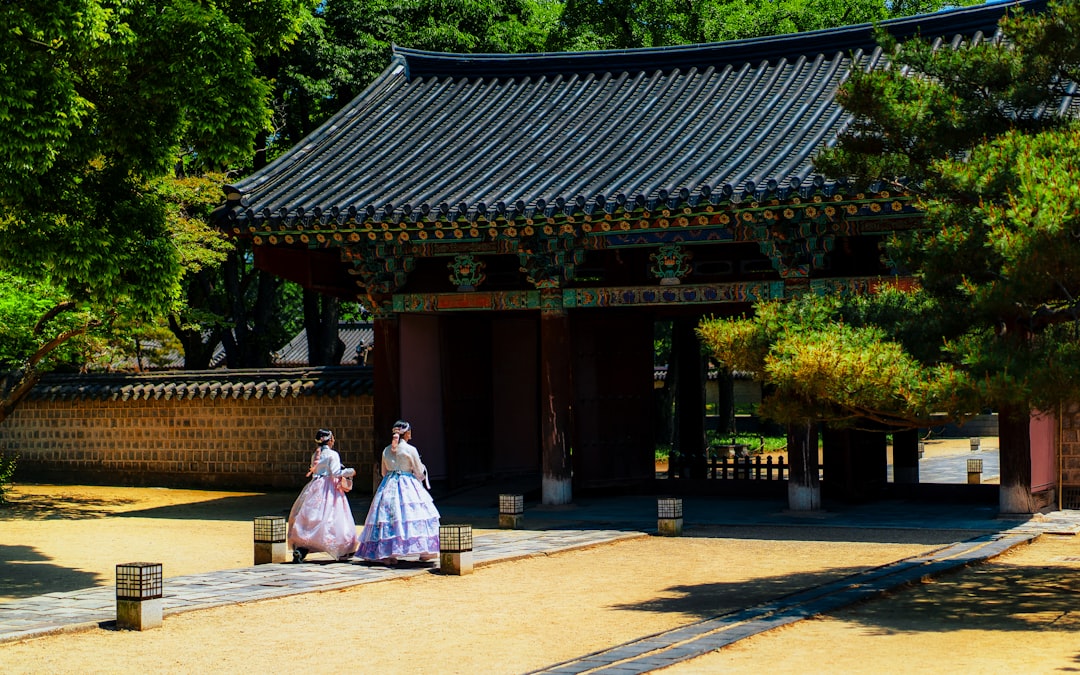
The main draw, and it lives up to it. About 800 traditional houses have been restored here, and unlike some heritage villages that feel dead, this one has actual restaurants, shops, and people moving through. Open 24/7, free to wander. The narrow lanes are genuinely photogenic—brick and wooden facades, low rooflines. Early morning (7-9am) is noticeably quieter. By 2pm, you’ll see tour groups. Crowds thin out again after 5pm.
Walk to the top where Gyeonggi Hall (경기전) sits. Entry is 5,000 KRW, open 9am-6pm (closes at 5pm November-February). I’d actually recommend skipping the paid buildings inside unless you’re really into Joseon Dynasty history. The courtyard itself is beautiful, and you can see it from outside.
Omokgil Alley
This is the cafe strip everyone knows about now, which means it gets packed. The converted hanok buildings house independent cafes—mostly decent, some overpriced. I like Cafe Mulsum (mulsum.co.kr, Instagram-famous for their designs, coffee is fine, prices around 6,000-8,000 KRW for drinks), but if I’m honest, I usually skip the main strip and find random smaller places on the side streets. The real cafe culture in Jeonju isn’t on Omokgil. Go if you want the experience of being with other tourists. Skip if you want something genuine.
Paper Culture Street (한지 거리)
Jeonju is famous for hanji (traditional Korean paper). The Paper Culture Street has museums, shops, and workshops. The Hanji Museum (한지박물관) costs 3,000 KRW and is worth 30-45 minutes if you’re into the craft. Most tourists skip this, which means it’s pleasantly empty. Open 9am-6pm, closed Mondays. You can actually make your own hanji here (around 20,000 KRW for a basic workshop, 30 minutes). I did it once. It’s meditative and kind of pointless, but the instructor was patient.
Jeonju Food Culture Street
This isn’t a place—it’s a stretch of restaurants clustered together, about 10-minute walk from the main hanok area. Here’s the thing: it’s full of tourists and locals alike. The restaurants here aren’t necessarily bad, just overpriced for what you get compared to side streets. The exception is the bibimbap places. They’re still competitive enough that quality stays up.
Where to Eat and Practical Tips
Bibimbap: Do It Right
Jeonju takes bibimbap seriously—seriously enough that there’s a specific Jeonju-style way to make it. It’s lighter than Seoul versions, less heavy sauce. Go to Deokjin Bibimbap (덕진비빔밥) in the hanok village. Around 9,000 KRW for a standard bowl, 12,000 for the “special.” It’s consistent, not touristy, and the ingredients are fresh. No English menu, but the photo on the wall shows you what you’re ordering. Lunch is busier (noon-1pm is peak). Go at 11am or 1:30pm and you’ll have space.
Non-Bibimbap Option: Jeonju Kalguksu
Kongnambul (콩남불) makes hand-cut noodle soup. 9,500 KRW. It’s in a regular building, not a tourist-focused spot, and the broth is made daily. It’s the kind of place where you point and they serve you. No frills. Everyone eats here—students, office workers, old people. This is the Jeonju I actually enjoy.
Coffee Rule
Expect to pay 5,000-8,000 KRW for a basic coffee. It’s higher than Seoul because this is a cafe destination. The good news? The quality is genuinely good at most places. Independent roasters take their work seriously here.
One Practical Thing Locals Know
Bring cash. Most small restaurants and family-run cafes in the hanok area don’t have card readers or their card systems are down. There’s a GS25 convenience store at the edge of the village with an ATM. Use it first.
Honest Take
Go if you want 2 days of walking, eating well, exploring actual Korean neighborhood life instead of a theme park version, and don’t mind some touristy overlay. Skip if you’re expecting some untouched village—it’s been discovered, and that’s fine. Best time to visit is April-May or September-October (spring and fall). The humidity in July-August is brutal, and winter is cold but beautiful if you don’t mind it. One thing I wish I’d known: the city is much bigger and more normal outside the hanok district. Don’t feel obligated to spend both days there. Go to Jeonju’s downtown, eat at random restaurants, see what a real mid-sized Korean city feels like. That’s the best part.