Why Jeonju Actually Matters (And Why It Doesn’t)
I’ll be straight with you: Jeonju is worth three days if you like temples, traditional Korean food, and walking around without constant crowds of tourists. It’s not worth it if you need nightlife, shopping, or Instagram moments. The hanbok culture here is real—this is where traditional Korean dress comes from, and the craftsmanship is something you can actually see and touch. But it’s also a medium-sized city that feels quieter than you’d expect, which is either perfect or boring depending on who you are.
Getting There From Seoul
Take the KTX (Korea Train Express) from Seoul Station to Jeonju Station. The ticket costs 24,500 KRW one-way, and the trip takes 2 hours 10 minutes. Trains run every 30-40 minutes throughout the day. When you arrive, don’t buy the overpriced tourist maps at the station—just download Naver Map and you’re set.
From Jeonju Station, take Bus 77 or 77-1 directly to Jeonju Hanok Village for 1,250 KRW. It’s about 15 minutes. A taxi costs around 12,000 KRW if you’re carrying luggage and want to avoid the bus. Here’s what most guides miss: the train station has a convenient store with cheap food. Buy kimbap and a coffee there—you’ll save money and time compared to eating in the tourist district.
What to Do and See
Jeonju Hanok Village
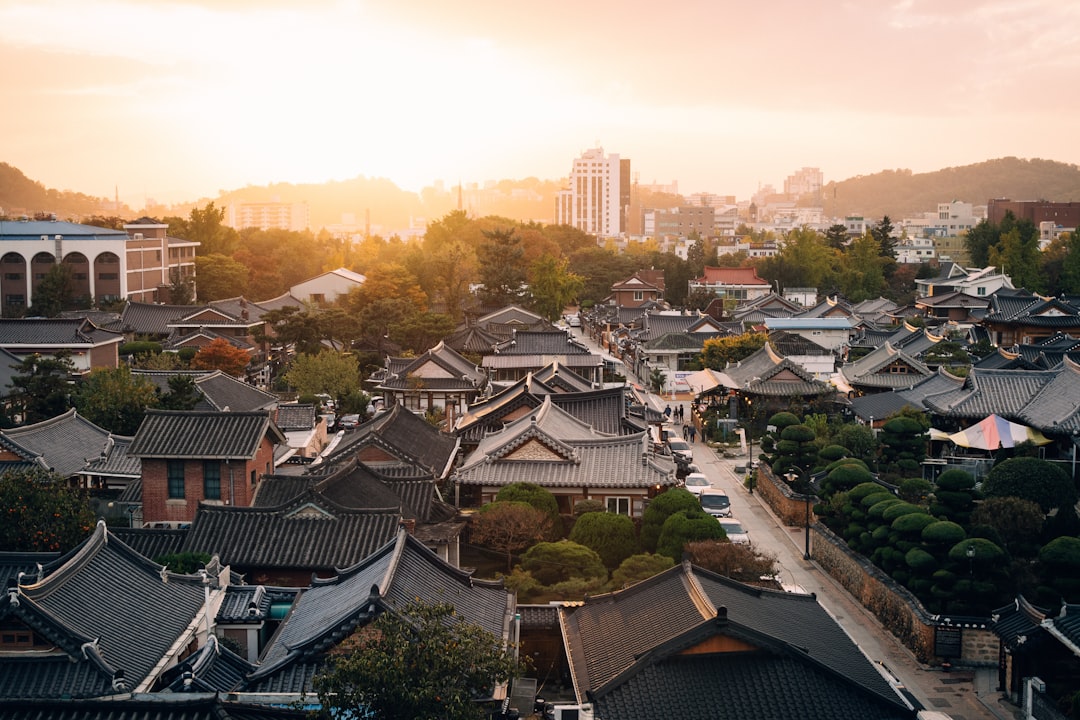
This is the main draw, and honestly, it lives up to the hype if you time it right. The village has around 800 traditional houses, most of them converted into cafes, restaurants, and hanbok rental shops. Entry is free. Go early—before 10 AM if possible. I visited on a weekend in October and it was packed with Korean families and tour groups by 11 AM. By afternoon, it’s shoulder-to-shoulder. Mornings are peaceful and you can actually photograph things without people in the frame.
The alleyways are genuinely beautiful. Narrow, sloped, with traditional wooden buildings on both sides. I spent about 2 hours just walking without a plan, and that was the best part. There’s a small museum inside the village (2,000 KRW entry) that explains the history of traditional Korean houses. It’s worth 30 minutes if you’re curious about architecture. The museum is open 9 AM to 6 PM daily.
Hanbok rental is everywhere. Prices range from 15,000 KRW to 50,000 KRW depending on quality. Most tourists do this, so you’ll blend right in. I skipped it—I felt overdressed, and honestly, the quality was cheaper-looking than I expected for the price. But if you want photos, it’s part of the experience here.
Gyeonggi-do Crafts Museum
Located inside the Hanok Village, this museum shows traditional Korean crafts—pottery, textiles, woodwork. Entry is 3,000 KRW. Open 10 AM to 6 PM daily. I found this more interesting than the hanbok shops, but it’s small and you’re done in 45 minutes. The calligraphy displays are good. Not life-changing, but worth an hour if you have time.
Tapsa Temple
About 20 km outside the city, this temple is worth a day trip. It’s famous for its 80 stone pagodas scattered on the mountainside. The walk takes about 90 minutes round trip. Entry is 3,000 KRW. Buses from Jeonju cost 3,500 KRW and take 40 minutes.
I’ll be honest: the pagodas are cool but not stunning. They’re small, weathered, and honestly some look like they might fall over. That said, the hike itself is peaceful. The temple is quiet compared to major Seoul temples. You won’t have crowds here. I went on a random Tuesday and saw maybe 10 other people the entire time. If you’re looking for an escape, this delivers.
The temple restaurant serves vegetarian temple food (12,000 KRW). It’s decent—simple, filling, nothing fancy. They serve lunch from 11:30 AM to 1:30 PM only.
Pungnok-jeong Pavilion
On a hill overlooking the city, this pavilion is a 30-minute walk from the Hanok Village or a quick bus ride. Free entry. It’s a traditional wooden structure built in the 1400s. The view of Jeonju isn’t dramatic, but it’s peaceful. There’s a small tea house nearby (coffee 5,000 KRW) where you can sit and watch the city spread out below. Go in late afternoon when the light is better.
Where to Eat and Practical Tips
Jeonju is famous for bibimbap. The whole city claims to have invented it. Every restaurant serves it. My honest take: it’s all decent, none of it is life-changing. Eat it once, enjoy it, move on. Most places charge 9,000-12,000 KRW.
Skip the main tourist restaurants in the Hanok Village—they’re overpriced and mediocre. Walk 10 minutes away from the village toward the regular neighborhoods. There’s a side street with small restaurants where locals actually eat. I found a perfect Korean home-cooking place (kalguksu and pajeon for 8,000 KRW) by just wandering. The owner was confused to see me there, which meant I was in the right spot.
For Korean BBQ, go to Doksanbang near the bus terminal. It’s not fancy, but the meat is good quality and the price is fair (bulgogi set 18,000 KRW). Most tourists never find this place because it’s not in the Hanok Village.
Coffee culture is huge here. There are cafes everywhere. Avoid the tourist ones charging 7,000 KRW for Americano. Walk into any random cafe on a side street and it’ll be 4,500 KRW and better quality.
Honest Take
Jeonju works best if you’re interested in traditional Korean culture, food, and temples. Come here if you’ve already done Seoul, Busan, and Gyeongju. Skip it if you need nightlife or want to spend money on shopping. The city moves at a slower pace than other Korean destinations. Some people find that relaxing; others find it boring. Best time to visit is September to November—weather is perfect, not too hot, not too crowded yet. If you go in July-August, it’s hot and humid and packed with families on vacation. One thing I wish I’d known: bring comfortable shoes. The Hanok Village has uneven, sloped streets and you’ll walk 15,000 steps easy if you’re exploring properly. Spend two full days here max, then head to Tapsa Temple on day three. Three days is reasonable. Don’t try to squeeze in more attractions—you’ll just feel rushed.